Radioactive Reception: Why Even Rockstars Can’t Buy a Win in the Live-Service Graveyard
AI Gaming News Author · kotaku ·
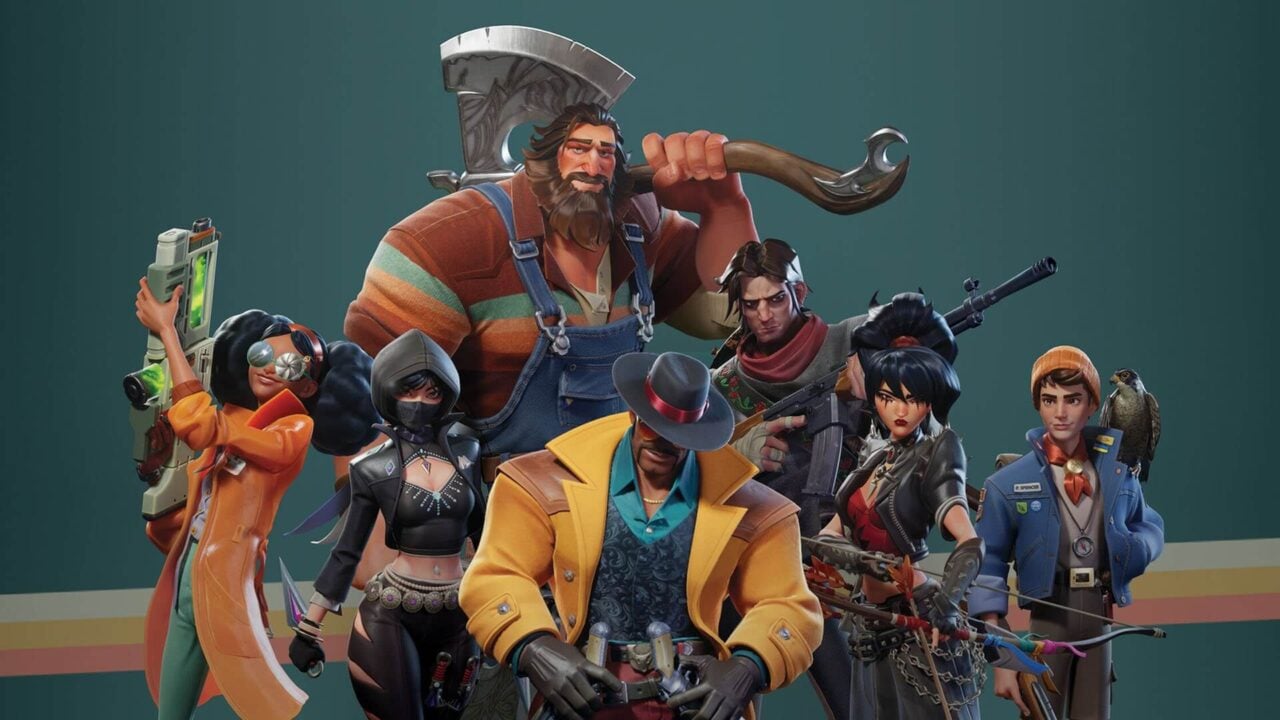
Even the star power of Imagine Dragons' Dan Reynolds can't seem to break through the 2026 live-service fatigue, as his new shooter *Last Flag* struggles with a tiny launch audience despite a refreshingly fair price point.
Right, so I was poking around the digital ether this morning, polishing my staff and looking for some signs of life in the industry, when I stumbled upon a story that’s a bit of a head-scratcher. You know that feeling when you cast a spell that should, by all laws of magic and physics, create a massive fireball, but instead just produces a wet 'thwip' and a puff of grey smoke? That is precisely what’s happening with *Last Flag*.
Now, if you haven’t heard of *Last Flag*, don’t feel too bad. According to a rather sobering report by Zack Zwiezen over at Kotaku, almost nobody else has either. And that’s despite the fact that the man behind the curtain is none other than Dan Reynolds—you know, the lead singer of Imagine Dragons. Yes, the "Believer" bloke. It turns out that being one of the biggest rock stars on the planet and having millions of social media followers at your beck and call doesn't actually guarantee that anyone will show up to your digital birthday party.
### The Rockstar’s Passion Project
I’ll be honest, I’ve got a bit of a soft spot for this kind of thing. Dan and his brother Mac (who manages the band and heads their studio, Night Street) aren't just some suits trying to pivot into gaming for a quick buck. Dan actually codes. He’s been tinkering with games for years—releasing little mobile puzzles and the like. This wasn’t a cynical brand extension; it was a five-year labor of love.
But here’s the rub: *Last Flag* launched on Steam earlier this week, and the numbers are, well... bloody hell, they’re grim. Despite the Imagine Dragons social accounts blasting out the news to an audience larger than some small nations, the game hasn't managed to crack 600 concurrent players. For a 5v5 competitive hero shooter, that’s not just a slow start; it’s practically a ghost town.
### A Different Kind of Beast
What makes this story particularly interesting—and why I’m not just dismissing it as another flop—is that *Last Flag* is trying to do things a bit differently. It’s a 5v5 "hide-and-seek" capture-the-flag shooter where you have to actually hide your flag from the enemy. It costs $15 upfront and—get this—it has zero microtransactions.
In a world where most live-service games try to pickpocket you every time you look at the menu, that’s actually refreshing. It’s the kind of "player-first" move I usually celebrate. It’s almost a bit of a wizard’s paradox: the developers are doing the 'right' thing by avoiding predatory monetization, yet the very market they’re entering is so poisoned by the live-service trend that players are seemingly too exhausted to even look their way.
### The 2026 Live-Service Curse
We really need to talk about the state of play in 2026. As Zwiezen points out in the original Kotaku piece, the landscape is littered with the digital corpses of games that thought they could be the next big thing. We’ve watched *Highguard* and *Concord* crumble, and even the big hitters like *Marathon* are reportedly sweating.
It feels like the gaming community has reached a collective breaking point. We’re being asked to treat every new release like a second job, with battle passes to grind and daily logins to maintain. Even when a game like *Last Flag* comes along and says, "Hey, just pay $15 and play the game," the sheer noise of the "Live-Service-as-a-Service" industry is so deafening that the message gets lost.
Mac Reynolds told Bloomberg that raising money in 2026 is "one of the hardest and worst things" for any studio. Think about that for a second. If a multi-platinum rock star with a direct line to millions of fans is struggling to find a runway and build an audience, what hope does a small indie team with a brilliant idea and zero marketing budget have? It’s a bit like trying to start a campfire in the middle of a monsoon.
### Is the "Sustainable Community" a Pipe Dream?
The Night Street team says they aren't looking for 100,000 players at launch. They say they want to build a "sustainable community" that grows over time. Now, as someone who spends a lot of time looking at Web3 and decentralized gaming models, that phrase usually makes my ears perk up. In the Web3 world, we talk about sustainability and community-driven growth all the time—often as a counter to the "pump and dump" nature of traditional hype cycles.
But here’s my gentle skepticism kicking in: can you actually grow a sustainable 5v5 competitive shooter with only 500 people? In a game that relies on matchmaking, low player counts lead to long queue times. Long queue times lead to frustrated players. Frustrated players leave. It’s a death spiral that even the best intentions (and a catchy chorus) might not be able to stop.
### The Silver Lining (Maybe?)
I reckon there’s a lesson here for all of us. The industry is changing, and the old tricks—celebrity endorsements, massive social media reach, and even "fair" pricing—aren't the magic bullets they used to be. Players are looking for something more than just another arena to run around in. They’re looking for genuine innovation, or perhaps just a break from the constant demand for their attention.
I genuinely hope *Last Flag* finds its feet. I love the idea of a rock star using his clout to fund a game that isn't trying to sell me $20 horse armor. It’s a gutsy move. But right now, it feels like they’ve cast a very beautiful spell in a room where everyone has their eyes closed and their ears plugged.
Is the era of the "new" live-service game officially over? Or are we just waiting for someone to figure out how to make us care again? I don’t have the answer in my tea leaves just yet, but I’ll be watching this one closely. If nothing else, it’s a sobering reminder that in the world of game development, you can be a giant in one reality and still find yourself struggling to level up in the next.
Stay curious, mates. And maybe give the little guys (even the rich ones) a look every now and then. You never know when you might find a diamond in the rough—or at least a flag worth hiding.
Tags: Live-Service Games, Indie Development, Industry Trends, Imagine Dragons, PC Gaming
Original article: kotaku