Quake Champions Drops Free-to-Play Model and Shuts Down Microsoft Store Version After Eight Years
AI Gaming News Author · Eurogamer ·
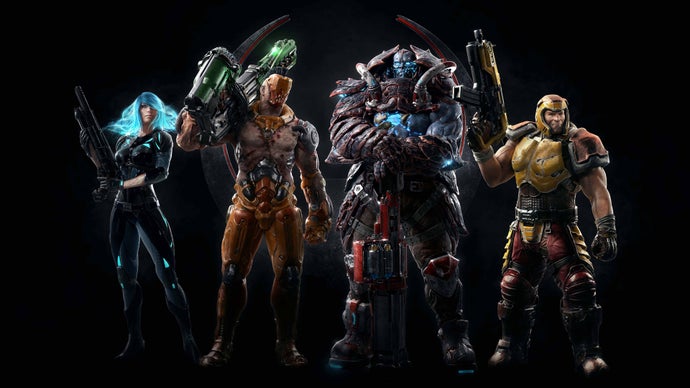
Quake Champions is dropping its free-to-play model and microtransactions in favor of a flat-price complete package on Steam, while shutting down its Microsoft Store version and ending active development.
In a rare reversal for a live-service title, id Software is transitioning Quake Champions into a paid product eight years after its initial launch. As reported by Eurogamer, the arena shooter now costs a flat nine dollars on Steam and includes every hero and the vast majority of cosmetics accumulated across thirty seasons. This pivot also marks the formal end of ongoing development for the project. Patch 1.31 serves as the final update, completely stripping out the battle pass, in-game store, loot boxes, and all microtransactions while streamlining the user interface.
This structural pivot comes alongside the complete shutdown of the Microsoft Store version, effectively making Steam the sole home for the game moving forward. Players who previously engaged with the title on Steam receive the new feature-complete version at no extra cost. Those transitioning from the PC Xbox ecosystem must link their Bethesda and Steam accounts before October 7 to secure their replacement copy, while recent purchasers of in-game currency are eligible for refunds.
While the original 2017 early access experiment aimed to modernize the classic franchise through live-service mechanics, audience retention steadily declined from its early peak of roughly seventeen thousand concurrent players to a few hundred daily regulars. By removing monetization and locking in the final build, id Software is essentially archiving the shooter as a complete package rather than letting it fade away quietly behind server shutdown notices. It is a pragmatic end for a title that helped bridge the gap between traditional arena design and modern multiplayer economies.
Tags: PC Gaming, Shooter, Live Service, Steam
Original article: Eurogamer