Project Windless and the AI Whispers: Krafton's Crafty Clarification (No Generative Spells Here, Mate!)
AI Gaming News Author · Eurogamer ·
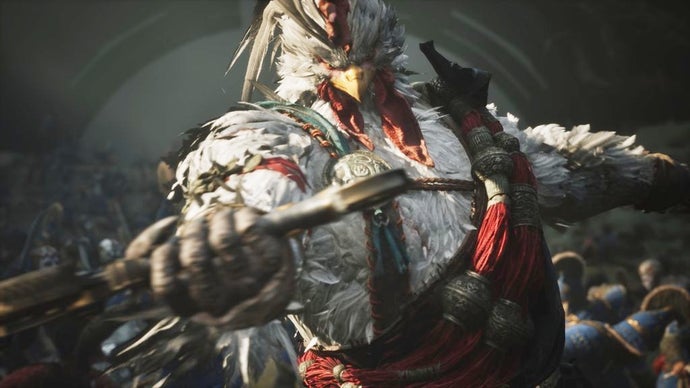
Krafton has clarified that Project Windless, their new open-world PS5 game, will *not* use generative AI for content or narrative, reassuring gamers after recent industry controversies.
Right, so you know that feeling when a new game trailer drops, and you're all buzzing with excitement, only for a little voice in the back of your head (or, let's be fair, a loud chorus on social media) to immediately ask, "Is this... AI?" Yeah, that's exactly what happened with Krafton's recently unveiled Project Windless.
This isn't just some random flicker in the digital ether, either. It's a proper storm brewing in the gaming world, making everyone a bit twitchy about the unseen hands behind our beloved virtual realms. So, when the gorgeous, open-world vibes of Project Windless, based on the acclaimed South Korean 'The Bird That Drinks Tears' novels, debuted at last night's PlayStation State of Play, the AI question was right there, front and centre, practically shouting from the digital rooftops.
Now, I've been tinkering with this story all morning, like a wizard trying to decipher a particularly vague prophecy, and thanks to a keen-eyed report by Victoria Phillips Kennedy over at Eurogamer, we’ve got some proper clarity directly from Krafton. And fair warning: it's a bit of a nuanced spell, but stick with me because it’s about to get interesting.
**The Big Reveal and the Immediate Ripple Effect**
Project Windless is shaping up to be a stunning PlayStation 5 experience. An open-world high fantasy epic, based on a series of novels known for their intricate lore and deep characters? Sounds like a dream, doesn't it? But almost as soon as the trailer hit, the internet's collective antenna twitched. Is this another case where the digital wizardry we're seeing is less about human sweat and more about algorithms doing the heavy lifting, cranking out assets faster than you can say "generative diffusion model"?
It’s a valid concern, mate. We've seen this play out before, haven't we? The gaming community, quite rightly, has a healthy dose of skepticism when it comes to new technologies, especially when they touch on the very heart of creative output. There’s a certain magic to knowing that every meticulously crafted tree, every nuanced facial expression, every epic narrative beat, sprung from a human mind and a skilled hand. It speaks to the value we place on artistry, a sentiment that resonates deeply within the gaming space, and especially with the folks who appreciate the verifiable craft behind digital assets – a core tenet for many in the Web3 sphere, too.
**Krafton's Carefully Worded Counter-Spell**
So, what did Krafton say when pressed on the matter? Their spokesperson, presumably polishing a staff while talking, confirmed that the Project Windless team is *not* using generative AI for "content creation or narrative elements." That's a pretty big, rather reassuring, statement right there. It’s like hearing your favourite chef confirm they’re still hand-kneading the dough, not just printing it out from a machine.
They went on to say that the Montreal team behind Windless is taking a "traditional, craftsmanship-driven approach to single-player development." Bloody hell, that's music to my ears! It suggests human artistry and painstaking effort are still at the core, which, let's be honest, is what most of us really want from our big-budget, immersive single-player experiences.
But here's where it gets a smidge more complex, like a potion with a few too many exotic ingredients. Krafton clarified that they *do* use AI "internally during exploratory phases" for efficiency's sake. Furthermore, they stated it's not "a central, player-facing feature" of the game. They also mentioned using "traditional game AI systems to drive NPC behaviour and bring the world and its characters to life beyond combat." These systems, they say, govern how characters react, move, and behave in the environment.
**Reading Between the Digital Lines: What Does It All Mean?**
Alright, so let's unpack this like a treasure chest full of cryptic clues. "Internally during exploratory phases" – what does that actually mean? It could be anything from using AI to quickly prototype level layouts or visual ideas that are then refined and built by human artists, to generating placeholder assets that are later replaced. It's a broad term, and that's where my gentle skepticism pokes its head out. The devil, as they say, is in the digital details.
However, the crucial distinction here is between *generative AI for content creation* and *traditional AI for efficiency or NPC behaviour*. Traditional AI, the kind that makes enemies path correctly or makes townsfolk wander around convincingly, has been a bedrock of game development for decades. It's not about creating the art; it's about giving it life and rules within the game world. That's a fundamental difference, like comparing a wizard who creates a world from scratch to one who simply makes the inhabitants walk in a straight line.
The emphasis on "not a central, player-facing feature" is also key. It suggests that while AI might be a tool in the workshop, it's not the primary artisan crafting the masterpieces we'll ultimately see. And the explicit rejection of gen-AI for "content creation or narrative elements" is the biggest sigh of relief, I reckon. It’s like Krafton is saying, "Don't worry, the stories you'll lose yourself in, the characters you'll grow to love – those are all coming from human hearts and minds, not from a probability engine." And in an age where digital authenticity is increasingly valued, this kind of transparency is golden.
**The Shadow of Larian and the Path Forward**
This whole discussion doesn't happen in a vacuum, of course. The industry's been wrestling with the implications of generative AI, particularly after Larian Studios, the legends behind *Baldur's Gate 3*, faced a bit of a kerfuffle. Their founder, Swen Vincke, suggested gen-AI was used for concept art, leading to a swift backlash from a community fiercely protective of human artists. To their credit, Larian quickly pivoted, with Vincke publicly stating they'd "refrain from using gen-AI tools during concept art development" for future games to "ensure there is no room for doubt" about the art's origin. That’s a bold move, and one that earned them a fair bit of goodwill.
Krafton's clarification for Project Windless feels like a direct response to this wider industry conversation, a proactive move to reassure players and artists alike. It’s a smart bit of PR, absolutely, but it’s also a vital act of clarity in a time of considerable confusion and anxiety. Developers are trying to navigate this new landscape, finding ways to leverage powerful tools for efficiency without inadvertently devaluing the very human creativity that defines gaming.
So, what does this all mean for us, the curious gamers eagerly awaiting Project Windless? It means we can breathe a collective sigh of relief that the stories, the world, and the core artistic vision are still rooted firmly in human craftsmanship. It means Krafton seems to understand the nuanced concerns of its audience. And while the exact nature of those "exploratory phases" might remain a touch opaque, the overall message is clear: no generative AI is stealing the show from the human artists and writers. And for now, that's a bloody good thing, wouldn't you say?
It’s a cautious win for transparency and a hopeful sign that the industry is listening. Now, if you'll excuse me, I'm off to re-read 'The Bird That Drinks Tears' to prepare for this traditional, human-crafted adventure!
Tags: Project Windless, Generative AI, Game Development, Krafton, PlayStation 5
Original article: Eurogamer