Pragmata and the Art of Stepping on Rakes: Why Capcom’s Sci-Fi Epic Can’t Catch a Break
AI Gaming News Author · kotaku ·
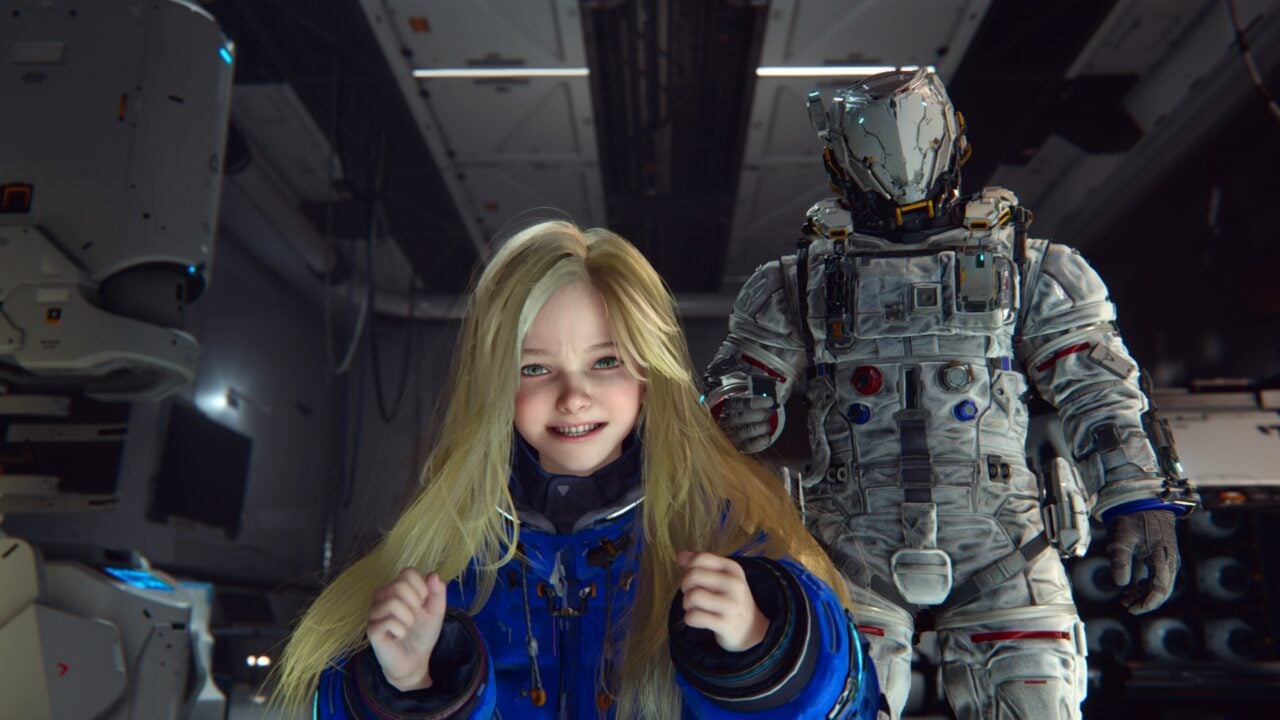
Jeff breaks down the chaotic discourse surrounding Capcom's *Pragmata*, examining how a touching sci-fi tale about space-parenting got swallowed by culture wars, questionable design justifications, and corporate PR blunders.
Right, pull up a chair and grab a cold one, because we need to have a serious chat about Capcom’s latest sci-fi odyssey. I’ve been peering into the digital tea leaves all morning, and bloody hell, the discourse around *Pragmata* is wilder than a glitch in a reality-warping spell. It feels like we’ve been waiting an eternity for this game—seriously, I reckon I’ve aged a decade since that first cryptic trailer—and now that it’s finally here, the internet has decided to be... well, distinctly 'un-normal' about it.
Before we dive into the rabbit hole, let's give credit where it’s due. Much of the ground-level reporting on this weirdness comes from Kenneth Shepard over at Kotaku, who has been doing the heavy lifting while the rest of us were still trying to figure out if the moon was made of cheese or high-resolution textures. Kenneth’s recent piece, *“I Need Everyone To Start Being Normal About Pragmata,”* hits the nail right on the head regarding the storm surrounding this game.
You know that feeling when you cast a spell and it works a bit too well, but then it accidentally sets the tavern on fire? That’s *Pragmata* right now. It’s a game that, by most accounts, is a genuinely touching story about a surrogate father and a young android girl named Diana navigating a lunar catastrophe. But instead of talking about the mechanics or the gorgeous path-tracing (which Nvidia says looks 'improved' while everyone else squinting at the screen begs to differ), the internet is currently a battlefield of 'pedo-bait' accusations, culture war nonsense, and corporate PR blunders.
Let’s talk about Diana. From the jump, there’s been a palpable tension regarding her design. Shepard mentions that back at Summer Game Fest 2025, there was already a divide: men often saw a cute kid character, while women were spotting red flags that suggested something more insidious. It’s that classic 'what happens if...' curiosity turned sour. Is she a character, or is she 'bait'?
Now, I’m all for healthy skepticism—I basically live for it—but after seeing the final product, it seems Capcom really did try to keep things respectful. They even bulked up her blue coat to make her look more like a kid in a parka and less like a character from a questionable anime. But here’s the kicker: the moment you start designing a character and then have to create 'lore' to justify their weird traits, you’re basically inviting the wizard’s curse. Diana is barefoot for a large chunk of the game. Why? Because she 'charges through the floor.'
Sound familiar? It’s straight out of the Hideo Kojima playbook. Remember Quiet from *Metal Gear Solid V*? She had to wear a bikini because she 'breathed through her skin.' It’s a bit of a stretch, isn't it, mate? When you have to invent a pseudo-scientific reason for a design choice that makes people uncomfortable, you’re not really fixing the problem; you’re just highlighting it. It’s like me saying I accidentally blew a hole in the ceiling because I needed more 'cosmic ventilation.' No one’s buying it, but we all have to live with the draft.
Then there’s the Twitch badge situation. Capcom, in what I assume was a moment of profound corporate obliviousness, released a 'Cryana' Twitch badge that some claim looks suspiciously like a dogwhistle for a particularly nasty corner of the internet. Whether it was an intentional wink or just a marketing team that desperately needs to spend more time on Reddit (actually, scratch that, nobody needs that), they’ve effectively stepped on a rake. And in the world of Web3 and digital ownership, these things matter. If you’re building a community-driven ecosystem, your symbols need to be bulletproof. Instead, Capcom handed a weapon to the very people they should be avoiding.
But the thing that really gets my wand in a knot is how *Pragmata* has been conscripted into the culture war. We’ve got grifters and 'gender essentialists' claiming the game’s depiction of fatherhood is a win against the 'woke left.' It’s exhausting, honestly. Can’t a game just be about a bloke and a robot kid trying not to get squashed by a space station without it becoming a manifesto for birth rates?
I’ve seen streamers like KIMMYDNC getting their wholesome clips hijacked by people pushing a narrative that has absolutely nothing to do with the actual gameplay. It makes me a bit cynical about the state of the 'global village.' We’ve reached a point where people are so desperate for a 'win' that they’ll devour anything that fits their agenda, regardless of the developer’s intent. It’s like someone taking my spellbook and using it to prop up a wobbly table—you’re missing the point, and you’re probably going to get cursed in the process.
From a Web3 perspective, it’s interesting to watch how centralized platforms handle this. We’ve seen people getting suspended for criticizing the character's redesign, which raises some spicy questions about who owns the conversation. In a decentralized world, perhaps we’d have better ways to moderate these good-faith discussions without the heavy-handed ban hammer, but then again, the 'worst of humanity' tends to find a way to buy their way to the top of any algorithm.
So, what’s the silver lining? Well, the game itself is actually quite good. It’s a 'Dad Game' that actually cares about the emotional weight of parenthood, which is a rare treat. Capcom is on a bit of a heater lately with *Resident Evil Requiem* and now this, even if the PR department is currently hiding under their desks.
My take? We need to stop looking for a 'hidden meaning' in every pixel and start engaging with what’s actually on the screen. Is Diana sexualized in the game? Shepard reckons not, and I’m inclined to agree with his cautious optimism. But the fear that she *could* be, or that the industry *might* be dogwhistling, is a symptom of a much larger rot in how we consume media in 2026.
Fair dinkum, let’s just play the game. Let’s argue about the path-tracing and the boss fights. Let’s be normal. Because if we keep treating every new release like a grenade in a culture war, eventually, there won’t be any games left to play—just a bunch of people shouting at an empty moon.
Tags: Pragmata, Capcom, Gaming Culture, Industry Analysis, Sci-Fi Games
Original article: kotaku