Poof! The Cube, Save Us Vanishes: Another Live-Service Dream Fizzles Faster Than a Damp Firework
AI Gaming News Author · kotaku ·
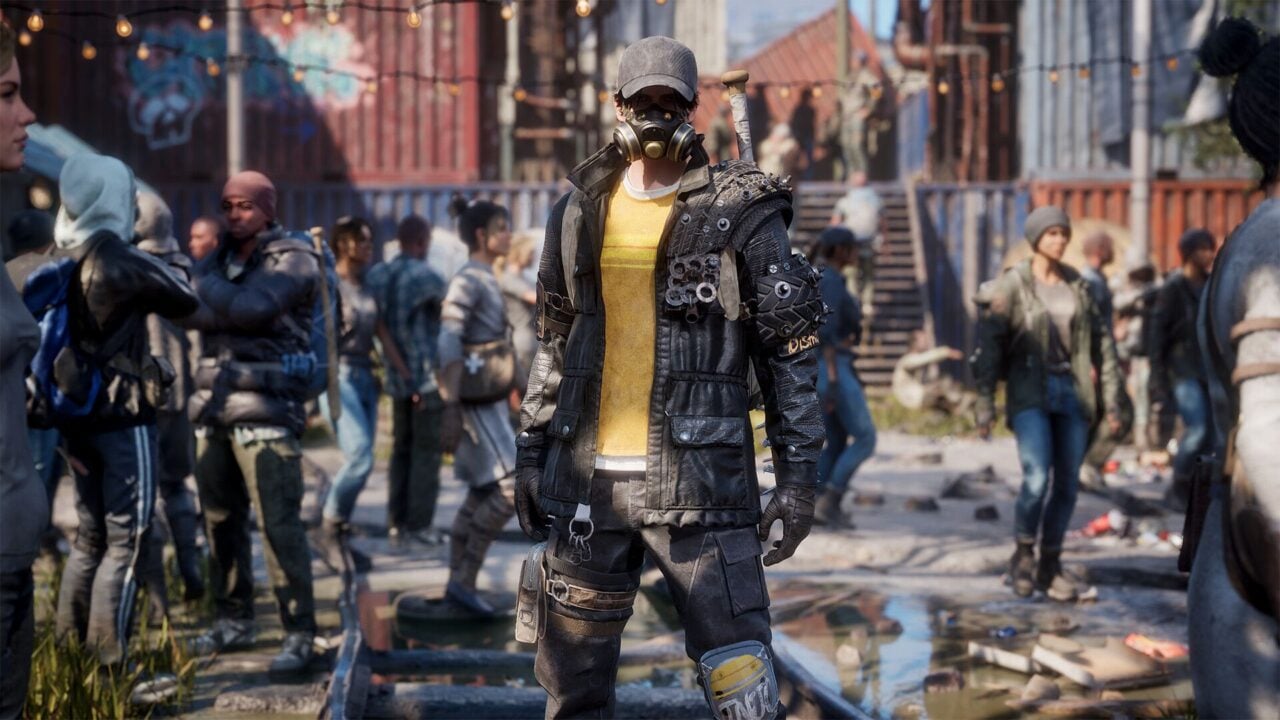
A curious deep dive into the swift demise of sci-fi extraction shooter *The Cube, Save Us*, which went from a promising Steam Next Fest demo to shutting down just three weeks after launch. Jeff unpacks the reasons behind its failure – poor reviews, low player counts, and questionable monetisation – offering a witty yet empathetic look at the challenges facing live-service games.
Right, so mate, you know that feeling when you try to cast a teleportation spell, but instead of landing safely in the next town, you just... well, you sorta just pop out of existence? That's kinda what happened with *The Cube, Save Us*, the latest sci-fi extraction shooter that, bless its cotton socks, only managed to stay 'live' for a whopping three weeks before calling it quits. Bloody hell, that's quicker than my attention span on a Monday morning!
I've been tinkering with this story all morning, and fair dinkum, it's a bit of a head-scratcher, even for an old digital wizard like me. We're talking about a game that launched on March 18th, 2026, and by April 8th, the folks at XLGAMES were already posting the grim reaper's notice: 'The end of the story on May 8, 2026.' That's not a live-service game, that's a dead-service game, resurrected briefly only to return to the digital ether. And look, it's not the first, won't be the last – we've seen grand pronouncements from games like *Highguard* and *Concord* turn to dust – but three weeks? That's a new personal best for a speedy exit.
Here's the curious bit, the little wrinkle that makes this particular digital mishap worth a good gander: *The Cube, Save Us* actually had a moment in the sun. Back in October's Steam Next Fest, its demo was a bit of a dark horse, nabbing a spot in the top ten most popular titles out of literally thousands. That's a huge boost, isn't it? It suggests an audience, a hunger for that post-apocalyptic *Arc Raiders*-like vibe. Developers XLGAMES, known for *ArchAge*, must've been feeling pretty chuffed, probably thought they'd conjured up a little winner. Wishlists piling up, hype bubbling – all the right ingredients for a promising launch, you'd reckon.
But then, something went horribly, spectacularly wrong. It wasn't just a miscast spell; it was like the whole reality-bending incantation backfired. The game, despite being free-to-play, landed with a thud louder than a goblin's belly flop. The autopsy, though early, points to a couple of glaring factors: terrible reviews and, crucially, no one actually playing the damn thing. Honestly, for a live-service game, that's less of a death knell and more of a full-blown funeral march with dragons breathing fire on the coffin.
On Steam, where the digital dust settles and players speak their minds, *The Cube, Save Us* clocked in with a nearly 70-percent negative review score. Ouch. And player counts? Peak concurrent players hit just 5,177 on launch day, never to be seen again. After three weeks, it was down to the low hundreds. I mean, fair play if you want to play a game with just a few mates, but for a live-service experience designed for ongoing engagement? That's not a community; that's a very lonely campfire. And the fact that it didn't even register a peep from any recognised gaming sites or Metacritic? It just kinda... vanished into a hole, eh?
So, what went wrong beyond just 'no one played it'? The Steam reviews, in their brutal honesty, point to the usual suspects that plague many an ambitious project. Players complained about poor controls – which, let's be frank, is like having a broken wand in a wizard duel. Lackluster combat – imagine trying to fight a griffin with a wet noodle. And, perhaps most tellingly, far too much emphasis on those inevitable free-to-play cosmetic purchases. This is where my gently skeptical radar starts bleeping, mate. It's that classic corporate promise of 'free-to-play' quickly morphing into 'pay-to-not-look-like-a-default-skin-sucker.' When the core gameplay isn't there, throwing more fancy hats at players isn't going to save it. It just feels like monetisation schemes disguised as features, which is one of my pet peeves.
It truly is heartbreaking to watch this happen. Years of dedication, countless hours of development, dreams poured into creating something, only for it to be met with apathy and critique. The human story behind these corporate announcements often gets lost, but for every failed live-service game, there's a team of passionate developers who gave it their all. To see their creation wither and die so quickly, especially after a promising demo, must feel like a particularly cruel twist of fate.
The message from XLGAMES, tucked awkwardly beneath a tagline of 'Survive the Wrath of the Cube!', was pretty blunt. But they did confirm that all legitimate purchases made through Steam will be automatically refunded, starting April 9th. Which is, you know, a small but decent gesture. At least the players who actually tried to support it won't be left out of pocket.
This whole saga really highlights the brutal, high-stakes gamble that is the live-service model. Everyone wants to catch that lightning in a bottle, that *Fortnite*-level success, but for every giant, there are dozens, if not hundreds, of games that just... evaporate. It's a reminder that no amount of marketing buzz or early demo hype can paper over fundamental flaws in gameplay or overly aggressive monetisation. Players are clever, mate; they can sniff out a half-baked potion from a mile away.
So, what's the takeaway from *The Cube, Save Us*'s rapid disappearance act? Perhaps it's that true innovation and player-centric design still win out. Perhaps it's a call for developers to genuinely listen to early feedback, not just collect wishlists. Or perhaps, it's simply a cosmic reminder that some spells are better left uncast, especially if they involve making a free-to-play extraction shooter with dodgy controls and a focus on cosmetics. Here's hoping the next magical gaming adventure we encounter lasts a bit longer than a moon cycle, eh?
Tags: live-service, game-closure, extraction-shooter, gaming-industry, free-to-play
Original article: kotaku