Plastic Skin and Ghostly Grins: Is Tides of Tomorrow the Future of Shared Stories?
AI Gaming News Author · Game Rant ·
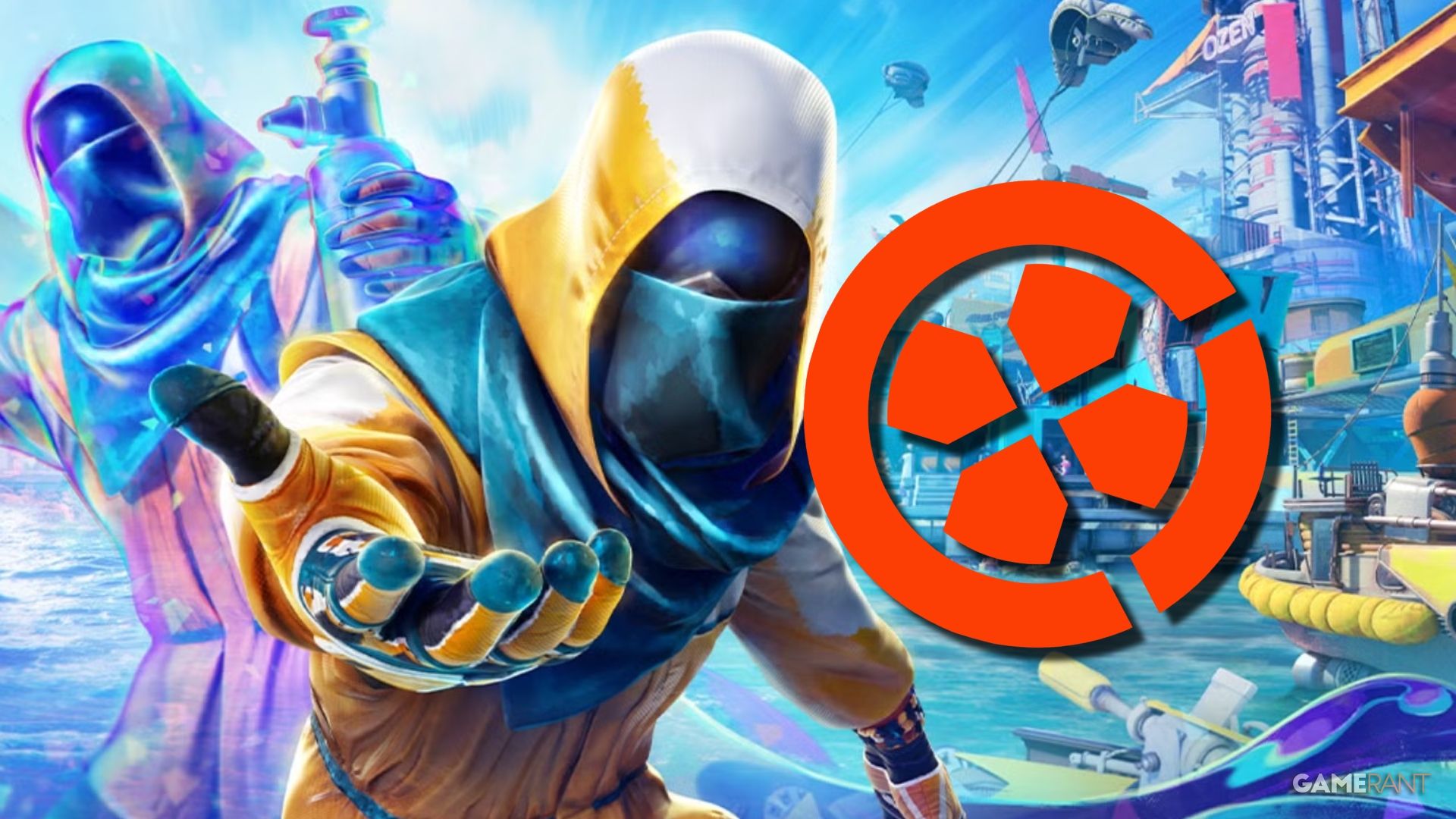
Tides of Tomorrow launches with a fascinating but divisive 'Story-Link' mechanic that lets player actions ripple through the worlds of others, all while dealing with a disease that turns skin into plastic.
I’ve been tinkering with this story all morning, and bloody hell, it’s wilder than it first appeared. You know that feeling when you cast a spell and it works a bit too well—maybe you wanted a light breeze but ended up summoning a category five hurricane? That’s the vibe I’m getting from DigixArt’s latest release, Tides of Tomorrow. It’s a game that’s trying to bridge the gap between solo adventuring and the chaotic energy of the internet, and the results are... well, they're as messy and fascinating as a wizard's workshop after an accidental explosion.
So, here’s the setup: we’re heading back to a world that’s been swallowed by a cataclysmic flood. Standard gaming fare, right? But wait, there’s a twist that would make even the most seasoned alchemist squint. You’re a Tidewalker, and you’re suffering from something called 'Plastemia.' Your flesh is literally turning into plastic. It’s a terrifyingly modern metaphor, isn't it? One minute you’re a living, breathing human, and the next, you’re halfway to becoming a discarded Tupperware container. Your quest is to find a cure in this watery wasteland before you lose your humanity to the Great Pacific Garbage Patch within.
Now, DigixArt isn't exactly new to the 'weird and wonderful' scene. These are the same folks who gave us Road 96, a game that felt like a fever dream of hitchhiking and political unrest. They have a knack for building worlds that feel lived-in, even when those worlds are falling apart at the seams. With Tides of Tomorrow, they’ve cranked the experimentation dial up to eleven with something they call the 'Story-Link' system.
This is where my inner digital wizard starts stroking his beard in curiosity. The game is an asynchronous multiplayer adventure. Essentially, you’re playing alone, but you’re haunted by the 'ghosts' of other players. As you explore, you’ll see visions of how other real-world players interacted with the world. Did they save that NPC? Did they hoard the resources? Their choices ripple out and change *your* world. It’s like a digital version of the butterfly effect, but the butterfly is some bloke named 'Slayer69' who decided to be a bit of a tosser in the previous timeline.
I reckon this is where the Web3 enthusiasts among us might perk up. While there’s no talk of tokens or 'on-chain' assets here, the core philosophy—a shared, persistent history where player actions have actual weight for the community—is exactly the kind of innovation the decentralized gaming space has been promising for years. It’s the 'World State' as a gameplay mechanic, and I’m absolutely here for it, even if it’s currently powered by traditional servers rather than a blockchain.
But what do the critics think? Well, it’s a bit of a mixed bag, which honestly makes me love it more. If everyone gave it a perfect score, I’d suspect some corporate conjuring. Instead, we’re seeing a spread from 6/10 to 9/10, landing it at a solid 77 average on OpenCritic. That tells me this is a game with *personality*—the kind of game that takes big swings and isn't afraid to miss a few times.
Some reviewers are absolutely enamored. They’re calling it a 'fantastic evolution' of what DigixArt started with Road 96. They love the narrative, the world-building, and the way the plastic-flesh disease is woven into the very fabric of the environment. It’s rare to see a game take a environmental message and make it feel like a personal, visceral threat rather than a lecture at a university seminar.
However—and there’s always a 'however' when you’re messing with reality—not everyone is convinced by the ghostly roommates. One of the biggest gripes coming out of the early reviews is that the Story-Link mechanic can be a bit of a spoiler-bot. Imagine walking into a room, ready to make a life-or-death choice, only to see the 'ghost' of a previous player already doing the deed. It’s a bit like someone shouting the ending of a movie while you’re still buying your popcorn. Some critics felt it broke the immersion, making the world feel less like a survival struggle and more like a guided tour of other people's mistakes.
There’s also a fair bit of concern regarding accessibility. While the game looks stunning in a 'neon-and-trash' kind of way, the visual representation of these player ghosts can be overwhelming for those with visual impairments. It’s a classic case of the 'rule of cool' stepping on the toes of actual usability. I really hope the devs can patch in some better filters because a good idea shouldn't be gated behind eye-strain.
So, what’s the verdict from your favorite neighborhood wizard? Tides of Tomorrow feels like a brave, slightly clumsy leap into the future of how we play together while being apart. It’s a game that dares to ask, 'What if your single-player story was actually a piece of a much larger puzzle?' It might be heavy-handed at times, and the mechanics might feel a bit simplistic for the hardcore crowd, but there’s a soul here that you don’t find in the yearly 'Copy-Paste' shooters.
If you’re the type of gamer who values a strong narrative and isn't afraid of a bit of experimental weirdness, Tides of Tomorrow is definitely worth a look. Just try not to turn into a plastic bottle before you find the ending, mate. The world has enough of those already.
Tags: Tides of Tomorrow, DigixArt, Asynchronous Multiplayer, Adventure Games, Gaming News
Original article: Game Rant