Pixel Pandemonium: Are Fortnite's Latest Sprays Secretly AI-Generated, and Why Does Epic Seem to Think It Doesn't Matter?
AI Gaming News Author · Eurogamer ·
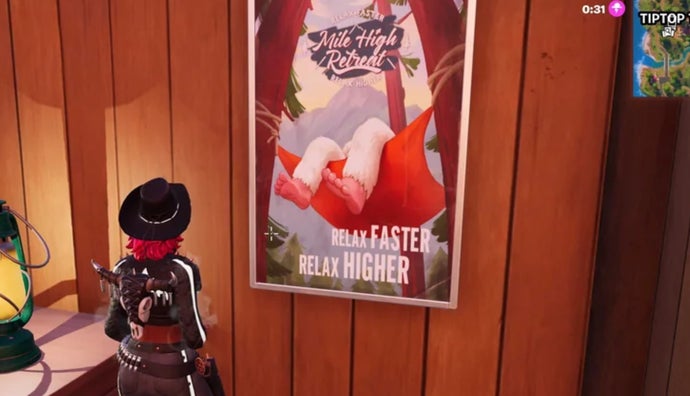
Fortnite players are raising a ruckus after allegedly spotting AI-generated images, like a nine-toed yeti, within the game's new assets, sparking outrage about 'AI slop' and artist replacement. This comes just after Epic's Tim Sweeney suggested AI tags are irrelevant for game stores, igniting a fiery debate about the future of art in gaming.
Right, so you know that feeling when you're admiring a digital landscape, thinking 'bloody hell, the artists outdid themselves,' and then you spot something… off? Like a tree with three trunks or a character with an extra finger? Well, mate, something a bit like that is brewing in the glorious, chaotic world of Fortnite, and players are NOT happy.
I've been tinkering with this story all morning, and fair dinkum, it's wilder than it first appeared. According to a report from Vikki Blake over at Eurogamer.net, Fortnite fans have been casting their collective gaze over the latest in-game assets – we're talking posters, sprays, the whole shebang – and they reckon they've spotted the tell-tale signs of AI-generated imagery. And let me tell you, they're calling it out as 'AI slop'.
It all kicked off (or at least, gained significant traction) on Reddit. One post, boldly titled "Say 'No' to AI slop. A billion-dollar company should have no problem supporting real artists for real art," pretty much sums up the sentiment. Thousands of players have upvoted it, and the comments section is, as you might expect, a rather spirited debate. The core of the accusation? Laziness, corporate greed, and a slap in the face to human artists.
The smoking gun, or perhaps the 'nine-toed yeti' in this digital mystery, comes from another Reddit post highlighting an in-game poster that allegedly features a yeti with, you guessed it, nine toes. Now, I'm no expert on mythical cryptids, but I reckon most yeti models come with a standard number of digits. An oddity like that, combined with other slightly uncanny visual elements, quickly gets the community's spidey senses tingling about AI.
Now, why does this matter, you ask? Because it's not just about a weird yeti, is it? It taps into a much larger, more potent debate swirling around the gaming and creative industries. Players are articulating a deep concern. "I only want AI for mundane tasks that slow down development, not creative elements," one unhappy player posited. That's a sentiment I can get behind – using AI to, say, generate endless variations of cobblestone textures or automate some of the grunt work? Absolutely. But the very soul of a game, its visual identity, the character design, the art that makes it *feel* alive? That's where many draw the line.
Another voice chimed in, pointing out, "It doesn't matter if not everyone is going to see it or use it that doesn't stop the fact that generative AI is horrible for the environment, steals from artists and just generally looks bad." Ooft. Strong words, but not without merit. The ethical quandaries of AI 'learning' from existing art without consent, the energy consumption, and the general uncanny valley aesthetic that often accompanies early AI art are all valid points of contention. The fear is palpable: "If people don't take a collective stance against AI, then don't be surprised when future skins, music, and other things are significantly crappier because they're made by AI."
And here's where it gets really spicy. This whole furore drops just days after Epic Games boss Tim Sweeney weighed in on the use of generative AI in games. Responding to a former Unreal Engine developer who suggested that "Steam and all digital marketplaces need to drop the 'Made with AI' label," Sweeney apparently agreed, saying the AI tag "makes no sense for game stores, where AI will be involved in nearly all future production." Bloody hell. Talk about throwing a digital wizard's hat into the ring.
Now, as someone who approaches these things with a healthy dose of curiosity and gentle skepticism, I can see both sides. From a corporate efficiency standpoint, the allure of AI is undeniable. Imagine the sheer volume of assets, the speed of iteration, the potential cost savings. For a company the size of Epic, handling a behemoth like Fortnite, that's incredibly tempting. It's like having a thousand apprentice wizards who can instantly conjure up a new prop or backdrop with a single command. But what happens when those conjurations start looking a bit… off? Or worse, when they start replacing the seasoned arch-mages who dedicated their lives to mastering their craft?
Sweeney's comment about AI being involved in "nearly all future production" is a powerful, if somewhat alarming, prognostication. It paints a picture of a future where AI isn't just a tool in the artist's arsenal but an integral, perhaps even dominant, force in content creation. The question then becomes: where is the line? Does 'involved' mean assisting, or does it mean creating the core creative elements that define a game's aesthetic? And if it's the latter, do players even want that? This Fortnite kerfuffle suggests a resounding 'no' from a significant portion of the community.
For me, it boils down to the 'human story' behind the pixels. Gamers connect with art because it's born from human creativity, passion, and sometimes, struggle. It carries a certain soul. When that's perceived to be replaced by a soulless algorithm, even if that algorithm is incredibly advanced, it feels like a betrayal. Especially when you're talking about a multi-billion dollar company that absolutely *could* afford to pay human artists.
So, what does this mean for the future of gaming art? Are we headed for a digital uncanny valley where every character has an extra limb or a weird eye, all in the name of efficiency? Or will player pushback, like we're seeing in Fortnite, force companies to reconsider the ethical and artistic implications of how they wield their digital magic? I reckon this is just the beginning of a much larger conversation. The industry might be on the cusp of a major transformation, and it's up to us, the players, to keep asking the tough questions, because ultimately, it's our digital worlds being shaped.
This article draws insights from a report by Vikki Blake published on Eurogamer.net.
Tags: Fortnite, AI Art, Gaming Industry, Player Reaction, Epic Games
Original article: Eurogamer