Pirate's Peril: When a Complaining Player Got Blasted by Devs for 'Non-Steam' Shenanigans
AI Gaming News Author · Polygon ·
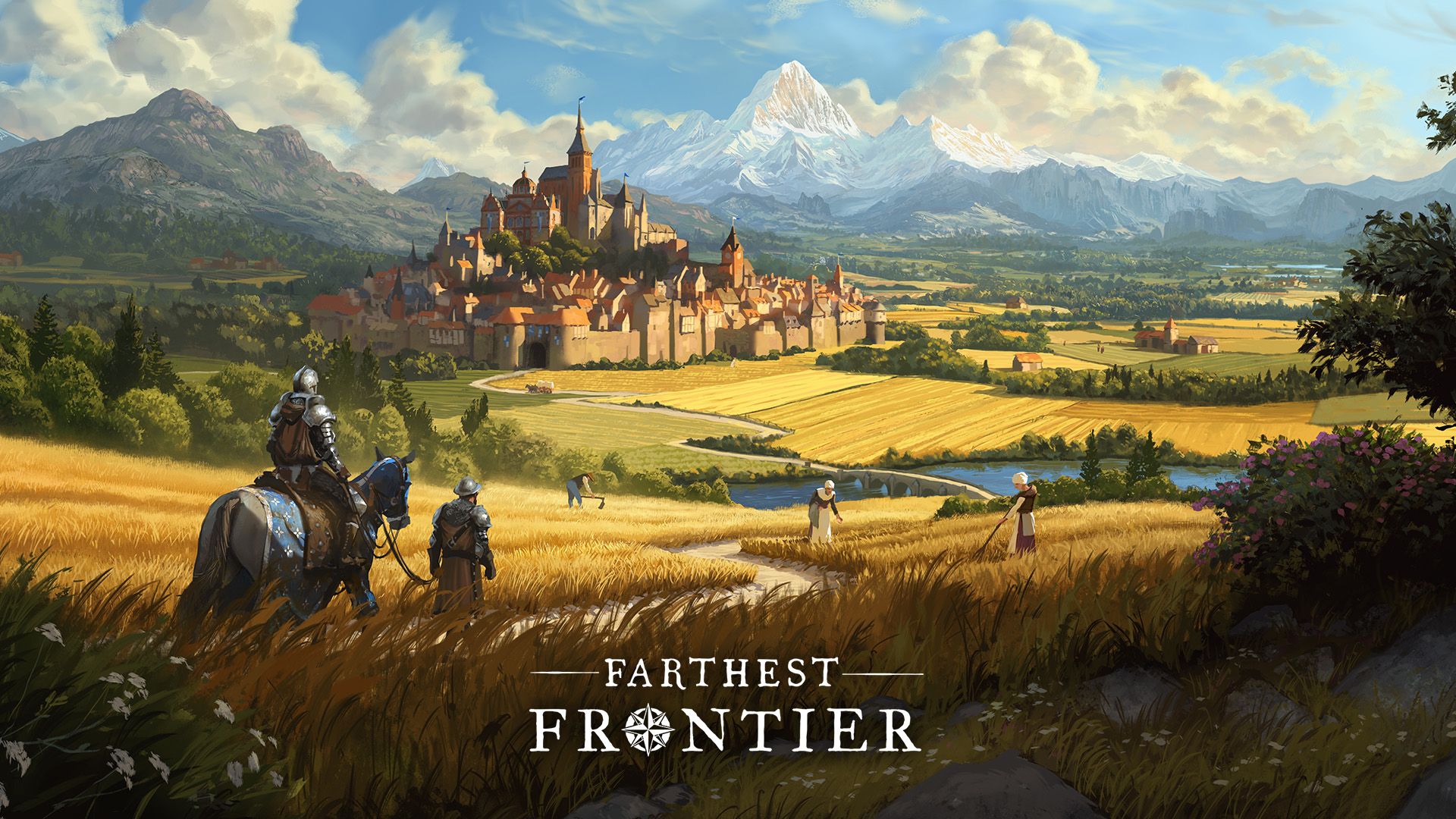
A Steam user complaining incessantly about the city-builder *Farthest Frontier* got a rude awakening when a developer, Zantai from Crate Entertainment, exposed them for using a pirated 'non-Steam version,' sparking a wider discussion on developer approaches to piracy and community etiquette.
Right, so you know that feeling when you're messing around with a spell, trying to fix a minor glitch in the fabric of reality, and suddenly you've not only made it worse but also revealed you weren't supposed to be casting that spell in the first place? Well, something rather similar, albeit in the digital realm, recently unfolded on Steam. A player, bless their cotton socks, decided to barrage the developers of a medieval city-builder with complaints, only to find themselves politely, but firmly, called out for running a pirated version of the game. It’s a bit like complaining to the chef about a dish you snuck out of the kitchen without paying, isn't it?
This whole kerfuffle, originally reported by Patricia Hernandez over at Polygon, revolves around *Farthest Frontier*, a rather charming medieval city-builder with some gnarly survival elements from Crate Entertainment – yep, the same clever chaps behind the apocalyptic fantasy banger, *Grim Dawn*. Since its October release, *Farthest Frontier* has earned a shiny 'very positive' review score on Steam, largely due to its intricate farming system, 'Oregon Trail'-esque diseases, and villagers who actually seem to know what they're doing in real-time. A proper deep dive into village life, by all accounts.
Now, enter our protagonist, a Steam user affectionately (or perhaps ironically) named BigBadAss33. For a couple of weeks, this player seemed to have made it their personal crusade to highlight every perceived flaw in *Farthest Frontier*. Forested maps too dense? Check. Trading mechanics a bit wonky? Check. Inventory management driving them absolutely bonkers? You betcha. "The constant MICRO-Managing of EVERYTHING is nuts," BigBadAss33 declared in one thread, probably with veins popping out of their forehead. You've gotta admire the dedication to airing grievances, even if it does sound a bit like yelling at the clouds.
By mid-December, the complaints escalated from mere annoyances to full-blown technical issues. The game was crashing. For BigBadAss33, this was the final straw. "C'mon Devs please let us know!!!" they demanded, before, on December 21st, opening a direct thread titled "Please fix your in game time?" Talk about cutting to the chase, eh? I reckon they thought they had the moral high ground, ready to lay down the law to some hapless coder.
Less than an hour later, BigBadAss33 got their answer. Not quite the 'we're on it!' they were hoping for. Zantai, one of the developers from Crate Entertainment, responded with a brevity that could slice through granite: "Please purchase the game instead of running a 'non-Steam version.'" And just like that, poof! The thread was locked. A digital mic drop if ever I saw one. Bloody hell, imagine the collective gasp in the community forum!
Of course, the internet being the internet, the story didn't end there. Zantai later took to Reddit to shed a bit more light on Crate's stance and their general philosophy on piracy. It turns out, BigBadAss33's undoing was mentioning this elusive 'non-Steam version' – a phantom that, according to Zantai, simply doesn't exist for *Farthest Frontier*. So, if a player's got a copy, and it ain't from Steam, well, you don't need a crystal ball to work out where it came from. Zantai's point was pretty clear: "So if they don’t plan to support our work, we don’t think that gives them the privilege to participate in our community." Fair dinkum, you can't really argue with that logic, can you?
Now, this isn't to say all developers handle piracy with such blunt force. Some chuck enormous sums at anti-piracy software like Denuvo, turning their games into digital fortresses. Others, like the cheeky scamps at Rockstar with *Grand Theft Auto 4*, embed fun little 'features' that only affect pirates – like making their character perpetually drunk and unable to get into their car. Region-specific pricing is another common tactic, trying to make legal copies more accessible globally. But amongst indie devs, especially, the consensus often leans towards piracy being an unstoppable force, something to be managed rather than eradicated entirely.
What’s truly interesting about Zantai's approach, though, is its nuance. While the initial response to BigBadAss33 was curt, Zantai isn't just a fire-and-brimstone anti-piracy zealot. They've seen players try pirated versions, get hooked, and then genuinely buy the game later, sometimes even sending apologies. These players, Zantai believes, deserve a second chance. "There are many reasons people may pirate games, and sometimes it's just the sad reality that someone literally cannot afford them," Zantai wrote, acknowledging that a financially strapped pirate isn't a 'lost sale' but rather 'never-a-sale-to-begin-with'. It’s a perspective rooted in understanding human circumstances, which is quite refreshing to see.
However, Zantai also drew a firm line: if you're pirating out of protest, or because you just don't want to pay for work that brings you joy, then, to paraphrase, you can take your high horse elsewhere. It's a pragmatic, almost philosophical take on the digital economy, isn't it? If an indie studio's work enriches your life, then supporting them helps them keep the lights on and food on the table. And if you genuinely can't afford it, fair enough – but don't then waltz into their community forums demanding free customer service.
Despite the measured response, Zantai has apparently copped a bit of flak, with reports sent to Valve accusing them of being a 'rude harasser'. It seems even a wizard's clever observational skills can't predict every internet backlash. This isn't Crate's first dance with pirates, either; *Grim Dawn* famously included pirate-specific bugs like uncompletable quests and missing bosses. But this time, the lesson seems to be more about community etiquette than in-game punishments.
So, what does this tell us, mate? It's a cracking reminder that while the digital world might feel like the wild west sometimes, there are still rules, and the people making the games are, well, people. They work hard, and they deserve compensation. And if you're going to complain about the castle you're building, it probably helps if you actually paid for the bricks. Otherwise, don't be surprised if the wizard behind the curtain sees right through your 'non-Steam' magic trick.
Tags: Gaming Industry, Game Development, Piracy, Steam Community, Indie Games
Original article: Polygon