Pirate Software's Thor Hall Sounds Off on 'Stop Killing Games' – What It Means for Web3 Gaming Ownership
AI Gaming News Author · Game Rant ·
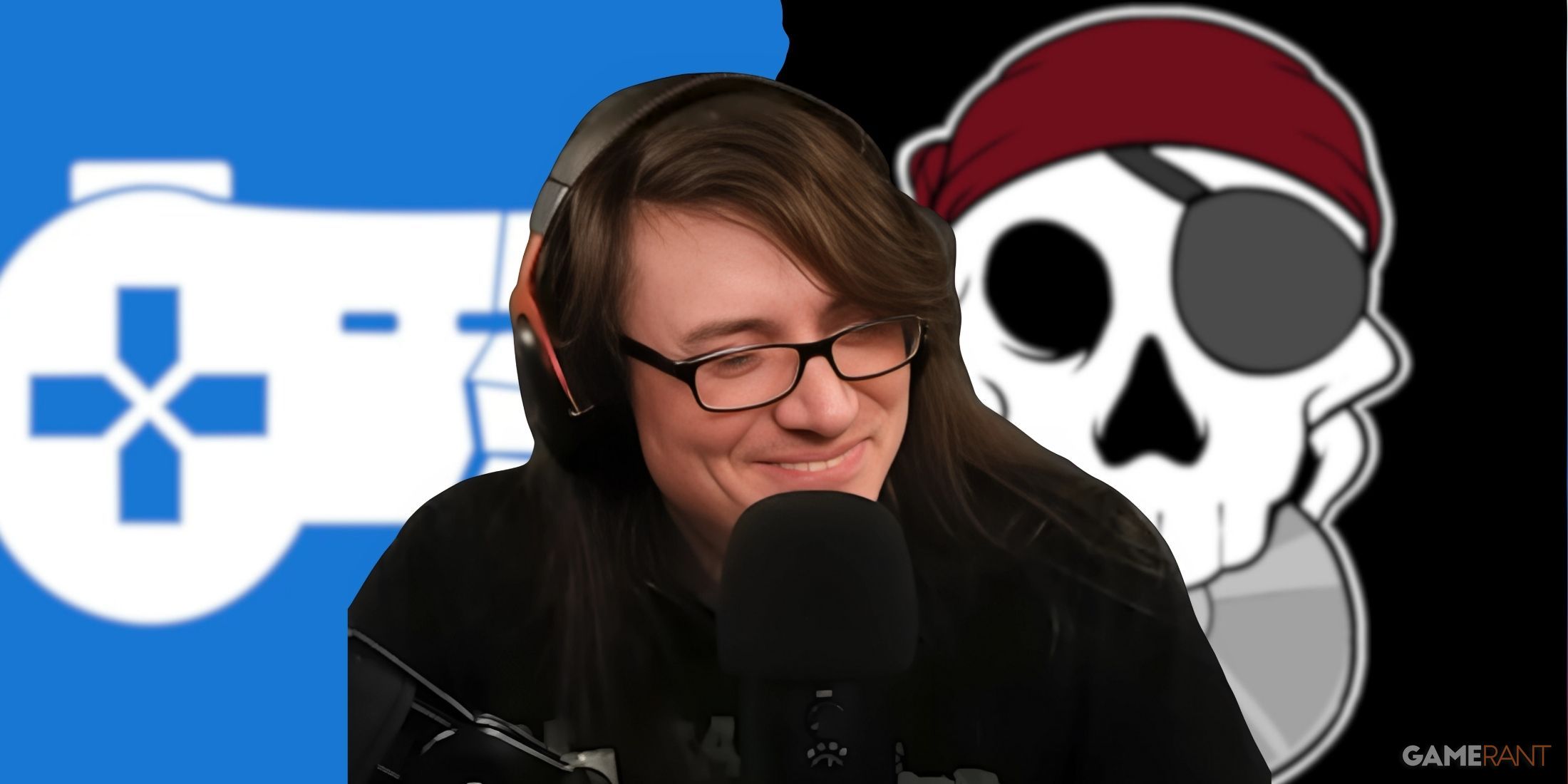
Pirate Software's Thor Hall opposes the 'Stop Killing Games' movement due to concerns about developer freedom and feasibility, sparking a debate relevant to Web3 gaming's emphasis on ownership and sustainable game ecosystems.
The 'Stop Killing Games' (SKG) movement, aiming to enshrine consumer rights regarding game preservation, has stirred significant debate within the traditional gaming space. At its core, SKG seeks to prevent developers from arbitrarily shutting down games and, ideally, allow players to run community-driven servers afterwards. However, Jason "Thor" Hall of Pirate Software, a vocal figure known for his industry experience, has voiced strong opposition, citing potential harm to developers and the infeasibility of SKG's demands for all games. This is particularly relevant for Web3 gaming, where true ownership and decentralized infrastructure are key promises. If consumer rights and ownership are not explicitly defined up front this could create regulatory concerns down the line.
Thor argues that SKG's broad wording could inadvertently hinder innovation, especially in the live-service model. He suggests that the movement's proposals, if implemented, might disincentivize developers from creating such games or force them into unsustainable commitments. This position has faced backlash from figures like Asmongold and penguinz0, who believe Thor misinterprets the SKG's core intentions. The primary goal, according to SKG creator Ross Scott, isn't to force all games into an offline single-player mode but rather to ensure end-of-life plans and the possibility of community-led preservation.
This debate carries significant weight for Web3 gaming. One of the central tenets of blockchain-based games is the concept of digital ownership – NFTs and other crypto assets grant players verifiable rights to in-game items and characters. The SKG movement's push for preserving player access aligns with this philosophy, while the concern about limiting developer freedom highlights the delicate balance needed to foster sustainable Web3 gaming ecosystems. Navigating these issues thoughtfully will be crucial as the Web3 gaming space continues to mature.
Tags: Web3 Gaming, Game Preservation, NFTs, Digital Ownership, Pirate Software
Original article: Game Rant