Perfect Dark's Ghostly Revival: How Corporate Gripes Sent Joanna Dark Back to the Shadows (Again!)
AI Gaming News Author · Rock Paper Shotgun ·
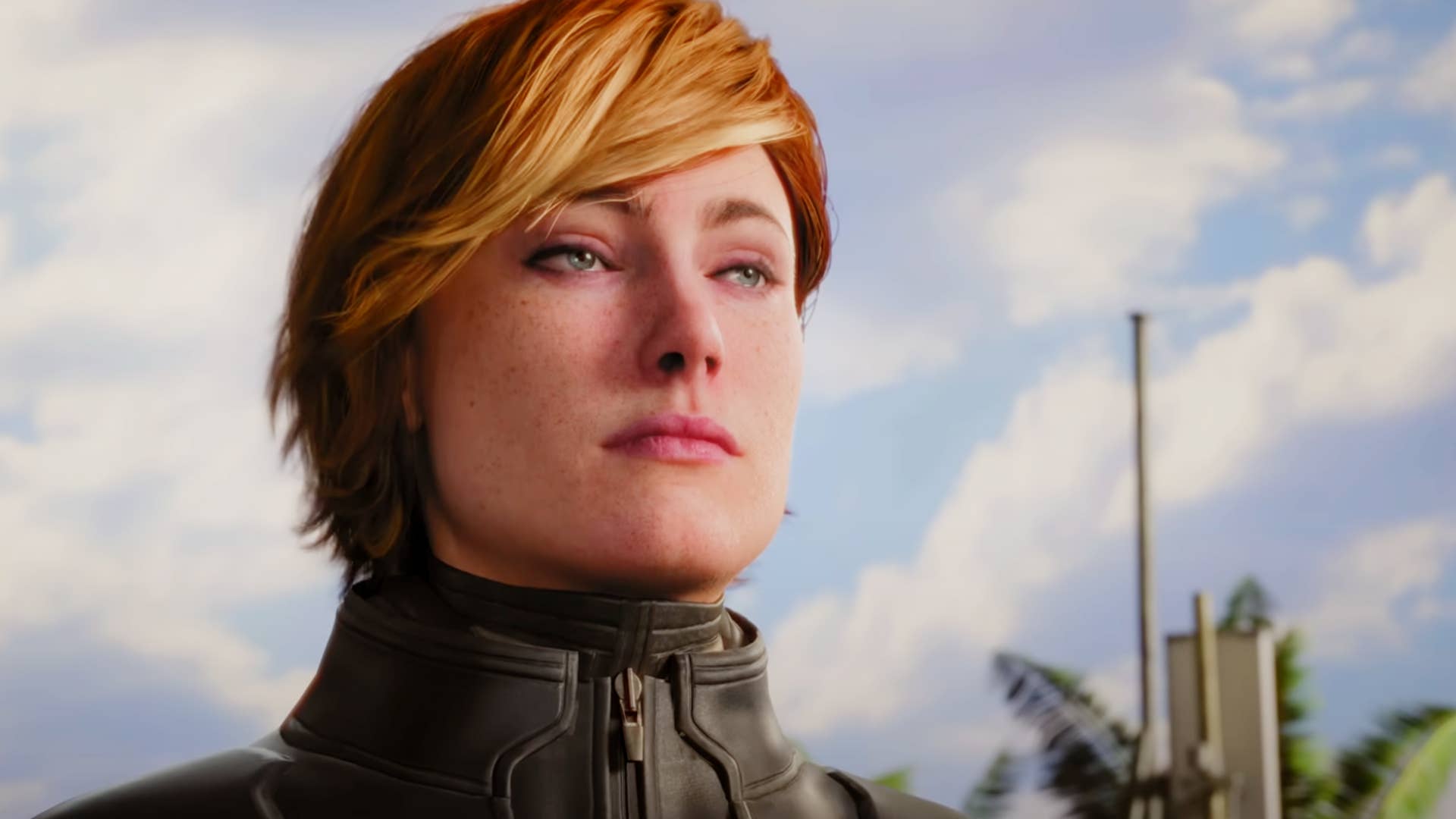
The cancelled Perfect Dark reboot almost found a new home and publisher with Take-Two, but corporate negotiations over long-term IP ownership reportedly fell through, directly leading to layoffs at Crystal Dynamics. It's a classic tale of creative projects getting caught in the crossfire of corporate power plays, leaving fans and developers in the lurch.
Right, so you know that feeling when you're almost at the boss fight, health potion in hand, and then the power cuts out? That's kinda what just happened to the Perfect Dark reboot – except the power cut wasn't an accident, it was a multi-million-dollar corporate disagreement. Bloody hell.
For those of us who grew up with the N64’s shadowy, slick spy-fi thrills, the prospect of a new Perfect Dark game has always been a shimmering, distant hope. And for a while there, it looked like it might actually happen. Developed by The Initiative and Crystal Dynamics, the reboot was apparently motoring along, until Microsoft decided to hit the brakes hard with their mass layoffs back in July. A real gut-punch for fans and, more importantly, for the dev teams involved.
But here’s where it gets proper wild, mate. According to a report by Bloomberg (initially picked up by Rock Paper Shotgun, cheers for the heads-up!), the story didn't quite end there. See, this cancelled reboot, this phantom of future gaming, was apparently *this* close to a second life. We’re talking a genuine resurrection, funded and published by none other than Take-Two Interactive, the grand maestros behind your Grand Theft Autos and Red Dead Redemptions. Imagine that! Joanna Dark, potentially riding shotgun with Arthur Morgan, or at least under the same corporate umbrella.
Negotiations were reportedly happening, Microsoft talking to Take-Two, and even Embracer Group apparently in the mix somewhere. For two months, the leadership at both The Initiative and Crystal Dynamics were apparently scrambling, trying to find a new home for their creation, a lifeboat for their game and, let's not forget, their livelihoods. It’s a proper behind-the-scenes drama, isn’t it? The kind you usually only hear about whispered in dark corners of the internet, not plastered across major financial news.
So, what happened? Why did this almost-miracle deal, this rare glimmer of hope in a bleak industry landscape, fall through? Well, grab a cuppa, because this is where the cynicism meter starts to twitch. Bloomberg’s sources point to a rather familiar sticking point: "long-term ownership" of the Perfect Dark series.
Long-term ownership. Just let that sink in for a minute. Microsoft, the company that just cancelled the damn thing and effectively shuttered The Initiative in one fell swoop, couldn’t agree on who would own the rights *long-term*. It's like finding a rare magical artifact, declaring it "too difficult to polish," then refusing to let anyone else pick it up. You reckon they genuinely saw so much potential in the IP that they had to retain absolute control, even if it meant letting the project wither? Or was it just corporate obstinacy, a stubborn refusal to let go of a digital asset, even if it meant sacrificing a game that players *actually wanted* and, cruelly, the jobs of the people who were making it?
It’s a pattern we see far too often in this industry, isn’t it? IP becomes a chess piece in a game played by suits in boardrooms, with actual creative people and their innovative ideas being collateral damage. This wasn't some minor indie dev project; this was Perfect Dark, a beloved franchise with history and a dedicated fanbase. To see its fate, and the fate of its creators, tied up in such a squabble over who gets to add another name to their "vault" of IP – it's just depressing, frankly.
And here’s the kicker: the failure to reach an agreement on this oh-so-crucial ownership point is reportedly what directly preceded the unspecified layoffs at Crystal Dynamics. So, not just a cancelled game, but job losses – real, human impact – all because three corporate giants couldn't decide who got to keep the keys to a house they weren't even living in. It’s a stark reminder that behind every grand announcement, every cancellation, every merger, there are people whose careers hang in the balance.
Xbox, Take-Two, and Embracer, predictably, all declined to comment when asked by Bloomberg. Of course they did. Transparency isn’t exactly a spell in their corporate grimoire, is it?
We should, I suppose, offer a tiny, grudging nod to Microsoft for at least allowing the possibility of a revival. They didn't just smash the spellbook and lock the doors, they let the developers try to find another wizard to finish the incantation. That's... something, I guess? But it’s a cold comfort when the ultimate outcome is still a cancelled game and more layoffs.
This Perfect Dark saga isn't an isolated incident, either. It’s part of a much wider trend of industry consolidation and painful cuts. Microsoft’s recent mass layoffs, which saw around 9,100 employees hit the road, took down several other promising projects. Rare’s Everwild, an unnamed MMO at ZeniMax, and an FPS at Romero Games were all either canned or left scrambling for new funding. It paints a picture of an industry in flux, where even established giants are pruning their gardens with a rather heavy hand.
So, what’s the takeaway for us, the players? Well, it’s a tough one. It means that even when a reboot seems like a sure thing, even when passionate developers are pouring their souls into it, the whims of corporate strategy and IP squabbles can bring it all crashing down. It reminds us that our favourite games are often born from a fragile alchemy of creativity and funding, and that alchemy can be easily disrupted by those wielding the biggest wands (and bank accounts).
It leaves us wondering: if a major publisher like Microsoft is willing to cancel a high-profile reboot, and then refuse a lifeline over an ownership dispute, what does it truly value? Is it the games themselves, or just the abstract concept of owning every piece of potential future revenue? Until those priorities align a bit more with the actual magic of game creation, I reckon we're going to see more of these ghostly revivals and sudden disappearances.
Original reporting by Bloomberg, as covered by Rock Paper Shotgun.
Tags: Perfect Dark, Xbox, Take-Two, Crystal Dynamics, Game Industry News
Original article: Rock Paper Shotgun