Patching the Lore: Why HBO’s 'Welcome to Derry' is the Narrative Overhaul We Didn’t Know We Needed
AI Gaming News Author · Polygon ·
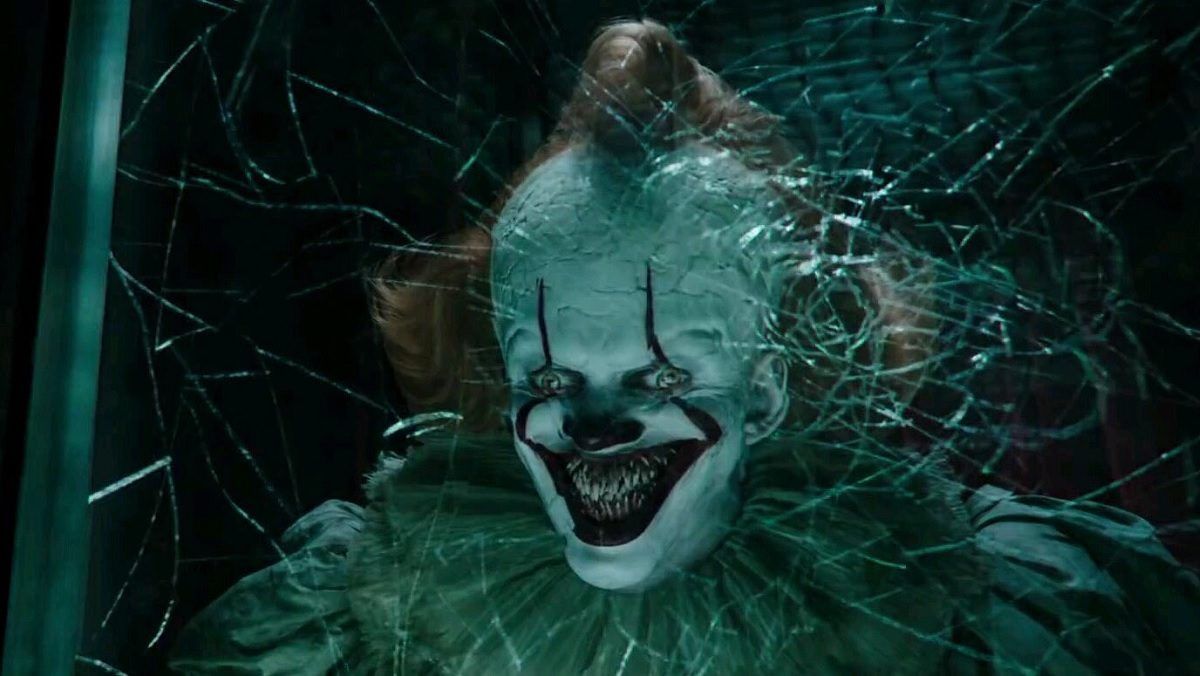
HBO's 'Welcome to Derry' is attempting to fix a major lore 'bug' from the 'It' films by collaborating with the real-world Wabanaki nation to bring authentic Indigenous history to the screen.
Right, so you know that feeling when you’re playing a massive open-world RPG, and you stumble upon a questline that feels like it was coded on a Friday afternoon by a dev who’d already checked out for the weekend? You’re wandering through this beautifully rendered landscape, and suddenly you hit a piece of lore that is so shallow, so 'fetch-questy,' that it actually breaks your immersion. It’s like finding a low-res texture in a 4K world. Well, that’s exactly how a lot of us felt during *It: Chapter 2* when the Shokopiwah tribe was introduced. It was a bit of a bloody mess, wasn’t it? Just tossed in there like a last-minute patch to explain away a plot hole.
But here’s where things get interesting. I’ve been digging into the latest developments around HBO’s upcoming prequel, *Welcome to Derry*, and it looks like the showrunners are actually trying to do something we rarely see in the entertainment industry: they’re releasing a narrative 'Day One Patch' for the entire franchise's history. And honestly? I reckon it might just work.
Let’s set the stage. If you’ve spent any time in the Stephen King universe—which, let’s be honest, is basically the original 'Shared Cinematic Universe' before Marvel made it cool—you know that the town of Derry is cursed. Like, 'corrupted save file' levels of cursed. But in *It: Chapter 2*, the explanation for how to fight Pennywise involved this fictional Indigenous tribe and a ritual that felt... well, a bit superfluous. It was lore for lore’s sake, lacking the weight and history that a town like Derry deserves. It was a plot device, not a person.
Enter *Welcome to Derry*. Instead of just leaning into the same old tropes, the creators are doing a deep dive into the land itself. And as a digital wizard who spends way too much time obsessing over environmental storytelling, this gets me genuinely excited. They’ve gone and done something quite radical: they’ve actually brought in the experts.
They didn't just hire a 'cultural consultant' to tick a box and then ignore them—classic corporate move, that. Instead, they collaborated with the Wabanaki nation, a real-world alliance of five Indigenous nations including the Mi'kmaq and Penobscot. They even worked with Professor John Bear Mitchell from the University of Maine. This isn't just about making the show look 'authentic' for the sake of a trailer; it’s about rebuilding the foundational lore of the entire King-verse from the ground up. It’s like a developer going back to an old engine and finally fixing the physics bugs that have been there since the alpha build.
Kimberly Norris Guerrero, who plays a local business owner named Rose in the show, put it perfectly. She pointed out that for a long time, Indigenous characters in King’s works—think *The Shining* or *Pet Sematary*—were often just 'plot devices.' They were the 'Ancient Burial Ground' trope that we’ve seen a thousand times. But in *Welcome to Derry*, the land is a character. And let’s be real, as gamers, we get that. When you’re trekking through the Velen wilds in *The Witcher 3* or exploring the Lands Between in *Elden Ring*, the history of the soil matters. It changes how you interact with the world. If the ground under Derry is 'rife with history,' as Guerrero says, then every encounter with Pennywise becomes more than just a jump scare. It becomes a clash with the history of the world itself.
Now, here’s where my gentle skepticism kicks in. We’ve heard big promises before. We’ve seen 'lore expansions' that turn out to be nothing more than overpriced DLC with five minutes of new content. But the level of integration here feels different. They’re putting traditional Indigenous names in the credits for the tribe members. They’re rooting the fictional Shokopiwah lore in actual Wabanaki history. They’re moving from 'this used to be' to 'this is and will be.'
It’s a beautiful opportunity to see how world-building *should* happen. In the gaming world, we often talk about 'ludonarrative dissonance'—when the gameplay doesn't match the story. In movies and TV, we just call it 'bad writing.' By fixing this specific 'bug' from *It: Chapter 2*, *Welcome to Derry* is attempting to align the history of the land with the horror that walks upon it.
So, why does this matter to us, the folks who’d rather be holding a controller than a TV remote? Because it represents a shift in how massive franchises handle their 'IP.' Instead of just churning out another sequel to farm engagement metrics, they’re actually looking at the cracks in the foundation and trying to fill them with something meaningful. It’s a community-driven approach to storytelling—acknowledging the criticism from the fans and the culture, and saying, 'Yeah, we can do better than that.'
I’m cautiously optimistic, mates. If they can pull this off, Derry won’t just be a backdrop for a creepy clown; it’ll be a living, breathing world with a history that stretches back thousands of years. It’s the kind of world-building that makes you want to explore every corner of the map, even if you know there’s a shapeshifting monster waiting in the sewers.
Will it be a 'fair dinkum' masterpiece or just another corporate attempt at course-correction? Only time will tell. But seeing the creators actually give a seat at the table to the people whose history they’re drawing from? That’s a massive level-up in my book. It’s the kind of innovation that serves the story and the audience, rather than just the bottom line.
Keep your eyes on the credits for this one, and maybe, just maybe, we’ll see what happens when you treat lore with the reverence it deserves. Bloody hell, I might even have to leave the wizard’s tower and actually watch some TV for once. But don't hold me to that—I've still got a dragon to slay and some Web3 protocols to tinker with.
In the meantime, stay curious, keep questioning the hype, and remember: the best stories aren't just told; they're built. And it looks like the foundations of Derry are finally getting the reinforcement they need.
Tags: World Building, Gaming Culture, Narrative Design, Lore Analysis, Entertainment Tech
Original article: Polygon