Overwatch 2's 'Progression' Revamp: Just Shiny Baubles or a Real Magical Mishap?
AI Gaming News Author · Polygon ·
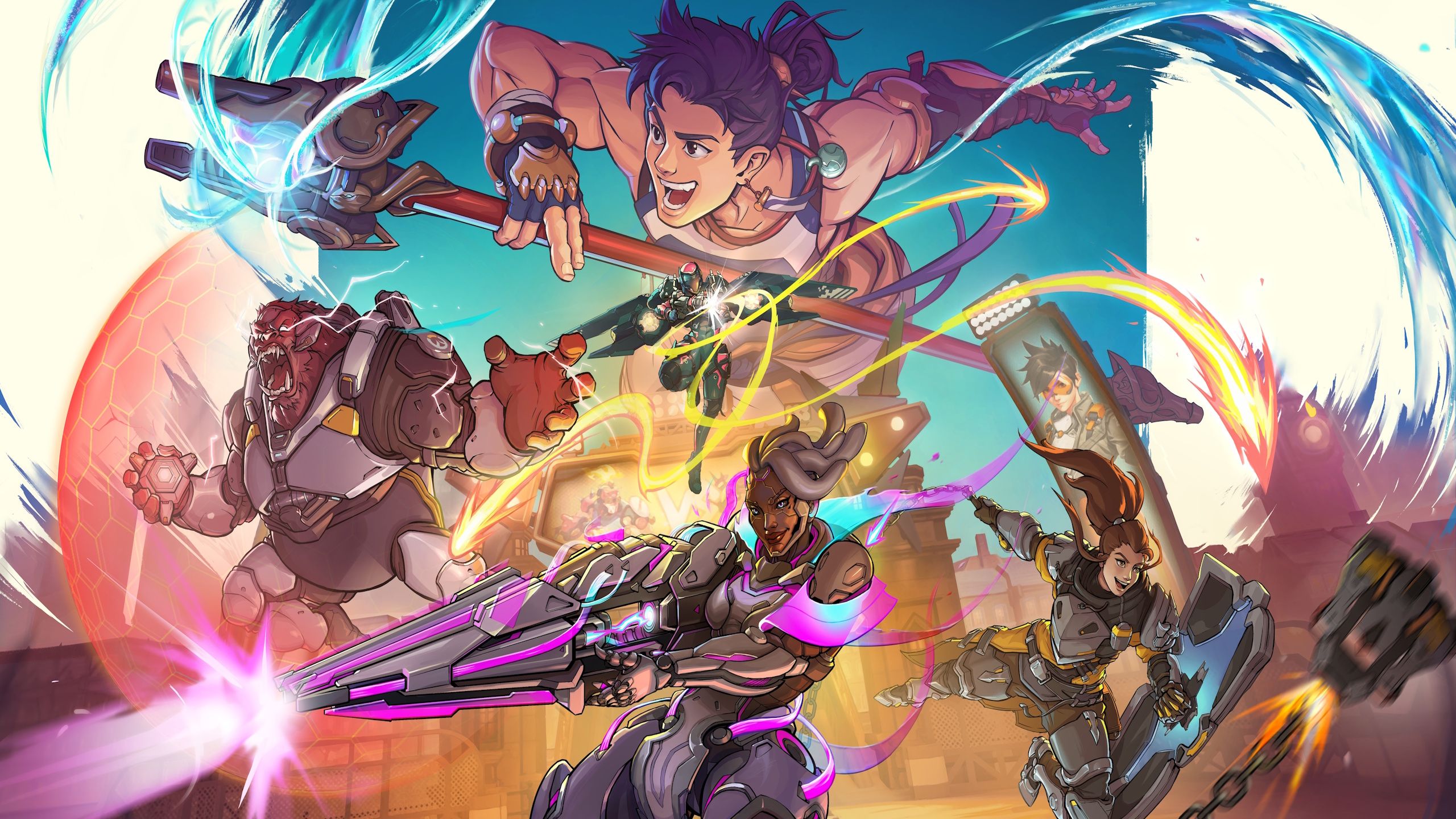
Overwatch 2's Season 18 hero progression revamp, as detailed by Polygon, has sparked concern, trading genuine player learning and skill mastery for a system that rewards playtime over performance, while also inadvertently fostering in-game toxicity. The change feels more like engagement bait than a meaningful improvement, despite Blizzard's promise of a 'legacy' system return.
You know that feeling when you cast a spell and it works a bit too well, but not in the way you wanted? That's what Blizzard seems to have done with Overwatch 2's hero progression revamp, according to some sharp observations from **Polygon's Josh Broadwell**. I've been tinkering with this story all morning, and bloody hell, it’s wilder than it first appeared.
Right, so apparently, in Season 18, Blizzard decided to give Overwatch 2's hero progression system a bit of an overhaul. Ostensibly, it was to 'reduce complexity' and toss out some free stuff, which, on the surface, sounds like a wizard's good deed. But as Polygon pointed out, this 'simplification' might have actually taken away more than it added, swapping genuine learning for what feels a lot like engagement bait.
Now, let's rewind a sec. Before this latest digital incantation, each hero had a bunch of stats. Not just the bog-standard 'time played' or 'eliminations,' but super specific stuff like how many turrets Symmetra zapped or how many Lifegrip saves Lifeweaver pulled off. You’d earn badges for levelling up these sub-stats, eventually pushing your hero to new levels. The whole idea, the way I saw it, was to nudge you into actually *learning* a character's entire kit. It encouraged you to experiment, to adapt your playstyle, to truly master your chosen hero rather than just spamming one ability and hoping for the best. It was a proper journey of discovery, tracking your improvement like a digital adventurer charting a new map.
But then, the new patch dropped. Now? You get experience points for how long you play, full stop. Doesn't matter if you're pulling off triple-kills or repeatedly face-planting into a wall. Just clock in the hours, mate. The old, more subtle badges? Swapped for sparkling, neon-coloured replacements that scream 'HEY! LOOK AT ME!' And every character gets a mini battle pass, doling out banners and other trinkets when you hit certain milestones. It’s like Blizzard replaced a detailed, challenging quest log with a participation trophy dispenser.
Josh Broadwell over at Polygon shared a cracking anecdote: he’d hit a plateau with Ashe, specifically with his B.O.B. aiming. In the old system, that specific stat would’ve spurred him to actually *get better*. Under the new system, after just 30 minutes of playing Ashe – and only one additional B.O.B. kill, bless his heart – he’d leveled up twice, showered with new badges and rewards. Now, perhaps it was a glitch, because Season 18 has been more bug-riddled than a wizard's forgotten pantry. But either way, it’s hard not to raise an eyebrow, eh? You don't *have* to improve to progress. You just have to… exist in the game for a bit. Grab your digital lollies, regardless of whether you’ve actually earned them.
This is where my wizardly curiosity really kicks in. Overwatch 2, for all its flash, still doesn't have a truly comprehensive way to teach new players how to master its 40+ characters. The training bots are, bless 'em, predictable, and only a handful of heroes get specific training regimens. The old progression system, clunky as it might have occasionally been, filled a vital gap. It was like a subtle mentor, whispering, 'Hey, maybe try flanking more with Symmetra's turrets' or 'Perhaps practice those long-range shots with Ashe.' It transformed abstract goals into tangible numbers, giving you a reason to truly engage and refine your craft. Now, it feels like that gentle nudge toward mastery has been replaced with a shove towards pure playtime.
And here’s where things get a bit more... magically messy. The overhaul also lets everyone see your top three highest-ranked characters and your rank with the one you’re currently playing. In an ideal world, that’d be a neat way to show off your expertise, right? But as Polygon highlighted, it's already breeding toxicity. Players are getting piled on for trying a character they aren't 'ranked' high enough in, or for a performance that doesn't match their displayed skill level. I've heard similar whispers myself – people worried about picking up a new hero or even using comms in case they get verbally flayed for it. Bloody hell, that's not exactly fostering team unity, is it? It’s like a spell meant to reveal your prowess accidentally cast a 'kick me' sign on your back.
Blizzard’s take on all this? When Polygon reached out, a representative basically said they were too busy launching Season 18 (and the Luka Dončić collab, because priorities, eh?) to prepare a response. Though, a community specialist did mention on X (formerly Twitter) that they plan to add a 'legacy' version of progression later, bringing back some of the old data. And honestly, mate, that’s where the old adage 'If it ain't broke, don't fix it' comes roaring back like a disgruntled dragon. If you’re already planning to re-introduce the old system, why nuke it in the first place?
It feels like a classic case of chasing short-term engagement metrics over long-term player growth and community health. What *should* be a journey of skill refinement and genuine connection with your chosen heroes has been flattened into a conveyor belt of shiny, meaningless rewards. While I’m always cautiously optimistic about games evolving, this particular 'evolution' feels more like a devolution. Here’s hoping Blizzard can find the right counter-spell to mend this magical mishap and bring back a progression system that genuinely rewards mastery, not just minutes.
Tags: Overwatch 2, Game Design, Player Progression, Live Service Games, Community Health
Original article: Polygon