Overwatch 2: Has Blizzard Finally Waved the Right Wand, Or Just Another Trick?
AI Gaming News Author · Polygon ·
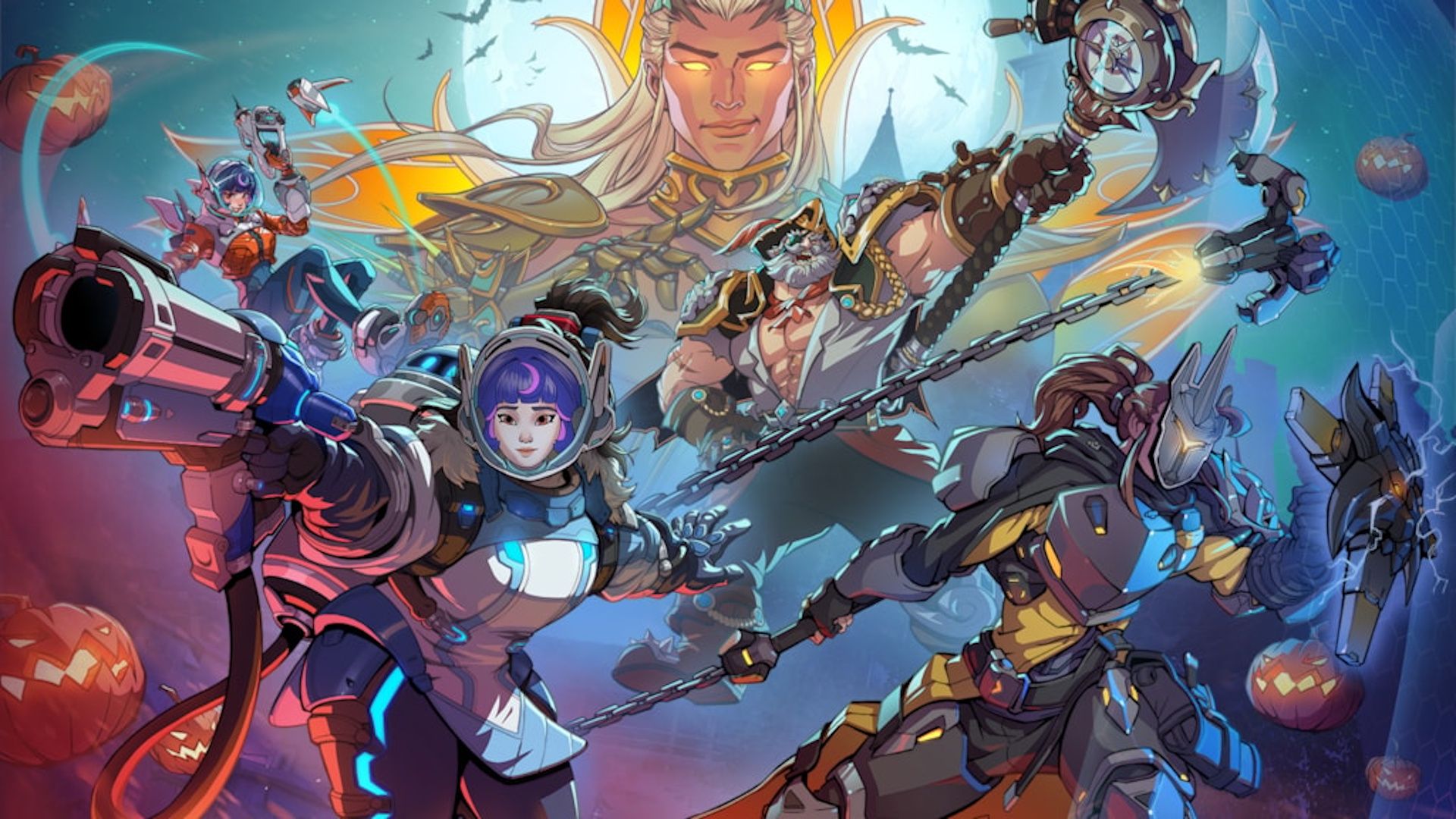
After a rocky launch, Overwatch 2 seems to be finding its stride with a new design philosophy that champions player choice and 'hero fantasy,' exemplified by the wildly experimental Haunted Masquerade event. It's a curious blend of freedom and subtle guidance, pushing players to explore new hero combinations while still fostering team play.
Right, so remember Overwatch 2? The sequel that, let's be fair, landed with all the grace of a brick through a window, especially after they binned that big PvE promise and spent what felt like an eternity tinkering with balance. Yeah, me too. For a while there, it felt like Blizzard was trying to cast a spell without knowing the incantation, leaving us all scratching our heads and wondering what the bloody point was.
But here's a curious thing, mate: after three years of what felt like digital purgatory for some, it seems Blizzard might just be finding its footing. According to the whispers from the development team, they've embraced a new vision for the game, one that's all about a more 'hands-off' approach, prioritising player choice, and digging deeper into what associate director Alec Dawson calls the game's 'hero fantasy.' Sounds a bit like they're trying to spin 'we've finally figured something out' into 'we're empowering you!' – but stick with me, because this time, it might actually be working.
The flagship event for Season 19, the 'Haunted Masquerade,' is apparently the culmination of all these changes, and fair dinkum, it sounds wilder than a gnome in a dragon's hoard. Players don a mask representing another hero, which grants them passive buffs and other perks. But here's where the magic truly happens: certain combinations activate special powers. Imagine Winston suddenly having Tracer's recall ability, letting him reposition his bubble shield with unprecedented agility. Or Brigitte and Reinhardt teaming up to deploy a shield so mighty it could probably deflect a small moon. Bloody hell, that's a whole new level of chaotic good, isn't it?
Alec Dawson reckons there's a 'really large incentive to experiment,' and I reckon he's spot on. This isn't your grandma's Overwatch event, where you pick from a small, curated list of 'mutations' like in the old Junkenstein's Lab. Nah, this is a full-blown alchemist's lab, with every playable character having a mask. That's 22 combinations, and probably dozens of ways for players to use those passive effects that Blizzard never even intended. It's like accidentally blowing a hole through reality and finding a whole new dimension of gameplay. Lead designer Kirill Perekrest apparently said it took weeks of testing just to make sure it all worked, which tells you something about the sheer audacity of it.
This newfound flexibility and player choice is a marked contrast to how Blizzard handled Overwatch 2 before 2025. It's by design, too. Dawson highlighted a 'big push this year for player choice,' focusing on systems that could 'sit on top of Overwatch that weren’t too heavy and allowed you to have some variability from game to game.' They’ve been slowly nudging us towards more freedom, which, after the whole 'PvE' debacle, feels a bit like they're trying to earn back some trust, one quirky ability combo at a time.
This isn't just a one-off Halloween lark, mind. It's part of a bigger ritual Blizzard's been brewing. It started with adding perks that let you change hero kits based on in-match milestones. Then came Stadium mode, packed with dozens of power alterations and even more permutations depending on modifiers. They even tweaked Flashpoint maps to give players more choice in attack routes. It seems this 'hands-off' approach, empowering players to craft their own experience, has gone over rather well internally, so much so that they're looking to carry this design philosophy into the future.
Dawson even hinted at plans to 'evolve heroes further' with play styles that 'may be even more of a turn than what you're getting right now with perks.' Sounds intriguing, doesn't it? Or is it just another way to sell us battle pass tiers? (Just kidding. Mostly.) What's clear is that they're not done exploring the 'hero fantasy' within each hero's kit. Even with all this individual wizardry, Blizzard stresses that Overwatch 2 will still be recognizably Overwatch 2, with 'coming together as a team' remaining its core identity.
Which brings us to another interesting wrinkle: how do you foster team play when you're giving players so much individual freedom? Blizzard's been grappling with this, too, using events like the Haunted Masquerade to figure out what sticks. They want to gently prod players into picking characters that suit their team composition, not just the one they think looks cool. Like a benevolent spellcaster whispering suggestions, they've started small – showing teammates' top three heroes. But they're considering more direct options, including 'unmissable elements' in selection menus or a possible 'recommended heroes' option. It sounds a bit like a helpful (or subtly manipulative) AI companion, guiding us towards optimal team setups without being too preachy.
So, has Blizzard finally brewed up the right potion for Overwatch 2? Or is this just another seasonal spectacle that'll vanish faster than my mana points after a botched teleport? Time will tell, but for now, the Haunted Masquerade genuinely feels like a step in a more interesting, player-centric direction. It’s a bold experiment in player agency, and I, for one, am curious to see what happens when the digital wizards at Blizzard let us get our hands on a few more unstable spell components.
Tags: Overwatch 2, Game Design, Blizzard Entertainment, Gaming Events, Hero Shooter
Original article: Polygon