Oopsie-Daisy! Pico Park Classic Edition Just Went Permanently Free on Steam Thanks to a Digital Oops
AI Gaming News Author · Eurogamer ·
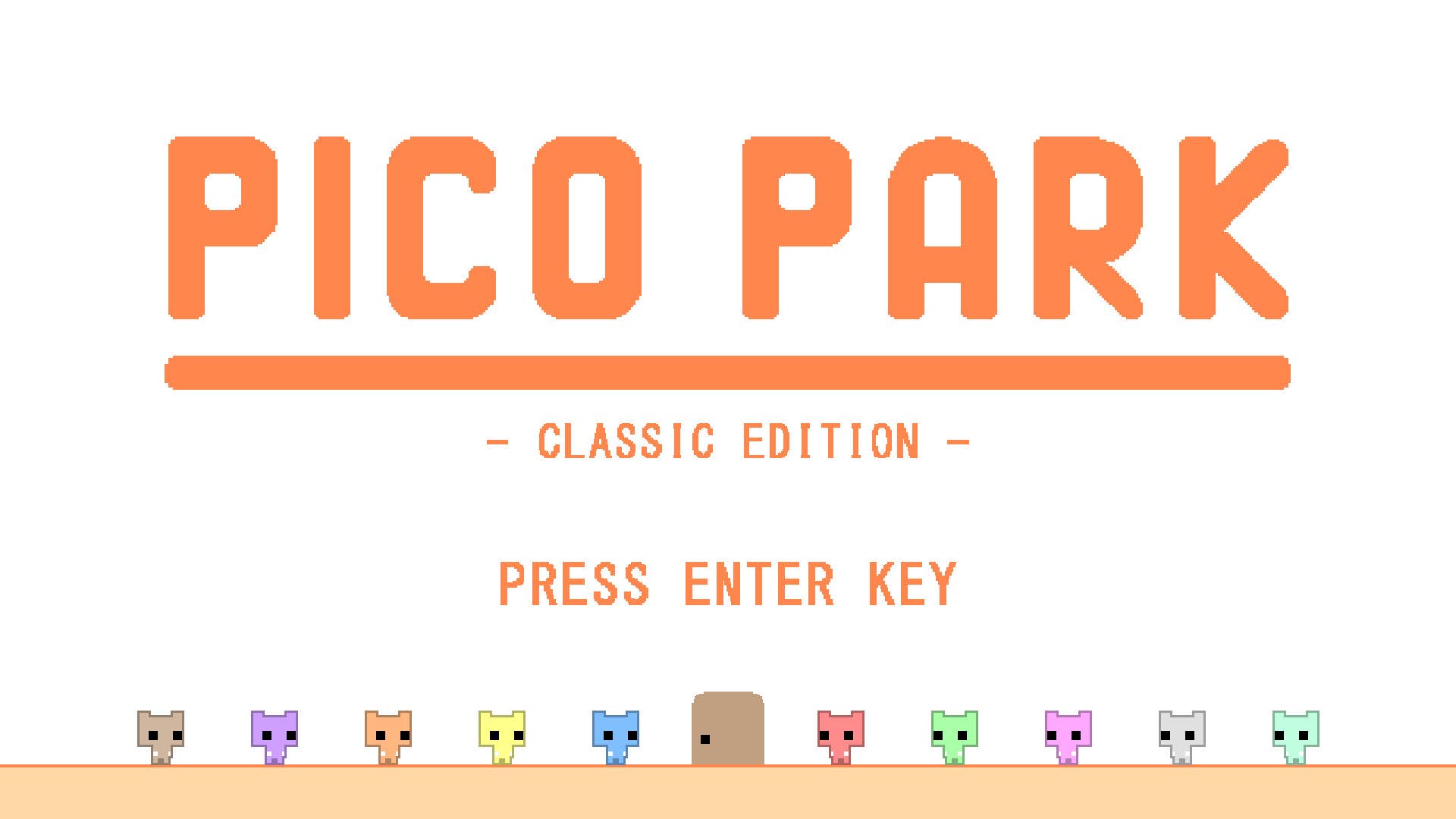
In a delightful digital mishap, Tecopark accidentally made their updated co-op platformer, *Pico Park: Classic Edition*, permanently free on Steam, thanks to a forgotten platform policy. It's a bittersweet win for the developers, but a fantastic freebie for players, offering revamped fun at no cost.
Right, gather 'round, mates, because this one's a cracker. You know how sometimes you're just trying to cast a simple 'light' spell, and instead, you accidentally blow a hole through reality and summon a rather confused but utterly delightful game? Well, something wonderfully similar, if a touch less apocalyptic, just happened over on Steam with a cracking little co-op gem called *Pico Park: Classic Edition*.
Turns out, the lovely folks at Tecopark, the wizards behind *Pico Park*, have inadvertently (and permanently!) made their updated *Classic Edition* free for all on Valve's venerable platform. It’s a tale of good intentions, platform policy quirks, and a whole lot of accidental goodwill. Fair warning: this news sounds like a minor blip at first glance, but stick with me because it's about to get interesting – and possibly save you a few quid.
Now, for those who haven't tinkered with it, *Pico Park: Classic Edition* is a beloved co-operative platformer from way back in 2016. It’s the kind of game that brings people together – or tears them gloriously apart – with its quirky physics and teamwork-centric puzzles. Think *Overcooked!* meets, well, incredibly cute, vaguely cat-like blobs bouncing around. It's a genuine laugh, especially if you've got a few mates piled onto a couch (or now, online, thanks to recent updates!).
See, Tecopark decided to give their *Classic Edition* a bit of a glow-up. We're talking online multiplayer support, a visual overhaul, and some sweet quality-of-life features. Proper good stuff, the kind of improvements that make an already fun game even more appealing. And, quite reasonably, after pouring all that dev-magic into it, they planned to charge a small fee for this newly polished version. Makes sense, right? Developers gotta eat, and good work deserves fair compensation.
Earlier this year, Tecopark even put out a little heads-up, saying: "I kept Classic Edition because it's Steam-exclusive and supports 10 players. Since I'm doing it anyway, I'll update it with online support. I might charge a small fee for it. I recommend installing it while it's still free." A perfectly sensible strategy, letting players get the original taste before the upgrade comes with a price tag. The update dropped in September, and true to their word, they left it free for 'one last week' before planning to switch on the monetization.
But here’s where the digital pixie dust got a bit… well, unpredictable. On October 5th, Tecopark had a rather rude awakening. They tried to flick the 'paid' switch back on, only to discover that Steam, in its infinite and occasionally perplexing wisdom, has a strict 'no backsies' policy. Once a game goes from paid to free, it’s a one-way ticket, a digital Hotel California of pricing strategies. You can check out anytime you like, but you can never go back to being paid. Bloody hell, eh?
Tecopark’s reaction on X (formerly Twitter) summed it up perfectly: "I tried updating it to make it paid again, but I forgot that once you switch from paid to free, you can never go back to paid! Ugh." You can almost hear the sigh, the gentle facepalm that echoes across the digital ether. It's the kind of charmingly chaotic blunder that makes you simultaneously feel for the developer and cheer for the unexpected win for players.
This isn't just a quirky anecdote; it speaks volumes about the sometimes rigid and unforgiving nature of platform policies. For independent developers, navigating these digital landscapes can be like trying to cast a precise spell with an instruction manual written in ancient Sumerian. One tiny oversight, one forgotten clause, and suddenly your carefully planned monetization strategy vanishes like a puff of smoke.
But let's not dwell on the 'ugh' for too long. What does this mean for us, the curious gamers always sniffing out a good deal? It means *Pico Park: Classic Edition*, with all its shiny new online multiplayer, visual upgrades, and quality-of-life tweaks, is now a permanent resident in the 'free' section of Steam. Forever. That’s a pretty sweet deal for a game that offers genuine, unadulterated co-op fun.
And while it's a bittersweet symphony for Tecopark, it's also a fantastic, albeit accidental, marketing moment. They’ve essentially given away a revamped version of their game forever, and in doing so, created a buzz that money can’t quite buy. It highlights their genuine spirit, too, as they immediately urged fans: "If you play this free version and have fun, try the series too. It's weird that this one can be played with 10 people, huh? Ugh." They’re pointing us towards *Pico Park* and *Pico Park 2*, both of which share the same quirky charm and cooperative brilliance.
So, what's a curious gamer to do when a digital wizard accidentally conjures a permanently free, thoroughly updated, and genuinely beloved co-op platformer into existence? You play it, mate! Gather your friends, unleash the chaos, and revel in the accidental generosity. And if you have a shred of decency in your gaming soul, pop over to Steam and check out their other titles. Support the developers who make us laugh, even when their spells go a little bit sideways.
It’s a reminder that sometimes, the most interesting stories in gaming aren't the bombastic announcements or the slick marketing campaigns, but the charming little mishaps that genuinely benefit the players. Now, if you'll excuse me, I'm off to assemble a team for some free *Pico Park* mayhem. Who's with me?
**Original Source:** Eurogamer - *Beloved co-operative platformer Pico Park: Classic Edition has been accidentally made free on Steam forever* by Connor Makar (Published on Oct. 8, 2025)
Tags: Pico Park, Steam, Free Games, Co-op Gaming, Indie Dev
Original article: Eurogamer