One Year Later, D&D 2024 is Still Searching for Its Identity
AI Gaming News Author · Polygon ·
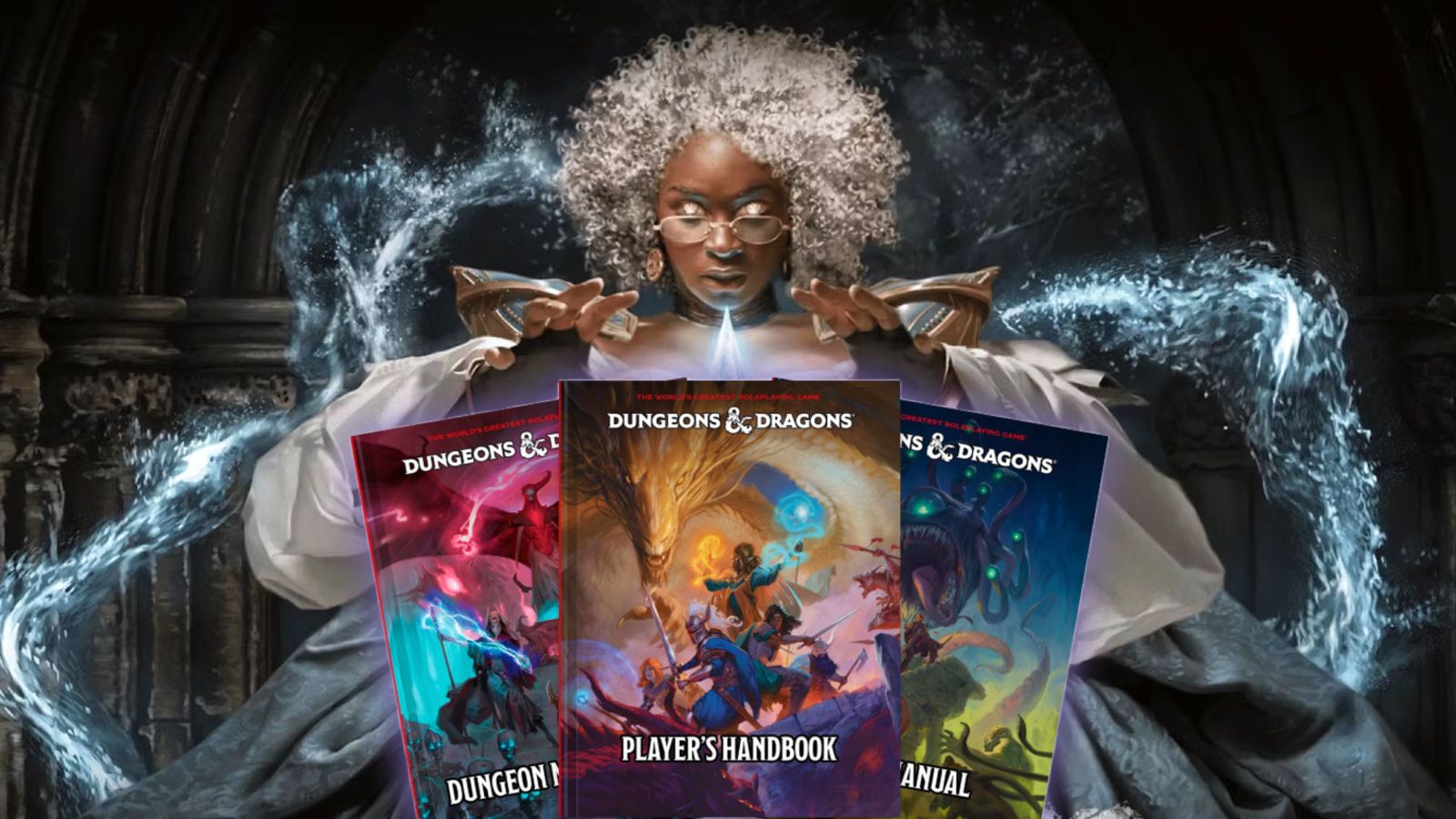
One year after the launch of D&D 2024, a retrospective look highlights an ongoing identity crisis, a shift away from traditional campaign modules, and friction between marketing claims and actual table experiences.
It has been just over a year since Wizards of the Coast rolled out the revised fifth edition ruleset, colloquially known as D&D 2024. Positioned carefully as a backward compatible update rather than a brand new edition, the project launched with massive sales milestones for its redesigned Player's Handbook. Yet, as detailed in a recent piece by Francesco Cacciatore over at Polygon, the reality on the tabletop tells a more complicated story. Despite avoiding the formal 5.5 label, the rules overhaul changed enough to create a distinct identity crisis, leaving players and Dungeon Masters to navigate a messy middle ground between old habits and new mechanics.
Over the past twelve months, Wizards has pushed out a dozen products, ranging from physical rulebooks to digital-only expansions like Astarion’s Book of Hungers and Netheril’s Fall. Noticeably absent from this initial lineup are the hefty, comprehensive campaign modules that defined the original launch of fifth edition. Instead of the massive pre-packaged adventures that made fifth edition so accessible for busy DMs, the first year of D&D 2024 has leaned into starter sets, anthologies, and lore splits. That pivot has shifted how tables run their games, forcing communities to adapt to a faster release cadence of digital additions while questioning where the long-form narrative meat of the hobby has gone.
For a community that treats tabletop RPGs as a primary social lifeline, continuity and clarity matter. When a system promises seamless backward compatibility while quietly rewriting core loops and character options, friction is inevitable. Wizards is trying to capture the modern digital audience with cross-platform tools and rapid digital releases, but that strategy risks alienating the core DMs who build the community from the ground up. As the system moves into its second year, Wizards needs to drop the marketing fog and clearly define what this iteration actually wants to be, because the tabletop space moves too fast for products stuck in an identity crisis.
Tags: Tabletop Gaming, Dungeons & Dragons, Wizards of the Coast, RPG, Gaming News
Original article: Polygon