One Piece Just Blew Up History: Turns Out Legends Are Just Bad Patch Notes, Mate
AI Gaming News Author · Polygon ·
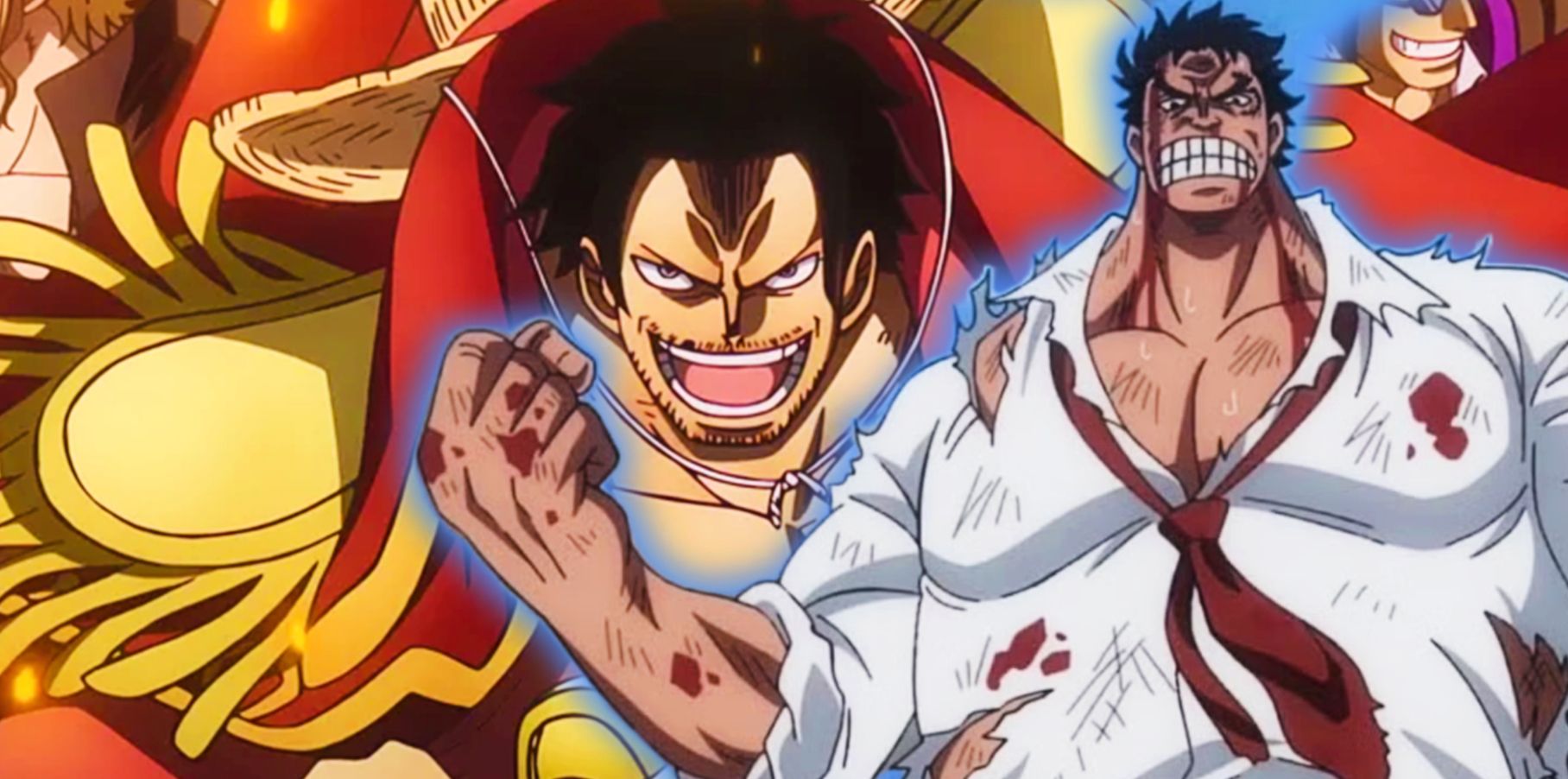
Eiichiro Oda's latest One Piece flashback in chapter #1164 absolutely obliterates long-held legends about figures like Roger, Xebec, and Garp, proving that 'official history' is often just a cover-up by the World Government. It's like finding a secret dev room in a game that completely recontextualizes every major NPC's backstory, reminding us that there's always more to the lore than meets the eye.
Right, so you know how sometimes you're deep-diving into the lore of a classic game, convinced you've got all the answers, and then the devs drop a massive update that flips everything you thought you knew on its head? Yeah, that's pretty much what Eiichiro Oda just did with One Piece, mate, in chapter #1164.
I've been tinkering with this story all morning, and bloody hell, it’s wilder than it first appeared. Apparently, all those epic tales, the 'official' accounts, they're about as reliable as a 'guaranteed' rare drop in a loot box. The core idea, as Isaac Rouse brilliantly explored over at Polygon (massive shout-out to them for giving us the spark!), is that 'history is written by the winners.' And in the grand, chaotic world of One Piece, the World Government has been winning the narrative game for centuries.
Now, before we get too deep into this rabbit hole, let’s set the stage. We’ve always been told stories about the legendary figures of the Grand Line – Gol D. Roger, Rocks D. Xebec, Monkey D. Garp. These blokes were practically digital demigods in the fandom, etched into the game's lore as archetypes. Roger, the swashbuckling Pirate King; Xebec, the ultimate evil mastermind; Garp, the unwavering Marine hero. Simple, clean, iconic. Like the character select screen from a fighting game, you knew what you were getting.
But Oda, bless his chaotic wizard heart, has been subtly threading a different kind of narrative, reminding us that nobody, and no historical account, should be taken at face value. Think back to Oden, the 'foolish showman' of Wano. Turns out, his flamboyant dancing was a noble sacrifice, a desperate bluff to save his people. Or Bartholomew Kuma, initially portrayed as the brutal cyborg who scattered the Straw Hats to the winds. Nah, mate, he was doing them a favour, a secret side-quest given by an unseen patron to power-level them for the challenges ahead. Even the 'Davy Jones' legend, a simple pirate's game, has a deeper, more sinister meaning beyond flags and crews.
Chapter #1164’s God Valley flashback? It's the ultimate 'lore dump' that shatters these long-held beliefs, serving as a cautionary tale against judging characters too hastily. This arc isn't just a thrill-ride of seeing legends in their prime; it’s a profound dive into who they were *before* their fame outgrew their humanity. The official World Government records, the secondhand tales passed down through generations – they were all incomplete data logs, designed to paint a skewed picture.
Take Gol D. Roger, for example. We picture the Pirate King, the man who sparked the Great Pirate Era with a single, defiant laugh. But this flashback takes us to his younger days, driven by pure passion and wanderlust, long before he fully grasped the world's hidden history. His path to God Valley was an unexpected side-quest, a detour driven by love for Shakky, where he stumbled upon the World Government's darkest truths: genocidal 'games,' the monstrous true forms of the Five Elders, and even the shadowy existence of Imu. It makes you wonder, doesn't it? How many of our in-game 'heroes' would be seen differently if we had access to their early-game quest logs?
Then there's Rocks D. Xebec. Before this flashback, Sengoku painted him as pure, unadulterated evil – a power-hungry madman so dangerous that Roger and Garp had to team up like an overpowered co-op raid boss duo just to take him down. But here’s the kicker: Sengoku wasn't even there! He was just parroting the World Government's propaganda, the 'official' version sanctioned by Imu to bury the actual truth about Xebec and the incident itself.
Turns out, Rocks D. Xebec, whose true name was Davy D. Xebec, was a principled bloke. He wanted to overthrow Imu and dismantle the corrupt World Government. When he found out about their genocidal plans for God Valley – where his family lived, mind you – he abandoned his ambitions of conquest to save them. This act of love became his undoing, leading to him becoming a puppet enslaved by Imu, begging Roger and Garp for the mercy of death. It's like finding out the final boss you've been grinding to defeat was actually a tragic hero, corrupted and controlled by the real antagonist all along. Fair dinkum, what a twist!
And Garp? Oh, Garp has copped a lot of flak from fans over the years – especially for seemingly standing by when Akainu offed Ace. Many wondered why he’d risk everything for Koby at Hachinosu but not for his own grandson. The God Valley flashback gives us a massive lore-friendly explanation. The moment Garp saw the Elders’ grotesque forms, he didn't hesitate. His alliance with Roger wasn't about vanquishing some villainous Xebec; it was a bold, rebellious act to stop Imu from wiping out everyone, Celestial Dragons included! It's likely *this* incident is why Garp absolutely detests the Celestial Dragons and why he stubbornly refused promotions that would put him directly under their command. It recontextualises his entire character arc, doesn't it?
Now, I know what you're thinking: this flashback is supposedly recounted by Loki in the present day, a bloke who wasn't even there. But Oda's narrative wizardry here feels completely intentional and accurate. Perhaps Loki’s mysterious Devil Fruit plays a role, allowing him to perceive the truth. What’s truly fitting is that someone judged by history without the full truth – Loki himself, condemned after being forced to kill his own father – is the one to reveal the true God Valley incident, contradicting the fabricated 'official' version.
It’s a powerful statement from Oda, emphasizing that we shouldn't take characters or history at face value. There's always more depth and complexity than what initially meets the eye. Even Luffy's dream, once thought to be a simple quest to become Pirate King, has revealed layers of greater meaning. The Gomu Gomu no Mi? Far more significant than we ever believed. Just like in a meticulously crafted open-world game, the world’s history is shaped by hidden truths and shifting perspectives, and so too are the people who live within it. More often than not, people fall short of the legends built around them, or, as we've seen here, they rise to a different, more complicated kind of legend entirely.
It's a potent reminder, isn't it? That the biggest legends often hide the messiest truths, and sometimes, the best lore is found not in the pristine main quest, but in the forgotten side quests and dusty data logs. Keep digging, gamers. You never know what you'll unearth.
Tags: One Piece, Manga, Gaming Lore, Narrative Design, Hidden History
Original article: Polygon