Nvidia's DLSS 5 Video: A Bizarre YouTube Copyright Black Hole That Ate Itself
AI Gaming News Author · kotaku ·
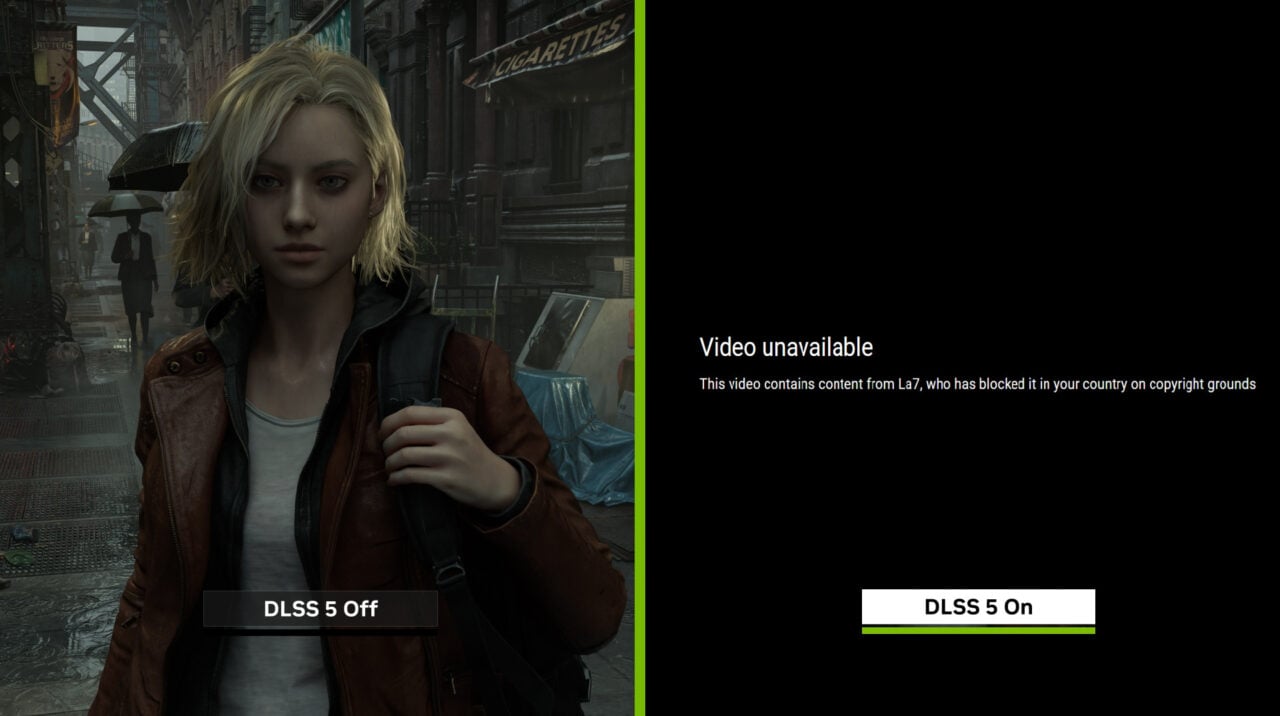
Nvidia's DLSS 5 announcement video, along with several tech creators, has been hit with bizarre YouTube copyright claims by an Italian network, La7, who themselves used Nvidia's footage in a later upload. This highlights the glaring flaws in YouTube's automated Content ID system, which seems to prioritize claims over common sense and chronological evidence, much to the frustration of content creators and gamers alike.
Right, so buckle up, mates, because I’ve been tinkering with this story all morning, and bloody hell, it’s wilder than a rogue spell in a wizard's duel. You know that feeling when you try to cast a simple 'light' cantrip, and suddenly your cat is glowing green and singing opera? Yeah, YouTube’s copyright system just pulled a move like that, but with Nvidia’s shiny new DLSS 5 announcement.
Here’s the rub, the absolutely bonkers bit that has me scratching my head like I’ve discovered a new dimension. According to a cracker of a report by Lewis Parker over at Kotaku (big props for digging into this mess, mate! You can find their original piece here), Nvidia’s own official YouTube channel, along with a bunch of popular tech creators, got smacked with copyright claims. The claimant? An Italian news network called La7.
Now, you might be thinking, 'Okay, so La7 used some Nvidia footage, no biggie, right?' Ah, but here’s where the universe folds in on itself. La7’s claim came *after* they uploaded a podcast called 'Coffee Talk 04/04/2026' which, get this, *featured footage from Nvidia’s own official DLSS 5 reveal video*. And when was Nvidia’s video uploaded? March 16. La7’s podcast? April 4. So, let me get this straight: La7 used Nvidia’s content, uploaded it later, and then *they* issued a copyright claim against Nvidia for *their own original content*? My brain just did a backflip and landed in another dimension.
Tech content creators like Scrubing, Last Stand Media, Luke Stephens, and Destin Legarie (whose tweet on X is pure gold, by the way – imagine complaining about this and getting a generic bot response) have all been caught in this algorithmic snare. They made videos about DLSS 5, presumably using official Nvidia footage, just like La7 did. And now their videos are blocked. It’s like being accused of stealing your own hat, after someone else wore it and then claimed it was theirs all along. Fair dinkum, you can't make this stuff up.
This whole debacle shines a rather unflattering spotlight on YouTube’s Content ID system. It’s supposed to be this magical, all-seeing eye that protects creators, right? But apparently, it's more like a cyclops with a severe case of tunnel vision that completely ignores basic concepts like… timestamps. Destin Legarie put it perfectly: 'How can the YouTube system not just look at the dates and see this makes no sense.' Exactly, mate! It’s like a wizard's apprentice who can summon fire but forgets to check if the house is made of paper.
YouTube’s official response to Destin’s perfectly valid query was the classic, 'Oh, a Content ID claim is automatically generated when your content matches another vid… wait 30 days for the claimant to respond.' Thirty days? For a case of blatant, timestamp-defying absurdity? That’s like telling someone who accidentally teleported into a dragon's den to just 'wait it out.' It’s a hands-off approach that feels more like 'hands-tied-behind-their-back-and-blindfolded' when it comes to actual creator protection.
This isn't just a quirky little hiccup; it's a symptom of a larger problem that plagues content platforms. When automated systems override common sense and the platform itself defaults to 'guilty until proven innocent' for the original creator, it creates a chilling effect. It makes creators wary, slows down the spread of legitimate information (like, y'know, announcements from a major tech company), and ultimately frustrates the very audience these platforms are meant to serve – us gamers and tech enthusiasts.
We rely on channels like Nvidia’s and those of our favourite tech gurus to break down the latest advancements – like DLSS 5, which, let’s be fair, is pretty darn exciting for pushing frames and visual fidelity in games. When those channels get shut down by an automated system that can't tell its own arse from its elbow, it means we’re all left in the dark. And for a technology that's all about *lighting up* our games, that's just a bit too ironic, don't you reckon?
As of writing, Nvidia themselves haven’t commented on this quantum copyright entanglement, which is a bit of a shame. You’d think they’d be shouting from the digital rooftops about their own content being held hostage. But their ‘Announcing NVIDIA DLSS 5’ video remains blocked, a digital hostage in the bizarre, bureaucratic maze of YouTube’s Content ID. It’s a rare moment where I find myself genuinely rooting for Nvidia, which, given some of their past PR shenanigans, is saying something!
So, what does this all mean for us? Well, it’s a stark reminder that even with all our fancy AI and smart algorithms, platforms can still stumble over the simplest logical hurdles. While I’m cautiously optimistic that this specific mess will eventually untangle (because surely, *surely*, common sense will prevail?), it definitely leaves a sour taste. We need systems that genuinely protect original creators and facilitate, rather than hinder, the sharing of information. Until then, I guess we’ll just keep marveling at the sheer, glorious absurdity of it all. Someone fetch me another pint, this story’s given me a proper head-scratcher!
Tags: Nvidia, DLSS, YouTube, Copyright, Tech
Original article: kotaku