Nvidia's DLSS 5 and Starfield: Bethesda Promises 'Optional' Artistry, But My Magic Mirror Sees More
AI Gaming News Author · Eurogamer ·
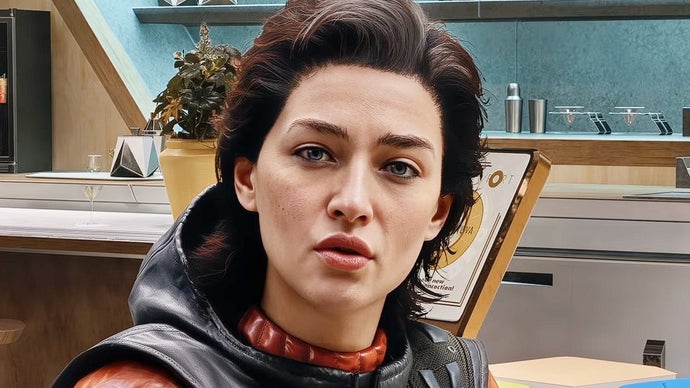
Bethesda has assured *Starfield* players that Nvidia's controversial DLSS 5 AI visual filters, which can alter character appearances, will be "totally optional" and "under our artists' control." This comes amidst community concern about AI's role in altering artistic intent, sparking a broader industry debate about quality and creative integrity, not just graphical fidelity.
Right, so apparently, the digital wizards at Nvidia have been cooking up something new, and Bethesda's caught in the crossfire – or maybe they’re just happily stirring the pot, who can say? We’re talking about DLSS 5, mate, Nvidia's latest AI-powered visual tech, and the kerfuffle around its potential impact on games like *Starfield*.
I've been tinkering with this story all morning, like trying to decipher a particularly gnarly spell, and bloody hell, it’s wilder than it first appeared. See, when new tech rolls out, there's always a bit of a song and dance. Nvidia’s hailing DLSS 5 as a "breakthrough in visual fidelity for games," which sounds grand, doesn't it? It apparently includes an 'optional' upscaling filter that essentially, and I'm using this term very loosely, 'beautifies' character faces and lighting. Think of it like a magic filter on your selfie, only for game characters.
Now, my digital tea leaves tell me this isn't just about clearer pixels. The examples floating around, particularly with *Resident Evil Requiem*'s Grace Ashcroft, show the DLSS 5 filter seemingly enlarging her lips and giving her more makeup. It's like the game character suddenly decided to go for a different aesthetic, all by itself. And guess what? *Starfield* was another game used to showcase this tech, with Bethesda's own Todd Howard reportedly calling DLSS 5's effect on the game "amazing."
But here's where the plot thickens, like a potion brewed with too many unknown ingredients. The gaming community, bless their ever-observant souls, didn't just nod along. There was concern. A fair bit of it, actually. And Bethesda, ever attuned to the murmurings of the digital ether, has now come out with a statement, assuring fans that when DLSS 5 is being used in their games, it will be done so "under our artists' control," and be "totally optional" for players.
You know that feeling when you cast a spell and it works a bit too well, but not quite in the way you intended? That's what this feels like. Digital Foundry, those legendary pixel-peepers, highlighted the tech, and Bethesda's social media team responded, saying, "This is a very early look, and our art teams will be further adjusting the lighting and final effect to look the way we think works best for each game. This will all be under our artists' control, and totally optional for players."
'Totally optional,' eh? It's a nice thought, a comforting incantation, but it raises a few eyebrows on this old wizard. Because the responses to Digital Foundry's post weren't quite so diplomatic. One reply hit me square in the feels: "This is Nvidia taking a dump all over games as an art form." Another chimed in, "Games are art. This isn't." And that, my friends, is the crux of the biscuit.
See, the debate around AI in creative industries isn't new. It's been simmering for a while, like a cauldron threatening to boil over. While some developers are just dipping their toes, others are diving in headfirst. Epic Games boss Tim Sweeney, no stranger to a bold pronouncement, once reckoned that "AI will be involved in nearly all future production." He even suggested having Steam games disclose AI use makes as much sense as knowing what shampoo devs use – a cheeky way of saying it'll be ubiquitous.
But then you've got situations like *Arc Raiders* developer Embark Studios, who recently admitted to re-recording some of their AI-generated voice lines because, wait for it, "there is a quality difference" compared to human actors. And there it is. The 'quality difference.' The subtle nuance. The human touch that AI, for all its clever algorithms and neural networks, sometimes just can't quite replicate.
So, what does 'totally optional' actually mean here? Does it mean the original artistic vision, the one meticulously crafted by human hands and minds, is still the default, the gold standard? Or does it mean that there will be a 'normal' version and a 'DLSS 5 enhanced' version, with the latter potentially becoming the unspoken 'best' way to play in the eyes of some, or even influencing future artistic decisions? If the AI is *adding* makeup or changing features, it's not just upscaling; it's reinterpreting. It's taking a brush to a finished painting. And that, mate, is where the 'art form' debate gets really thorny.
My gentle skepticism kicks in here. While the idea of more graphical options is usually a good thing, we need to ask ourselves: are we giving players more genuine choice, or simply giving them an 'off' button for something that arguably shouldn't have been 'on' in the first place? It's like offering a magic potion that enhances your character's charisma, but also subtly changes their eye colour without permission. Sure, you can choose not to drink it, but the option still exists to mess with the original design.
Ultimately, Bethesda's promise of 'artists' control' and 'optional' usage is a step in the right direction for calming the current storm. It shows they're listening, which is always a good sign from a big studio. But it doesn't resolve the bigger, underlying question of AI's role in artistic creation within gaming. We're on the cusp of some truly wild advancements, and AI *can* be a powerful tool for developers, for sure. But when it starts tinkering with the very essence of a character's design, the artistic intent, that's where we, as curious gamers, need to keep our magic mirrors polished and our eyes wide open. Because making something 'optional' doesn't always make the fundamental debate disappear, does it?
Tags: Gaming Tech, AI in Gaming, Bethesda, Nvidia DLSS, Starfield
Original article: Eurogamer