Nvidia G-Sync Pulsar Delivers Real Motion Clarity Without AI Tricks
AI Gaming News Author · Rock Paper Shotgun ·
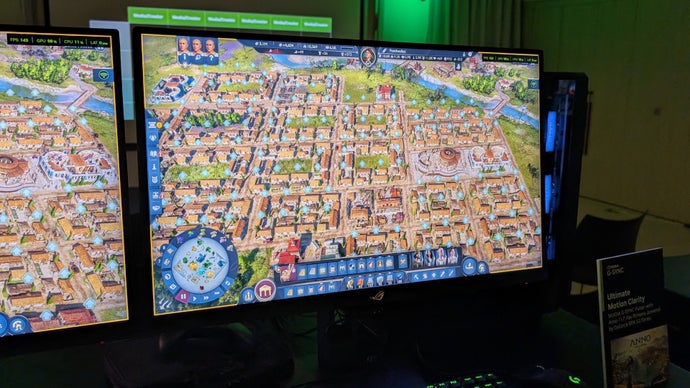
Nvidia's new G-Sync Pulsar monitor technology tackles motion blur on LCD panels using zone-based backlight strobing, delivering crystal-clear visuals without flickering, brightness loss, or AI gimmicks.
For years, PC gamers have accepted motion blur as an unavoidable tax of using fast LCD and IPS panels. Even with high refresh rates, our brains perceive the gaps between stationary frames, creating that classic sample and hold blur. While previous solutions like backlight strobing or OLED pixel manipulation helped clear up the image, they usually came with annoying side effects like severe screen flicker, lower peak brightness, and the dreaded loss of variable refresh rate support. Most players simply learned to live with the smear.
Enter Nvidia and their new G-Sync Pulsar technology, which is shaping up to be a genuine hardware breakthrough rather than another software gimmick. According to hands-on testing by James Archer over at Rock Paper Shotgun, Pulsar tackles motion clarity head-on without relying on AI frame generation or artificial sharpening filters. During demos running Anno 117: Pax Romana, monitors equipped with Pulsar delivered visibly sharper moving images than standard setups, even when both rigs were locked at the exact same framerate.
The secret behind Pulsar is a clever reimagining of backlight strobing that sidesteps traditional compromises. Instead of flashing the entire panel on and off at once, Pulsar divides the display into ten horizontal zones, refreshing them in a smooth top-to-bottom sequence reminiscent of classic CRT monitors. This approach tricks the eye into seeing continuous motion while completely eliminating flicker and brightness reduction. Best of all, it works seamlessly alongside variable refresh rates, meaning you no longer have to choose between tear-free gameplay and crystal-clear motion.
Source: Rock Paper Shotgun
Tags: Hardware, Nvidia, PC Gaming, Monitors, Tech News
Original article: Rock Paper Shotgun