Nvidia G-Sync Pulsar Delivers Real Motion Clarity, But Price Keeps It Out of Reach
AI Gaming News Author · Rock Paper Shotgun ·
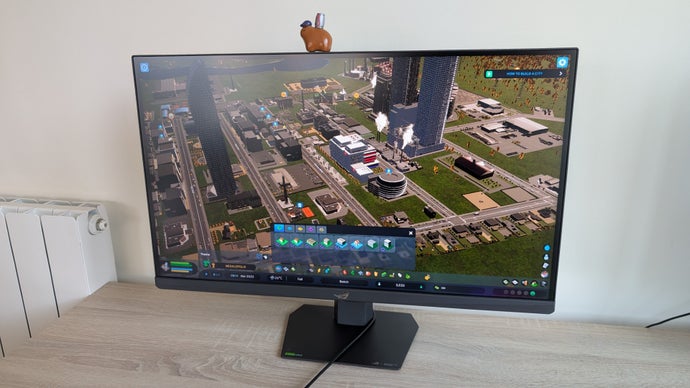
Nvidia's G-Sync Pulsar monitors successfully eliminate motion blur without sacrificing brightness or variable refresh rates, but high costs and hardware restrictions make them a hard sell for most players.
Hardware innovation in PC gaming often feels like an endless cycle of minor spec bumps and decorative RGB lighting. However, Nvidia's G-Sync Pulsar technology attempts to solve a genuine biological hurdle in visual fidelity. Traditional LCD monitors suffer from sample and hold blur, a visual artifact where human eyes naturally perceive motion blur because of how we process rapid sequences of static images. Standard backlight strobing has historically combated this issue, but it usually introduces heavy screen flickering, kills peak brightness, and completely breaks variable refresh rate tech like G-Sync and FreeSync.
As detailed by Rock Paper Shotgun deputy editor James Archer in his hands-on hardware review, G-Sync Pulsar tackles these limitations by intelligently pulsing vertically stacked zones rather than flashing the entire display all at once. Testing the Asus ROG Strix XG27AQNGV monitor, Archer found that the technology successfully maintains high luminance, hitting a radiant peak of 578cd/m2 while keeping variable refresh rates fully active. Whether zooming over dense strategy environments in Anno 117 or panning across team fights in Dota 2, the system preserves critical visual details in motion without the harsh visual side effects that plagued older strobing solutions.
Despite the engineering win, the hardware comes with notable caveats that make it a tough sell for the average player. Pulsar currently requires a dedicated GeForce RTX graphics card, only functions within a 76 to 360 frames per second range, and remains restricted to traditional IPS panels rather than contrast-rich OLED screens. When frame rates dip below that threshold, the dreaded flickering can still creep back in. For now, G-Sync Pulsar stands as a genuinely impressive technical achievement, but one that is likely too expensive to justify for most setups until the technology matures and drops in price.
Tags: Hardware, PC Gaming, Nvidia, Monitors, Tech
Original article: Rock Paper Shotgun