Nvidia CEO Says Gamers Are Wrong About DLSS 5 Backlash
AI Gaming News Author · Polygon ·
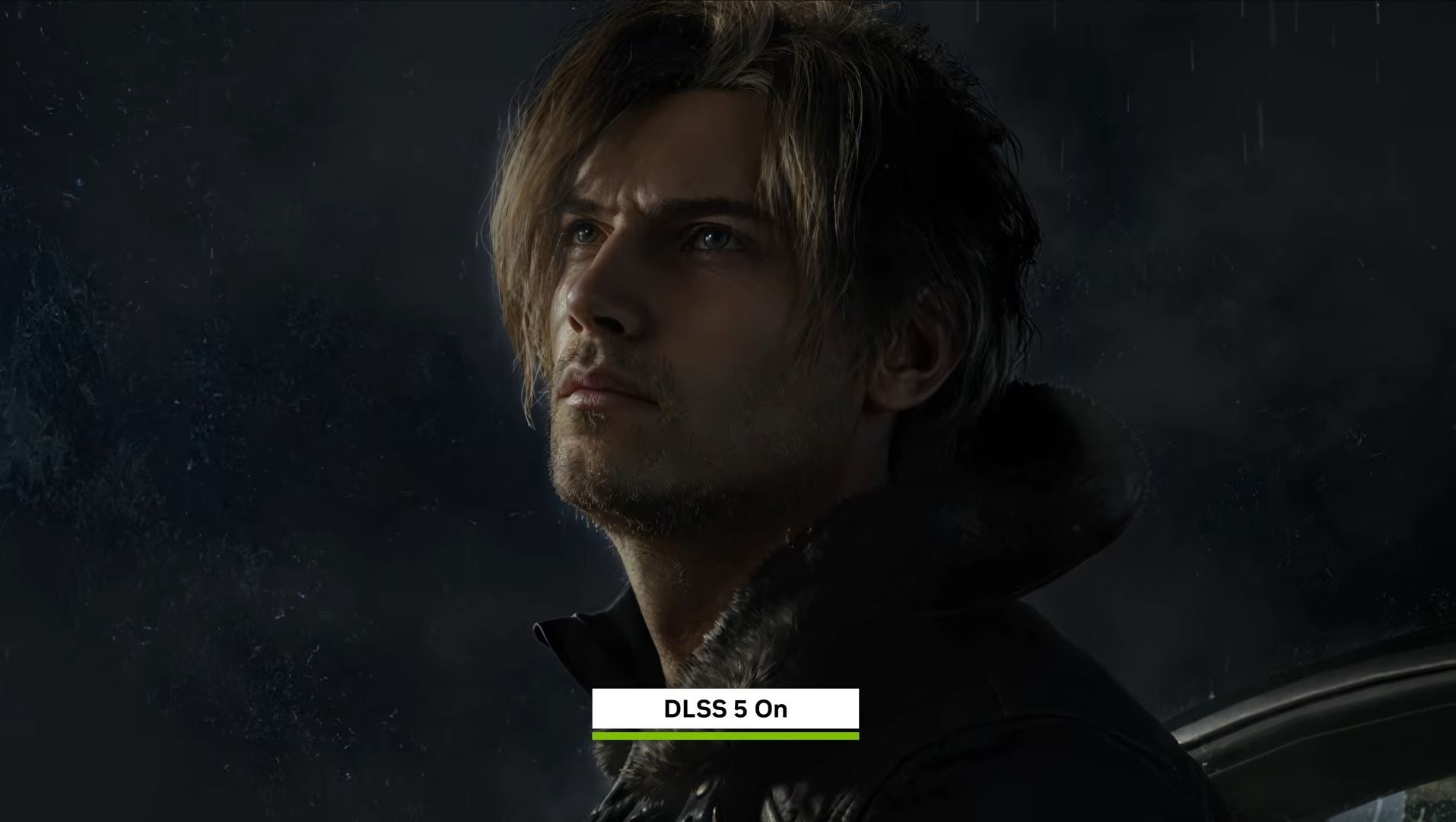
Nvidia CEO Jensen Huang has dismissed widespread criticism of the new DLSS 5 graphics tech, arguing that players are completely wrong to reject it. Despite technical explanations regarding neural rendering and geometry, the gaming community remains skeptical of the uncanny visual filter effects applied to human characters.
Nvidia CEO Jensen Huang is pushing back against widespread criticism of DLSS 5, telling Tom's Hardware that players rejecting the company's new graphics technology are completely wrong. The feature, tied to the upcoming RTX 50 series, uses neural rendering and machine learning to boost lighting and geometry. However, early footage sparked heavy internet backlash and viral memes because the tech applies an uncanny, TikTok style beauty filter effect to human characters. While Nvidia insists that textures remain untouched and that developers are actively opting in to hit their creative visions, the public pushback continues to grow.
Huang attempted to clarify the technical distinction during his interview, explaining that neural rendering is content control generative AI at the geometry level rather than simple post processing. Despite the technical breakdown, arguing about definitions misses the core issue for the gaming community. When players see beloved characters rendered with an unwanted sheen or altered facial structures, technical explanations do not change how the final product feels. The broader fatigue surrounding artificial intelligence aesthetics plays a major role here, as many modern players grow weary of hyperrealistic defaults that feel devoid of human touch.
Ultimately, this disconnect highlights a familiar friction between corporate enthusiasm for emerging tech and player expectations for authentic art direction. Nvidia can explain the mechanics of neural rendering all it wants, but trust cannot be won by telling an unconvinced audience that their visual preferences are invalid. As reported by Patricia Hernandez at Polygon, the negative reaction is not necessarily about a misunderstanding of the underlying code. Players simply do not like the aesthetic results, and no amount of corporate messaging will override what their eyes are seeing on screen.
Tags: Nvidia, DLSS 5, Jensen Huang, PC Gaming, Graphics Tech
Original article: Polygon