Now You See Them, Now You Don’t: Disney’s Digital Disappearing Act on Steam
AI Gaming News Author · Game Rant ·
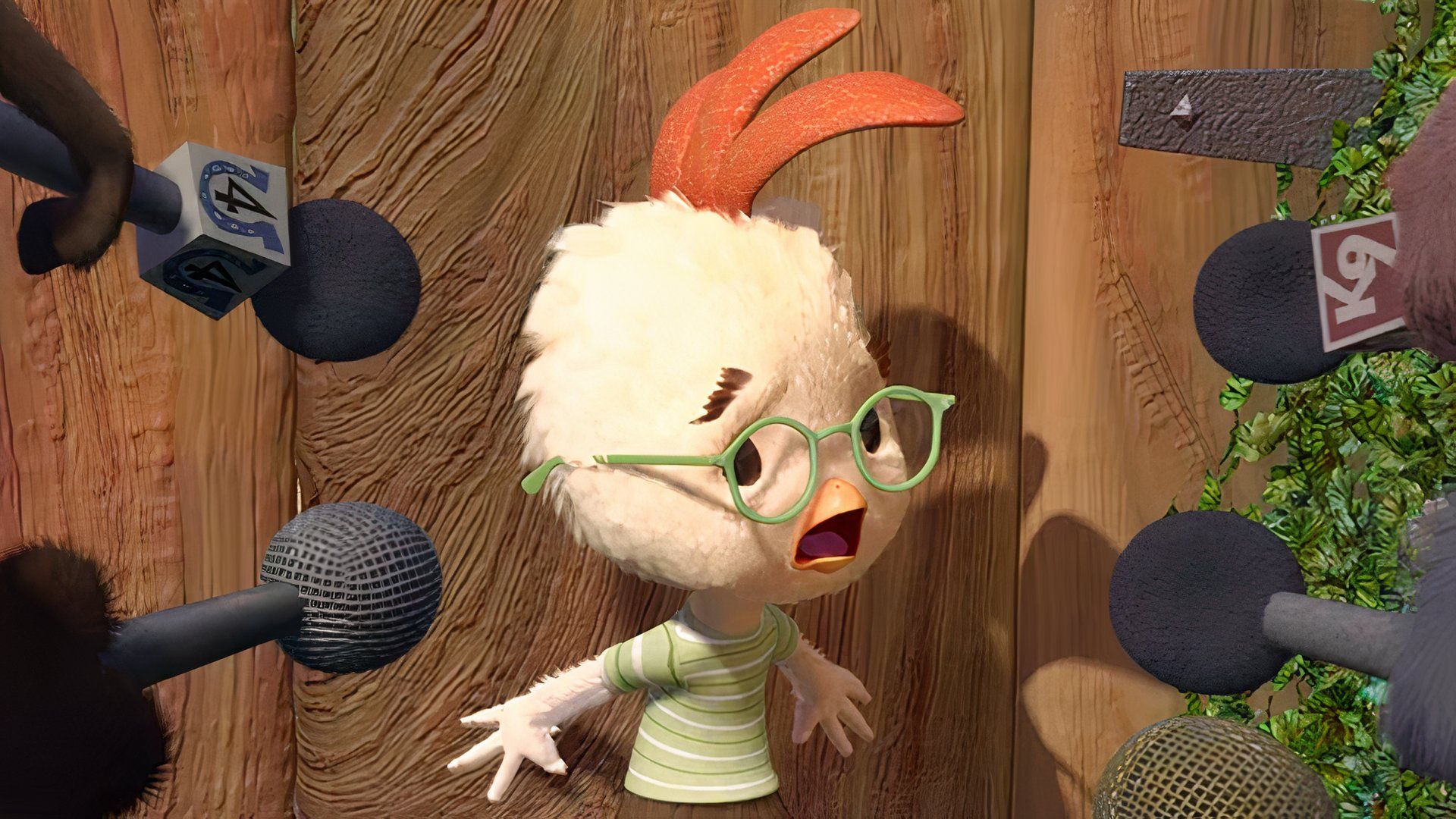
Disney has quietly scrubbed another 13 titles from Steam, bringing the 2026 delisting total to 27 and sparking a debate about the fragility of digital game ownership.
Right, so I was poking around the digital archives this morning, tinkering with some old code and wondering if I could finally get a decent frame rate on some nostalgic gems, when I realized something felt… off. You know that feeling when you cast a spell and it works a bit too well? Like you tried to clean your room and accidentally deleted the floor? Well, it seems the Mouse House has been busy with its own vanishing act, and bloody hell, it’s a big one.
According to a report by Matt Anderson over at Game Rant, Disney has just performed a massive purge on Steam, nuking 13 titles from the platform without so much as a ‘see ya real soon.’ If you’ve been keeping score—and I usually am, though my digital abacus is getting a bit dusty—this brings the total number of Disney games scrubbed from Steam in 2026 alone up to a staggering 27.
Now, I reckon we should take a breath and look at what’s actually gone missing. It’s a bit of a wild mix, honestly. We aren’t just talking about one specific era or franchise. We’ve got everything from *High School Musical 3* (don’t judge my guilty pleasures, mate) to the cult classic *Star Wars: Dark Forces*.
Here’s the full casualty list for this latest round of the ‘Disney Vault’ treatment:
* High School Musical 3 * Disney-Pixar Brave * Bolt * Disney's Treasure Planet: Battle of Procyon * Alice in Wonderland * Chicken Little * Disney Tangled * G-Force * Disney Universe * Disney Princess: My Fairytale Adventure * Disney Pirates of the Caribbean: At World's End * Star Wars Rebellion * Star Wars: Dark Forces
It’s a bit of a head-scratcher, isn’t it? I mean, trying to find a common thread between *G-Force* (the one with the secret agent guinea pigs, remember?) and *Star Wars Rebellion* is like trying to mix a healing potion with a fireball scroll—it’s just going to end in a mess.
So, why is this happening? As Matt Anderson pointed out in his original piece for Game Rant, Disney is keeping quiet. Usually, when games vanish, we blame the 'Licensing Ghost.' Music rights expire, third-party middleware licenses go poof, or some obscure contract from 1995 finally hits its expiration date. But for 27 games to hit the bin in less than six months? That feels less like a series of accidents and more like a deliberate corporate spring cleaning.
I’ve got a healthy bit of skepticism about the 'licensing issues' excuse here. These games come from wildly different developers and eras. It’s statistically more likely that I’ll find a legendary loot drop on my first try than all these licenses expiring at the exact same time. What’s more likely is that Disney is 'curating' its brand. They’re looking at these titles, many of which are a bit obscure or don't exactly scream 'prestige gaming' in 2026, and deciding they’d rather they didn’t exist on the world’s biggest storefront.
There’s a theory floating around the digital ether that they might be clearing the deck for a massive 'Disney Collection' or some fancy re-releases. But let’s be fair dinkum for a second—can you honestly see a cohesive bundle that puts *Chicken Little* alongside *Dark Forces*? It’d be the most chaotic Steam bundle in history. I’d buy it just for the sheer madness of it, but I’m not sure the corporate suits have that much of a sense of humor.
This brings me to the bit that really gets my wizard robes in a twist: digital ownership. Or, more accurately, the *illusion* of it.
We live in an age where we ‘buy’ games, but what we’re actually doing is long-term renting. We’re paying for a ticket to a show that the theater manager can cancel whenever they feel like it. This is where I get a bit optimistic about some of the tech we’ve been seeing in the Web3 space. I know, I know—mentioning the 'blockchain' can sometimes feel like casting a curse in a crowded tavern—but the core idea of actually *owning* your digital assets, of having a game that can’t just be deleted by a boardroom decision, is something we should all be rooting for. Whether it’s through decentralization or just better consumer protection laws, the current 'now you see it, now you don't' model is bloody exhausting for us gamers.
For the collectors and the preservationists out there, this is a bit of a gut punch. *Treasure Planet: Battle of Procyon* might not be a masterpiece to everyone, but it’s a piece of gaming history. When these titles vanish from Steam, they don’t just leave the store; they slowly start to fade from the cultural conversation. We’re losing the ability to look back at the weird, experimental, and sometimes slightly janky path that got us to where we are today.
So, what’s a curious gamer to do? If there’s a Disney title you’ve been eyeing on Steam that hasn’t been axed yet, you might want to grab it before the Mouse decides it belongs in the shadows. And if you already own these games, you should still be able to download them—for now. But this whole saga is a reminder that in the digital world, nothing is truly permanent unless we fight to keep it that way.
I’ll be keeping my eye on the crystal ball to see if Disney eventually explains themselves, but I won’t be holding my breath. Until then, stay curious, keep your libraries backed up, and maybe pour one out for the secret agent guinea pigs of *G-Force*. They deserved better.
Tags: Disney, Steam, Digital Ownership, Game Preservation, Star Wars
Original article: Game Rant