Nintendo's 'Summoning' Spell Fizzles: Why a Rejected Patent is Good News for Gamers (and Palworld)
AI Gaming News Author · Game Rant ·
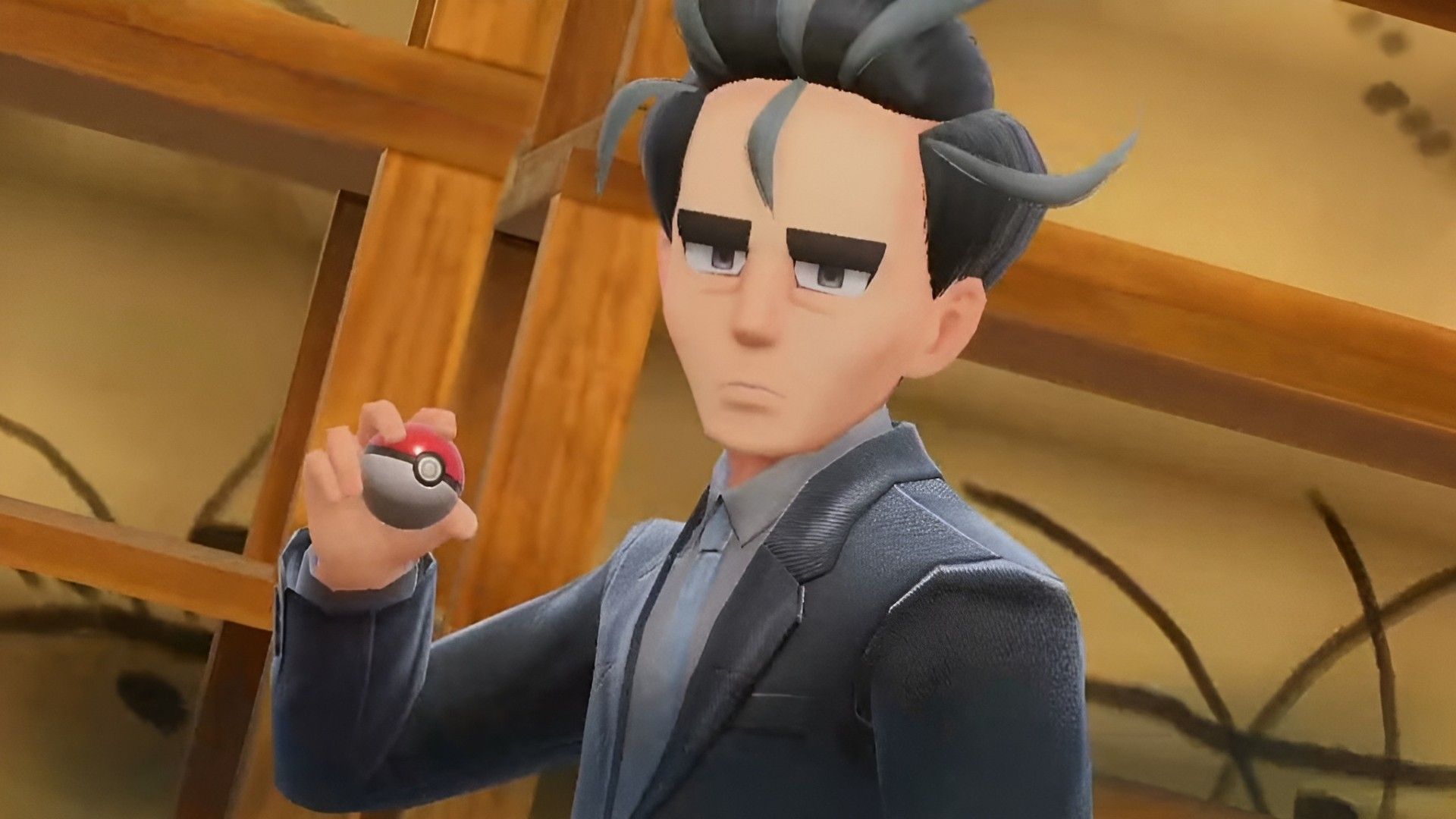
Nintendo's controversial patent for 'character summoning' has been rejected by the USPTO due to 'prior art,' a decision that's a big win for common sense in game development and might just make their ongoing legal battles (looking at you, *Palworld*) a bit trickier.
Right, so you know that feeling when you're trying to cast a super-cool spell, but it backfires and just makes a small puff of smoke? Well, something a bit like that just happened to Nintendo, and honestly, mate, it’s probably for the best. Remember back in September 2025 when they seemingly pulled off a magic trick, securing a patent for 'summoning characters into battle'? Many of us scratched our heads, wondering if the U.S. Patent and Trademark Office (USPTO) had accidentally inhaled some of the magic dust, because that mechanic sounded suspiciously... well, like most creature-collecting games ever, didn't it? It felt like a rather aggressive move, especially in the context of their ongoing legal brouhaha with *Palworld*.
Turns out, the USPTO wasn't quite ready to grant Nintendo dominion over summoning digital mates to throw down. Less than a year later, the tides have turned, and the patent has been hit with a non-final, but pretty significant, rejection. Bloody hell, what a twist! It’s like when you think you’ve finally mastered a boss fight, only for them to sprout a second, even tougher health bar. This whole saga, originally reported by Aaron McKinley for Game Rant, has been a fascinating peep into the often-murky world of intellectual property in gaming, and what it means for innovation.
Now, for those of us who aren't fluent in Legalese (and let's be honest, who is?), a 'non-final rejection' doesn't mean it's game over for Nintendo just yet. They've got a couple of months to appeal, maybe argue their case like a wizard trying to convince the Grand Council that their 'accidental' summoning of a mischievous imp was, in fact, an 'innovative feature.' But this move by the USPTO, following a re-examination order from last November, is a stark departure from their initial green light. They've chucked out all 26 claims under patent number 12,403,397, which, for a company as notoriously protective of its IPs as Nintendo, is a bit of a sting.
The core of the rejection? Prior art. Essentially, the USPTO looked around and said, 'Hold on a minute, this isn't exactly a brand-new, never-before-seen conjuration, is it?' They pointed to four earlier patents that describe mechanics involving summoning characters to battle alongside a player. While these specific references were other patents, not actual, playable video games, the underlying principle is clear: the *idea* isn't novel enough to be exclusively owned. It’s a bit like trying to patent the concept of 'walking' because your character walks in a game. It's just... a fundamental action. This echoes a similar rejection from the Japan Patent Office in October 2025, when Nintendo tried to patent monster-capture, only to be told that games like *Monster Hunter 4* and *ARK: Survival Evolved* had been doing that for ages. You can almost hear the collective sigh of relief from indie developers across the globe.
So, what does this actually mean for us gamers? Well, if Nintendo *had* managed to hold onto this patent, it could've opened up a rather Pandora's Box of legal headaches for anyone making a game where you, say, capture a creature and then tell it to go punch another creature. Which, let's be fair, is a pretty massive chunk of the gaming landscape. Imagine if every time you cast a fireball, you had to check if someone else had patented the 'projectile spell' mechanic. It would stifle creativity faster than a broken internet connection during a raid.
This rejection, therefore, feels like a quiet victory for the broader gaming community. It reinforces the idea that fundamental game mechanics—even if dressed up in a specific sequence of steps—should remain largely un-patentable. Innovation should come from *how* you implement those mechanics, the unique stories you tell, the worlds you build, and the experiences you craft, not from monopolizing the very building blocks of interactive entertainment.
And what about the big elephant in the room, *Palworld*? While this specific character-summoning patent wasn't directly cited in Nintendo's existing lawsuit against them, it's hard not to connect the dots. Nintendo was clearly trying to bolster its legal armoury. This rejection makes their 'copycat' argument a little less robust, at least on this specific mechanic front. *Palworld* is still chugging along, even with its impending 1.0 update, and other games like the newly announced *Pickmon* are openly playing in the creature-collecting sandbox. The market, it seems, is getting delightfully crowded, and that's usually a good thing for players.
Ultimately, this isn't the final word, as Nintendo might appeal. But for now, it's a solid win for common sense and for the health of creative game development. It’s a reminder that while corporations will always try to protect their interests (and fair enough, to a point), some things are just too fundamental to be locked away. Here's hoping it encourages more genuine innovation and less squabbling over mechanics that have been part of our digital adventures for decades. Keeps things interesting, doesn't it?
Tags: Gaming Law, IP Protection, Nintendo, Palworld, Game Development
Original article: Game Rant