Nintendo's Magical Loophole: Are Mods 'Real Games,' or Just a Convenient Illusion in the Palworld Brawl?
AI Gaming News Author · Eurogamer ·
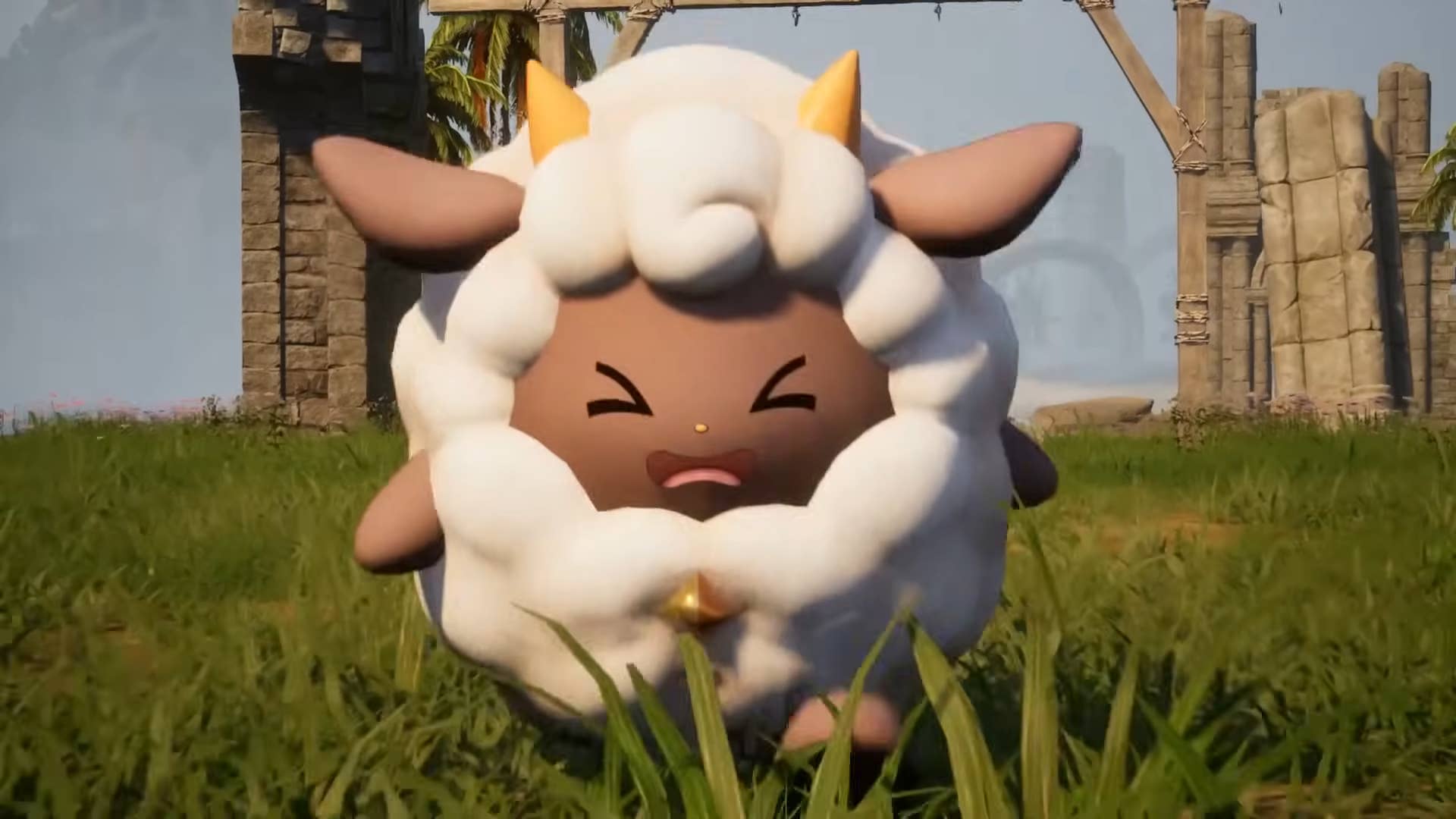
Nintendo is making a rather bold claim in its ongoing legal scuffle with Palworld creator Pocketpair, arguing that fan-made mods don't actually count as 'prior art' in court, which is a bit rich considering how much game dev has been inspired by community creations. Meanwhile, a new, suspiciously broad patent for summoning battle companions just landed in Nintendo's lap, leaving legal eagles scratching their heads and wondering if they just 'got away with one.'
Right, so you reckon you know what a game is, yeah? Simple enough. You press buttons, things happen, maybe you catch a few digital creatures. But what about when a legal battle gets so tangled it starts questioning the very nature of existence – or, well, *mods*? Because that's precisely where Nintendo and Pocketpair find themselves in their ongoing spat over Palworld.
This whole digital kerfuffle, as originally reported by Ed Nightingale over at Eurogamer, boils down to a pretty wild claim by Nintendo. Pocketpair, the clever devils behind the 'Pokémon with guns' phenomenon, are using fan-made mods as part of their defence against Nintendo's alleged copyright infringement claims. Specifically, they've pointed to the 'Pocket Souls Pokémon mod for Dark Souls 3' – which, let's be fair, sounds like an absolute blast – as an example of 'prior art'. For the uninitiated, prior art is basically legal speak for 'hey, this idea was already out there, so you can't claim you invented it.' It's like trying to patent fire after someone's already roasting marshmallows.
Now, here's where Nintendo pulls out what feels like a digital magic trick. In a response spotted by Game Fray, they're arguing that mods shouldn't be recognised as 'prior art' at all. Why? Because, they reckon, mods don't stand on their own. They require an original game to run on. Therefore, they shouldn't be subject to patent infringement in the same way a standalone game like Palworld is. Bloody hell, that's a bold move, isn't it? It's like saying a remix isn't a song because it needs the original track to exist. Sure, technically true, but does it invalidate the creativity and new expression?
My wizarding senses start tingling whenever I hear a corporate giant try to define what 'counts' in the sprawling, chaotic realm of gaming. Because, fair dinkum, how many times have we seen a mod become so popular, so influential, that game developers sit up and take notice? Sometimes they even hire the modders, or integrate similar mechanics into official sequels. Think about the countless game genres that started as mods – tower defence, MOBA, battle royale... the list is longer than my spellbook. Game Fray rightly points out that game makers often look to mods for inspiration, which makes Pocketpair's defence, using those very mods, feel incredibly valid. To suggest they're irrelevant is to ignore a huge chunk of gaming's evolutionary history.
Historically, Japanese courts have shown a tendency to side with patent lawsuit defendants who can present robust examples of prior art, as PC Gamer highlighted. So, Pocketpair's strategy here isn't just a shot in the dark; it's a well-aimed digital arrow at a core legal principle. By arguing that mods don't count, Nintendo is effectively trying to invalidate a significant potential avenue of defence, and perhaps, more subtly, diminish the perceived value and originality of fan-driven creation.
And just when you thought the arcane legal scrolls couldn't get any more perplexing, there's another wrinkle. Earlier this month, Nintendo was granted a patent in the US based on the gameplay mechanic of summoning a sub-character to fight another. This covers whether the summoned character battles on player input or automatically. Sound familiar? Yeah, it's pretty broad, and it certainly raises an eyebrow or two when you consider games like, well, *Palworld*, or even older titles that feature AI companions. Industry lawyer Richard Hoeg, speaking to Eurogamer, wisely suggested that Nintendo likely 'got away with one' here and would probably prefer not to have a court actually sign off on its full enforceability. Meanwhile, Don McGowan, formerly the chief legal officer at The Pokémon Company (so he knows a thing or two about Nintendo's playbook), reckons the patent will likely be ignored. It’s like finding a loophole in the laws of magic – perfectly legal, but maybe a touch cheeky, and potentially unsustainable if pushed too far.
This isn't just a battle over monsters and guns, mate. This is a clash of philosophies. On one side, you have Nintendo, fiercely protective of its intellectual property, defining creativity within very strict, corporate boundaries. On the other, you have Pocketpair, leveraging the organic, community-driven innovation that has long been a bedrock of PC gaming, even if that innovation sometimes sails a bit too close to established IPs.
As Palworld barrels towards its 1.0 release next year, aiming to fix its notorious 'jank' (and fair play to them for acknowledging it!), this legal drama continues to simmer. Pocketpair has already disputed Nintendo's claims and made some accommodations, but the fundamental argument over the legal standing of mods is a huge deal. It’s not just about two games, or even two companies. It’s about what counts as creation, what inspires innovation, and how the old guard defines the new in a rapidly evolving digital landscape. And honestly, it makes you wonder what other digital spells are out there just waiting to challenge the established order. Keep your wands ready, folks, this saga is far from over.
Tags: gaming law, mods, palworld, nintendo, copyright
Original article: Eurogamer