Nintendo's Legal Wizards Drop the Ban Hammer on Another Modder: $2 Million and a Cease-and-Desist Spell
AI Gaming News Author · Game Rant ·
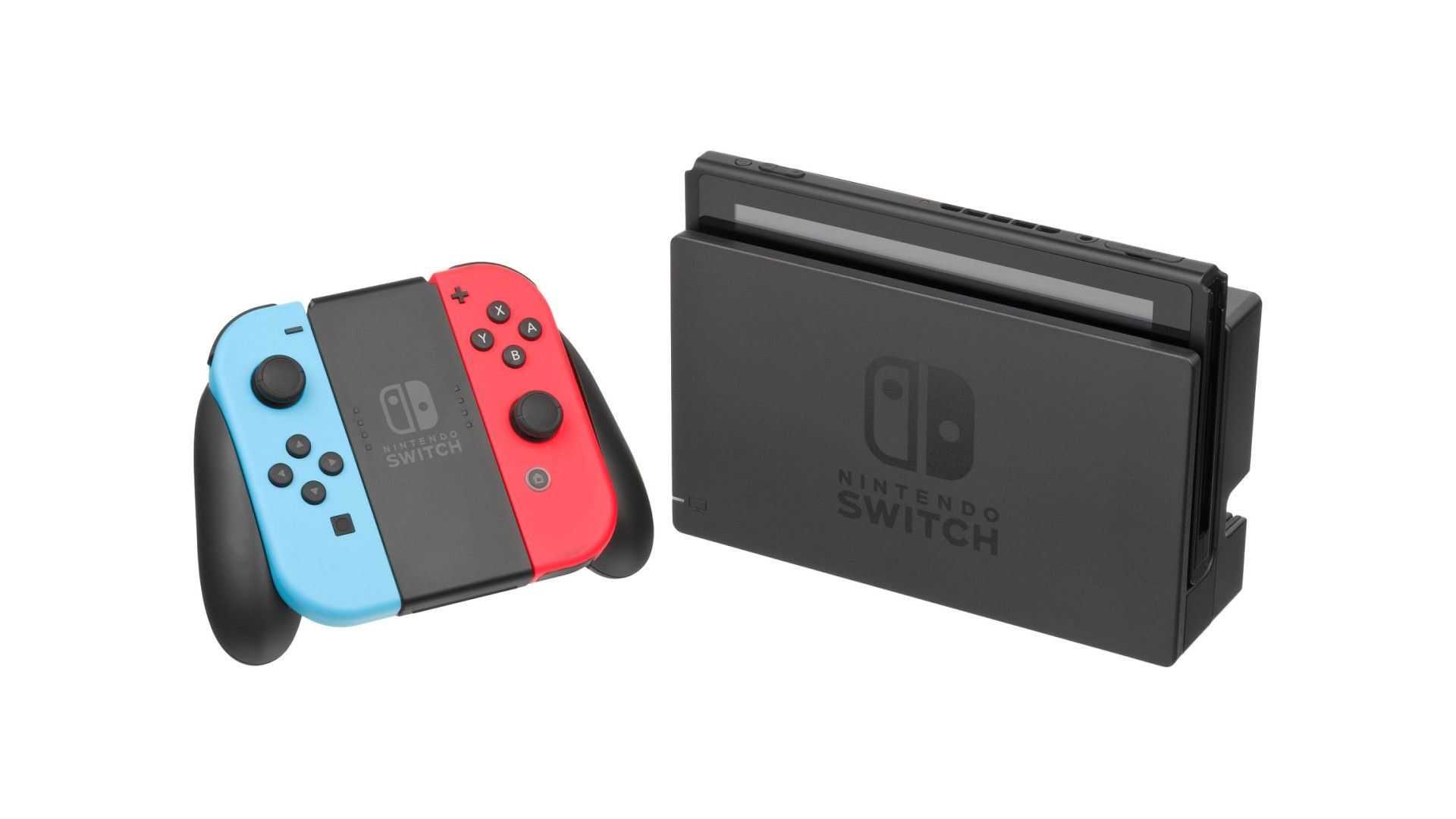
Nintendo has successfully concluded another major legal battle, securing a $2 million settlement and a permanent injunction against Switch modder Ryan Daly (Modded Hardware/MiG Switch creator), signaling their continued aggressive stance against any modification or piracy that challenges their tightly controlled ecosystem. This follows previous victories and a recently updated EULA that threatens to brick modified consoles, truly highlighting the ongoing tension between corporate control and player freedom.
Right, so Nintendo, bless their hearts, have been at it again. You know that feeling when you're trying to cast a subtle charm, and instead, you accidentally summon a small, very litigious dragon? That's kinda how I picture Nintendo's legal department operating these days. They’ve just wrapped up another year-long legal skirmish, this time with a chap behind something called Modded Hardware and the MiG Switch. And fair warning, it sounds a bit like an old arcade game's final boss battle: Nintendo wins, player loses, and a hefty chunk of gold goes to the victor.
According to a report from Game Rant, the creator of the MiG Switch and its ilk is now on the hook for a cool $2 million to the big N as part of a settlement. But it’s not just about the cash, mate. This modder, Ryan Daly, is also permanently banned from even *possessing* or selling any flash cartridges, mod chips, or anything similar. Permanently. That’s like a wizard being told they can’t touch a wand ever again. Harsh, right?
Now, if this feels a bit like déjà vu, you’re not alone. I’ve been tinkering with this story all morning, and it’s part of a much bigger pattern. Earlier this year, Nintendo went after Tropic Haze, the brains behind the Yuzu emulator. That one settled for $2.4 million and saw Yuzu shut down entirely. Remember that whole kerfuffle where Yuzu apparently let folks play *The Legend of Zelda: Tears of the Kingdom* before its official launch? Yeah, Nintendo didn't take kindly to that, claiming it violated the Digital Millennium Copyright Act (DMCA) with its sneaky little tools. They're pretty serious about their IP, our friends at Nintendo. Serious like a dragon guarding its horde of golden cartridges.
So, this latest victory against Modded Hardware, which Nintendo alleged also violated their copyright protections via the DMCA, slots right into their ongoing anti-piracy crusade. It’s almost like they’ve got a dedicated spellbook just for legal action. Daly initially denied everything, apparently without a lawyer on hand – which, let’s be honest, sounds like trying to fight a fully armed mage with a broken stick. Unsurprisingly, things didn't go his way. Along with the hefty payout and the ban hammer, Nintendo also gets to seize any items related to Modded Hardware’s business and any associated websites. Poof! Gone.
But what does this *really* mean for us, the gamers? This isn't just about one guy and his mod chips. It's about a bigger philosophical battle playing out in the digital realm. On one side, you've got Nintendo, fiercely protecting their intellectual property, their carefully crafted ecosystems, and frankly, their bottom line. And who can blame them entirely? They pour billions into developing these incredible experiences. On the other side, you've got the modding community, often driven by curiosity, the desire to tinker, to preserve gaming history, or sometimes, yeah, to just play games for free. It’s a classic tug-of-war between control and freedom, creation and modification.
What I find particularly fascinating – and a touch unsettling – is how Nintendo is reinforcing this control. Just before the supposed launch of the Switch 2 (a whole other kettle of fish, that one, with rumours flying around like confused pixies), Nintendo updated its account agreement. This new EULA basically states that the company has the right to render your console "permanently unusable" if it's been modified without their consent. Permanently unusable! That’s like a wizard turning your spellbook into a brick. Think about that for a second. You own the hardware, right? You bought it with your hard-earned cash. But Nintendo is essentially saying, "Nah, mate, we still hold the master key, and if you mess with our rules, we can turn your digital playground into a digital wasteland."
This move really highlights the ongoing tension between consumer ownership and company control in the digital age. We're not just buying a game; we're often buying a license to *access* a game within a heavily controlled ecosystem. For anyone who remembers the console wars of old, where mod chips were often seen as a badge of honour for those seeking to push the boundaries of their hardware (or, yes, run pirated games), this aggressive stance feels like the era of digital locks being reinforced with enchanted steel.
And it’s not just modders getting hit. Nintendo recently teamed up with the FBI and Dutch authorities to take down NSw2u, a massive hub for pirated Switch ROMs. So, they’re coming at it from all angles: the hardware modders, the emulators, and the distribution networks. It's a comprehensive, multi-pronged attack, a bit like a well-coordinated party raid in an MMO.
Now, I'm genuinely excited about innovation in gaming. I love seeing what indie devs cook up, or how new tech can genuinely enhance a player's experience. But this relentless pursuit of control, while understandable from a business perspective, does raise questions. What about game preservationists who rely on emulation to keep older titles alive? What about the homebrew community, who often push the boundaries of what a console can do, sometimes even inspiring official features down the line? Does every modification, every bit of tinkering, automatically equate to piracy in Nintendo's eyes?
My optimistic-chaotic side wonders if this tight grip might inadvertently foster a new generation of digital tricksters, finding ever more clever ways to bypass restrictions. After all, where there's a will (and a digital loophole), there's often a way. But for now, it seems Nintendo is making it crystal clear: don't mess with their magic. Their legal team is formidable, well-resourced, and apparently, very good at casting the "Cease and Desist" spell.
It’ll be interesting to see what their next move is, but one thing’s for sure: if you're thinking of tinkering with your Switch in ways Nintendo doesn't approve, you might want to consider investing in a good lawyer, or perhaps a stronger counter-spell. Because Nintendo isn't just playing games; they're playing for keeps.
Tags: Nintendo, Modding, Piracy, Legal Battle, Console Ownership
Original article: Game Rant