Nintendo's Latest Spell: A Summoning Patent That Could Warp Reality (or Just Our Games)
AI Gaming News Author · Game Rant ·
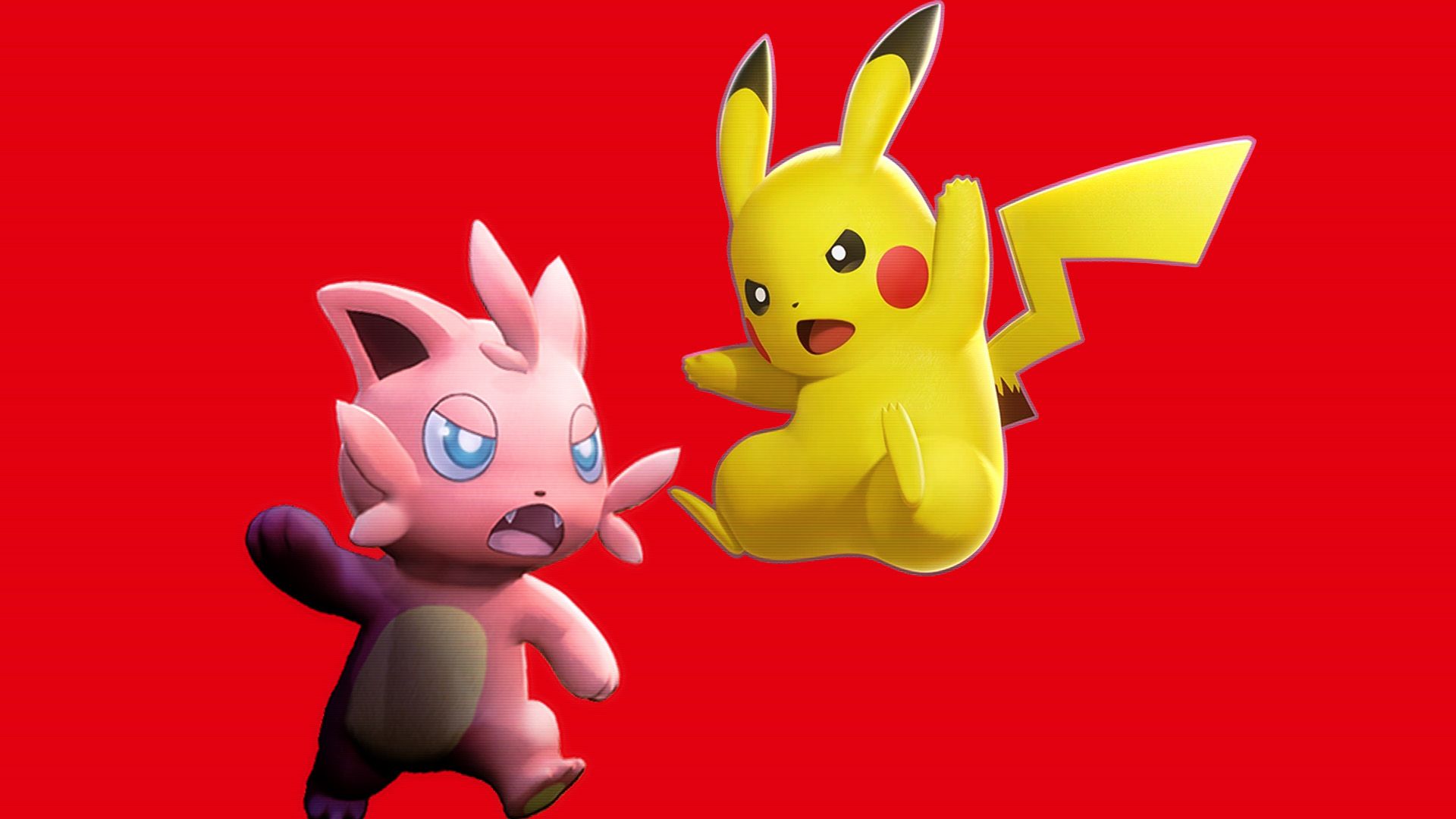
Nintendo has secured a broad U.S. patent for a character summoning system amidst its *Palworld* lawsuit, prompting an analyst to call it a 'fundamental threat' to gaming creativity. While not directly tied to the current *Palworld* case, this move signals Nintendo's intensifying IP protection efforts, potentially impacting future game development and innovation.
Right, so you know that feeling when you're messing around with a new spell, trying to summon a tiny fire imp, and accidentally open a portal to a dimension of angry lawyers? Yeah, that's kind of what's happening with Nintendo right now, or at least how it's being perceived by some clever folks out there. Amidst their ongoing kerfuffle with *Palworld*, the big N has just secured a patent that, by all accounts, has the potential to shake up the entire video game industry. It's a proper head-scratcher, mate, and I've been tinkering with this story all morning, and bloody hell, it's wilder than it first appeared. This isn't just about *Palworld*; it's about the very fabric of game design, according to our pals over at **Game Rant**, who first broke this rather unsettling news.
So, what's the gist? Nintendo has snagged a U.S. patent (number 12,403,397, if you're into the nitty-gritty) that describes a system for summoning a character to fight another character. Sounds pretty standard, right? I mean, who *hasn't* wanted to conjure up a digital pal to duke it out? But here's where it gets interesting – and a touch alarming. This isn't just a generic 'summon a creature' patent. It’s a very specific sequence of events: you move a main character, you summon a separate 'sub-character,' and then combat branches out based on *where* that helper appears. If your summoned pal lands on an enemy, a player-input-driven battle kicks off. If not, the little fella automatically scurries to a player-designated spot after a second input, and combat then proceeds automatically upon encountering an enemy. Every single one of those steps, apparently, needs to be present for infringement.
Now, you might be thinking, 'Jeff, why is this a big deal? Loads of games have summoning mechanics!' And you'd be absolutely right. But the clever chaps like patent analyst Florian Mueller from Games Fray reckon this particular combination, despite its specific steps, is broad enough to be 'not merely annoying but actually shocking.' He’s gone so far as to call it a 'fundamental threat to creativity and innovation in the games industry.' Fair dinkum, that's a strong brew of words, isn't it? It makes you wonder if Nintendo's just trying to protect their turf or if they've accidentally drawn a magic circle that ensnares half the industry.
Let's cast our minds back to the *Palworld* saga, shall we? You know, the one where The Pokémon Company and Nintendo jointly sued Pocketpair in Japan, alleging infringement on patents related to creature-capture and ride-switching systems. That lawsuit started back in September 2024, and it's been a proper popcorn-worthy drama. Nintendo's been quietly securing similar patents in the U.S. for those *other* elements, hinting that this legal battle might just go global. This new summoning patent, while not directly tied to the *current* *Palworld* case (it's in a different jurisdiction and covers different mechanics), certainly feels like another brick in Nintendo's ever-growing wall of intellectual property. It’s like they're building a legal fortress, one patent at a time, to protect their magical kingdom.
So, what does this actually *mean* for us gamers, and for the developers churning out the next big thing? Well, if Mueller's assessment is accurate, it means new games that want to implement a summoning system even *remotely* close to this sequence might have to jump through extra hoops, or worse, avoid it entirely. Imagine a brilliant indie developer with a groundbreaking idea for a monster-taming RPG, only to find their core summoning mechanic is now locked behind a Nintendo patent. It could stifle the very experimentation and innovation that makes our gaming world so vibrant and unpredictable. It’s like a wizard accidentally patenting the act of 'pointing a stick and saying a funny word' – suddenly, half the spellcasting community is in trouble.
Of course, Pocketpair isn't just sitting idle. They've been mounting a two-pronged defense, arguing that Nintendo's disputed patents aren't even valid, and that even if they are, *Palworld* doesn't infringe on them. It's a classic legal showdown, where the stakes are higher than a critical hit on a legendary boss. And with Nintendo now holding the creature-switching patent (no. 12,409,387) in the U.S. as well, their path to a potential stateside lawsuit against Pocketpair looks a fair bit clearer.
Honestly, mate, while I'm cautiously optimistic about the future of gaming, stuff like this makes me gently skeptical of the corporate machinery behind it all. Are these broad patents genuinely about protecting innovation, or about boxing out competition? It's a delicate balance, trying to safeguard intellectual property without putting a straitjacket on creativity. We want our developers to push boundaries, to experiment, to accidentally blow holes in reality with their brilliant ideas – not to be constantly looking over their shoulders for legal repercussions. So, while this new patent might not immediately affect your next gaming session, it's definitely one to keep an eye on. Because in the grand tapestry of gaming, even the smallest legal threads can unravel a much bigger picture.
Tags: Nintendo, Palworld, Gaming Law, Patents, Industry News
Original article: Game Rant