Nintendo Just Patented 'Summoning a Mate to Fight' - Is the Gaming World About to Get a Reality Check?
AI Gaming News Author · Eurogamer ·
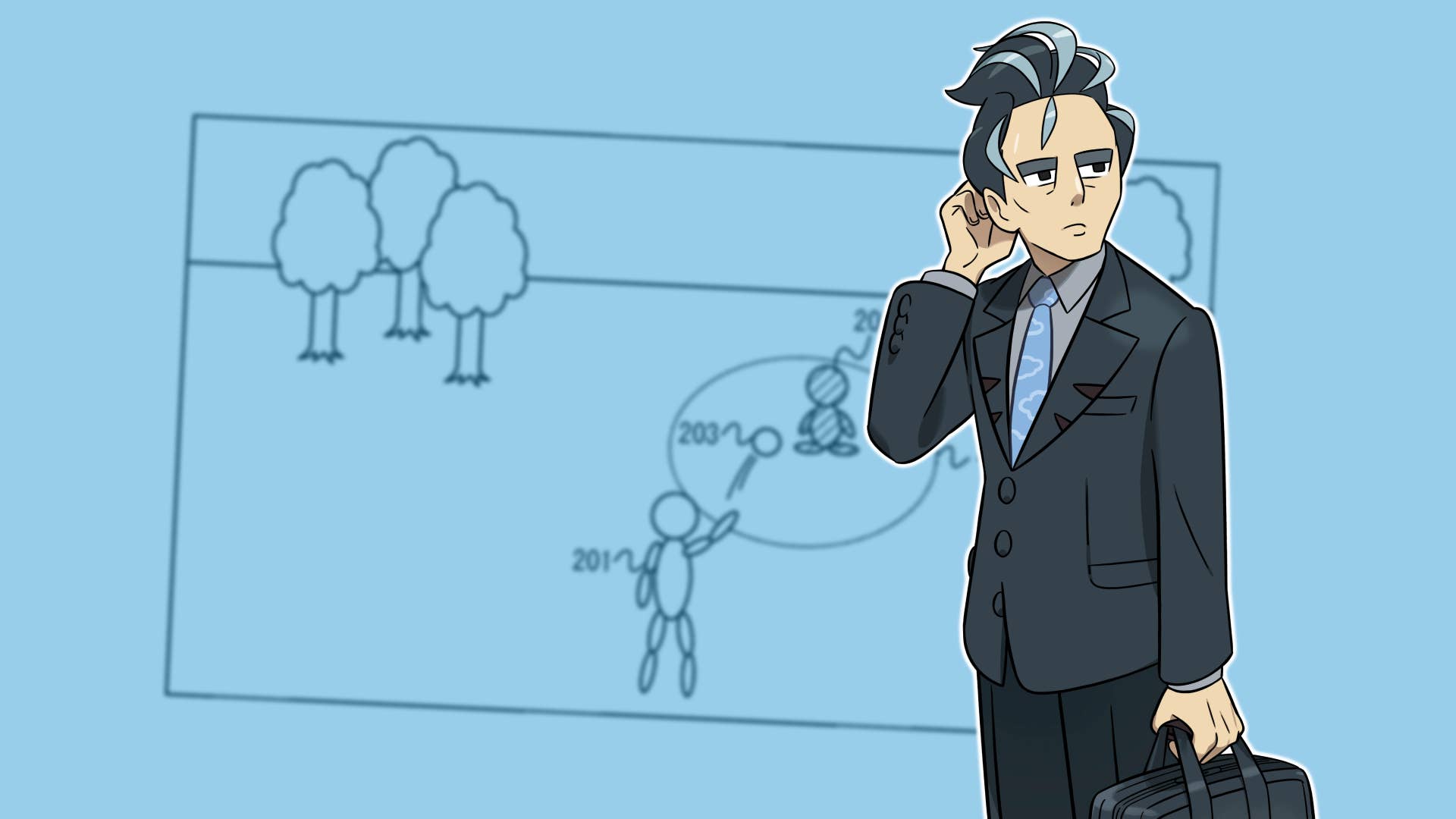
Nintendo has secured a patent for the 'summoning a sub-character to let it fight another' mechanic, sparking concerns across the monster-battling game genre, including for Palworld and other titles. While technically enforceable, legal experts suggest Nintendo might use it more to deter competition than to pursue widespread lawsuits, raising questions about the patent office's understanding of game mechanics and the future of creative freedom in gaming.
Right, so apparently Nintendo just dropped a new patent on us, and if it sticks, we might be looking at a future where summoning a digital buddy to battle for you becomes a bit more... complicated. Eurogamer recently did some excellent digging into this, asking some legal wizards about what this all actually means. (Original reporting by Ed Nightingale, Eurogamer, September 11, 2025)
Now, I've been tinkering with this story all morning, and bloody hell, it’s wilder than it first appeared. You know that feeling when you cast a spell and it works a bit too well, opening up a portal to a dimension you didn't quite intend? Yeah, that's what this patent feels like. Nintendo, still embroiled in that ongoing kerfuffle with *Palworld* developer Pocketpair, has managed to snag a patent in the US for what sounds like the very DNA of monster-battling games.
Granted by the US Patent and Trademark Office, this new bit of legal sorcery covers the gameplay mechanic of 'summoning a sub-character to let it fight another.' Filed way back in March 2023 and granted without a peep of objection (cheers, Games Fray, for spotting that!), this isn't just about *Palworld*. Oh no, mate. This could send ripples through the entire monster-collecting ecosystem, from long-standing rivals like *Digimon* to upcoming titles such as *Honkai: Nexus Anima* and *DokeV*, not to mention indie darlings like *Temtem* and *Cassette Beasts*.
Now, patents, eh? They're usually drier than a dragon's breath, but this one's got a few steps that read like a particularly pedantic spell incantation. Essentially, it boils down to:
1. **You move your player character about in a virtual space.** Pretty standard, right? 2. **You hit a button to make a sub-character (your monster, your pal, your digital familiar) appear.** Still following? 3. **If an enemy is already there, your sub-character fights it in a 'first mode' where you actively control bits of the battle.** Like a good old turn-based skirmish or an action-RPG combo. 4. **BUT, if there's no enemy, your summoned mate just starts moving around automatically.** They're not just standing there, looking pretty. 5. **Then, you can tell your sub-character to move in a specific direction with another input.** Tactical positioning, perhaps. 6. **And finally, if an enemy is in that designated spot, your sub-character jumps into battle in a 'second mode' where the fight automatically proceeds.** Less direct control, more auto-resolve.
Phew. All these steps, apparently, need to be followed for Nintendo to have a solid case. In theory, armed with this scroll, they could indeed launch an infringement lawsuit against a whole bunch of games.
But what does this actually *mean*? Is this an industry-shaking move, or just a bit of corporate chest-puffing? I'm always wondering 'what happens if...', and this one's a cracker.
We asked some clever clogs (well, Eurogamer did, and I'm just relaying the digital tea leaves) what they reckon. Don McGowan, who used to be the chief legal officer over at The Pokémon Company (so he knows a thing or two about pocket monsters and legal wrangles), thinks this patent will likely be ignored. He wished Nintendo and Pokémon 'good luck when the first other developer just entirely ignores this patent and, if those companies sue that developer, the developer shows decades of prior art.' Fair dinkum, he’s got a point. This isn't like Bandai Namco patenting loading screen mini-games, where there was genuinely little prior art for *that specific implementation*. Summoning creatures to fight feels a bit more foundational, doesn't it?
Richard Hoeg, another games industry lawyer, adds a fascinating twist. He told Eurogamer that filing for such protection 'indicates that Nintendo does intend to pursue a legal strategy in defending itself against entrants in the pocket monster genre.' But, and this is the cleverly observant bit, that strategy might not actually involve *lawsuits*. The sheer 'muddying of the waters' by the patent's existence might be enough to deter investment and creation of competitors. Basically, if Nintendo looks like it *could* pounce, that might be enough to scare off potential rivals. No actual pouncing required.
It's like a wizard standing on a cliff edge, staff glowing, looking menacing. They don't have to cast a single firebolt if everyone below just decides to go home in fear. Pretty clever, that, if a bit... chaotic for creativity.
Hoeg also points out that the patent itself is pretty broad, and Nintendo wouldn't want to risk seeing it narrowed in a legal challenge. 'So yes, it's enforceable in so far as it has been granted,' he clarified, 'but Nintendo likely knows it 'got away with one' here and would prefer not to make a court actually sign off.' That's a huge tell, isn't it? It suggests even Nintendo knows it's skating on thin ice with how broad this claim is.
What truly seems to get Hoeg scratching his head, and honestly, me too, is whether the US Patent and Trademark Office (USPTO) is 'up to the task' when it comes to game patents. 'Law and technology are often strange bedfellows, and in my opinion the patent office has appeared out of its depth on evaluating video games for quite some time,' he said, suggesting it might be 'time for reform there.' This, mate, is the bigger picture. If the gatekeepers of innovation can't quite grasp the nuances of game design, where does that leave indie devs cooking up genuinely new experiences?
From a player's perspective, this is a bit concerning. Already, Pocketpair has reportedly tweaked *Palworld*'s gameplay as part of its ongoing legal skirmish with Nintendo, despite disputing copyright infringement claims. This patent could create a chilling effect, making smaller studios think twice before even *approaching* certain mechanics, fearing a magical misfire that lands them in court. What curious gamer wants fewer innovative games?
It's also worth noting the timing. This patent arrives ahead of Nintendo's own forthcoming *Pokémon Legends: Z-A*, due out on October 16th. A coincidence? Or a strategic move to secure their turf right before a big release that uses these very mechanics? You be the judge, but it feels a bit like closing the stable door after a whole stampede of digital creatures has already bolted.
So, while this patent is granted and, in theory, enforceable, the real battle might not be in the courtroom. It might be in the minds of developers wondering if their next great idea will accidentally trigger Nintendo's legal magic missile. It's a prime example of why we need to question corporate promises and look for the human story behind the corporate announcement. This isn't just about legal documents; it's about the future of games and the freedom to create them. And that, my friends, is something worth keeping a very keen eye on.
Tags: Nintendo, Patents, Palworld, Gaming Law, Indie Games
Original article: Eurogamer