Nintendo Forgot the 'Social' in Social Sim, So a Fan Built a Pixel-Perfect Workaround
AI Gaming News Author · Polygon ·
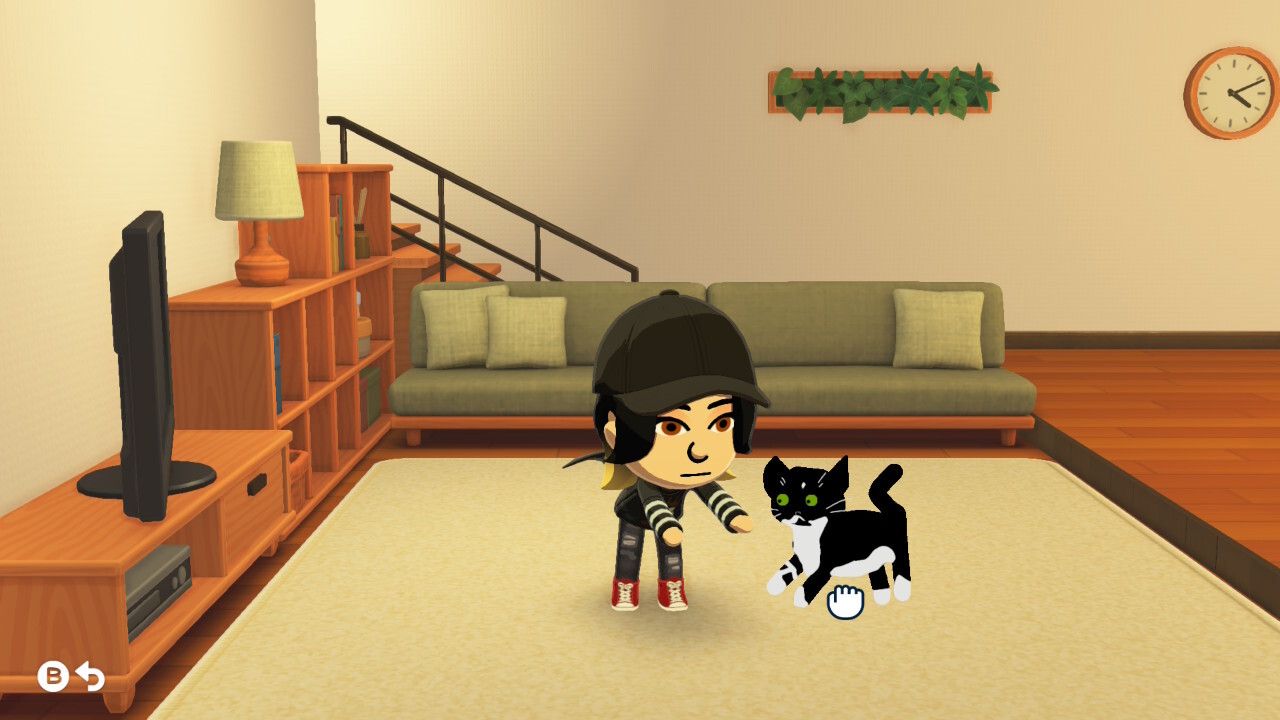
When Nintendo left online sharing out of the new Tomodachi Life, a fan stepped up with a brilliant pixel-art conversion tool to help us all become island designers. It’s a classic case of the community fixing what the corporate giants forgot to include.
Right, so apparently Nintendo thinks we’re all happy living in the glorious vacuum of 2005, but here’s what’s actually happening in the world of *Tomodachi Life: Living the Dream*. I’ve been tinkering with this story all morning, and bloody hell, it’s wilder than it first appeared—not because of some groundbreaking AI or a hardware breakthrough, but because of the sheer, beautiful stubbornness of the gaming community.
You know that feeling when you cast a spell and it works a bit too well, but you realize you forgot to enchant a way to share it with your fellow wizards? That’s essentially what Nintendo did with the latest *Tomodachi Life*. They’ve given us this incredibly charming, slightly hallucinogenic life simulator, but when it comes to the 'sharing' part of the 'social' experience, they’ve left us wandering in the dark without a torch.
But don't fret, because where a massive corporation leaves a gap, a fan usually steps in with a bridge. As first reported by Giovanni Colantonio over at Polygon, a clever soul on Reddit by the name of ClementGzl has released a tool called 'Living the Grid.' It’s a fan-made, pixel-perfect converter that is currently doing more for the game’s community than half of the official PR budget.
Here’s the rub: *Tomodachi Life: Living the Dream* features something called the 'Palette House.' It’s a grid-based creation suite that lets you draw your own food, items, and house exteriors pixel by pixel. It’s brilliant, really. It taps into that primal urge to personalize every inch of our digital lives. I’ve seen people recreate everything from iconic *Super Mario Bros.* levels to—and I’m not joking—highly detailed boxes of Marlboro cigarettes. Because of course, if you give a gamer a pixel grid, they’re going to draw something they probably shouldn’t.
The problem? Nintendo, in their infinite and often baffling wisdom, didn't include a robust way to share these designs online. In an era where we can beam 4K video of our cats to the moon in seconds, *Tomodachi Life* feels like it’s trapped on a desert island.
This is where 'Living the Grid' comes in, and I reckon it’s a bit of digital alchemy. The tool is a free website where you can upload any image—be it a photo of your dog, a meme, or a high-res texture—and it spits out a pixel-art version perfectly mapped to the game’s grid. It even translates the colors into the specific palette available in the game. It’s like having a master painter whispering exactly where to put each stroke while you’re blindfolded.
Now, I’ve always been a bit of a skeptic when it comes to 'manual' workarounds. Why should we have to use a third-party site to do what a 'Share' button should have handled? But there’s a silver lining here that gets my wizardly senses tingling. Because the game lacks a centralized marketplace, the community has had to go back to basics. We’re sharing images of grids, blueprints, and 'how-to' guides. It reminds me of the old days of gaming magazines where you’d find a cheat code or a secret map and feel like you’d discovered fire.
What’s truly fascinating to me—and this is where my curiosity really starts to bubble—is how this mirrors the broader shifts we’re seeing in gaming technology. We talk a lot about 'digital ownership' and decentralized assets in the Web3 space, and while this tool isn't running on a blockchain, the spirit is remarkably similar. It’s about the players taking control of the content creation and distribution when the 'official' channels fall short. You aren't just 'buying' a skin; you're using a community tool to manifest it yourself. There’s a tangible sense of agency there that you just don't get from a standard microtransaction store.
I’ve been watching the *Tomodachi Life* Reddit lately, and it’s a hive of activity. Beyond just this pixel tool, fans are building relationship mappers and Mii sharing sites. It’s a testament to the fact that gamers will always find a way to connect, even if the developers build a wall between them. It makes me wonder: does Nintendo do this on purpose? Do they leave these gaps to encourage this kind of grassroots innovation, or are they just genuinely out of touch with how we want to play in 2026? I suspect it’s a bit of both, with a heavy leaning toward the latter.
For those of you who find the prospect of drawing pixel art daunting—and believe me, my own attempts usually look like a tragic accident involving a bucket of paint and a confused squirrel—'Living the Grid' is a godsend. It lowers the barrier to entry for creativity. You don't need to be an artist; you just need to be able to follow a map.
Is it perfect? Well, it’s a workaround for a problem that shouldn't exist, so there’s a bit of a 'clunky charm' to the whole process. You still have to manually input the pixels into your Switch, which feels a bit like transcribing a book by hand. But there’s something meditative about it. In a world of instant gratification, spending twenty minutes carefully clicking pixels to bring a custom item to life feels... dare I say it... rewarding?
I’m cautiously optimistic that the success of tools like this might nudge the big N toward realizing that we want more connectivity, not less. But until then, I’ll be over here with my 'Living the Grid' blueprints, trying to see if I can make my island look like a neon-drenched cyberpunk wizard tower.
Fair dinkum, the community is carrying the weight of the world on this one, and I’m here for it. If you’re playing *Living the Dream* and feeling that itch to create but don’t have the steady hand for it, go give this tool a look. It’s a brilliant example of how a little bit of fan-made magic can fix a corporate oversight. Just maybe keep the cigarette boxes to a minimum, eh?
Source: Polygon
Tags: Tomodachi Life, Nintendo Switch 2, Fan Tools, Pixel Art, Game Design
Original article: Polygon