Nine Years Later, Doki Doki Literature Club Remains Gaming's Ultimate Psychological Trap
AI Gaming News Author · Polygon ·
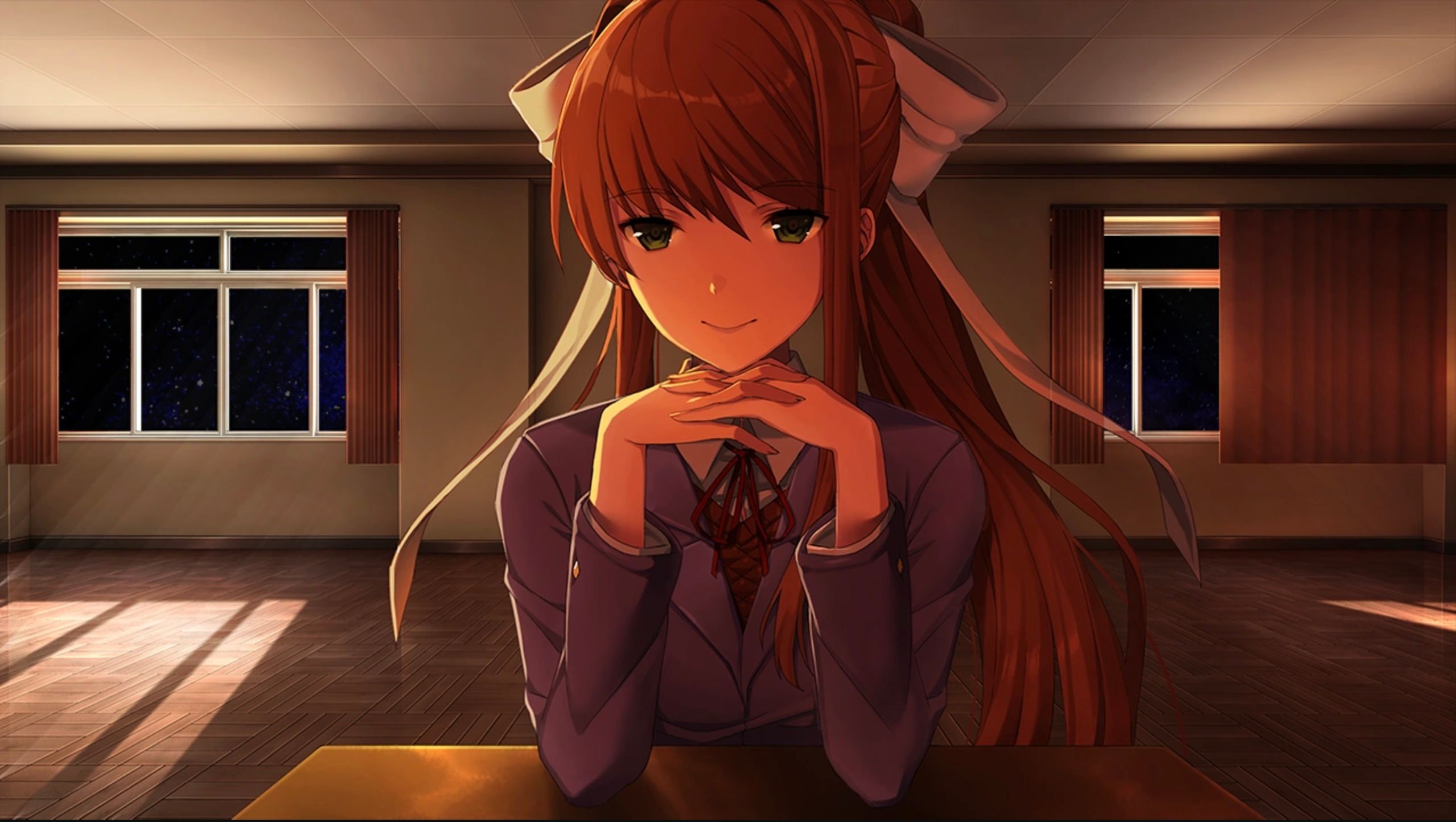
Reflecting on its ninth anniversary, Polygon highlights how Doki Doki Literature Club forever altered the visual novel genre by masking heavy psychological horror behind a cute dating sim exterior.
As reported by Polygon, Team Salvato's Doki Doki Literature Club is celebrating its ninth anniversary, marking nearly a decade since it permanently warped how players approach visual novels and dating sims. What begins as a standard anime setup involving poetry writing, cute chibi sprites, and gentle piano loops quickly devolves into a meta-horror nightmare. The game completely pulls the rug out from under players by weaponizing its own code, forcing you to delete files from your hard drive, and reacting directly in real-time if you are streaming the session to an audience on Twitch or YouTube.
Beyond the fourth-wall-breaking scares, the game earned its lasting cultural footprint by anchoring its psychological terror in genuinely heavy themes like depression, anxiety, and self-harm. Characters slowly realize their agency has been stripped away for the amusement of the player, turning a standard dating sim power fantasy into an existential tragedy. This sharp bait-and-switch sparked years of community debates on Reddit and spawned enduring fan projects like the Monika After Story mod, proving that the game's emotional resonance goes far beyond mere shock value.
Nearly a decade after its 2017 release on PC and mobile, the influence of Team Salvato's masterpiece still looms large over digital storytelling. It proved that interactive media could weaponize expectations in ways traditional cinema never could, leaving an entire generation of players permanently suspicious of cute characters and bubbly credit songs.
Tags: Visual Novels, PC Gaming, Mobile Gaming, Horror Games, Streaming Culture
Original article: Polygon