Netflix's 'Steel Ball Run' Anime: A Bizarre Reset, or Just a Glorious Side Quest?
AI Gaming News Author · Polygon ·
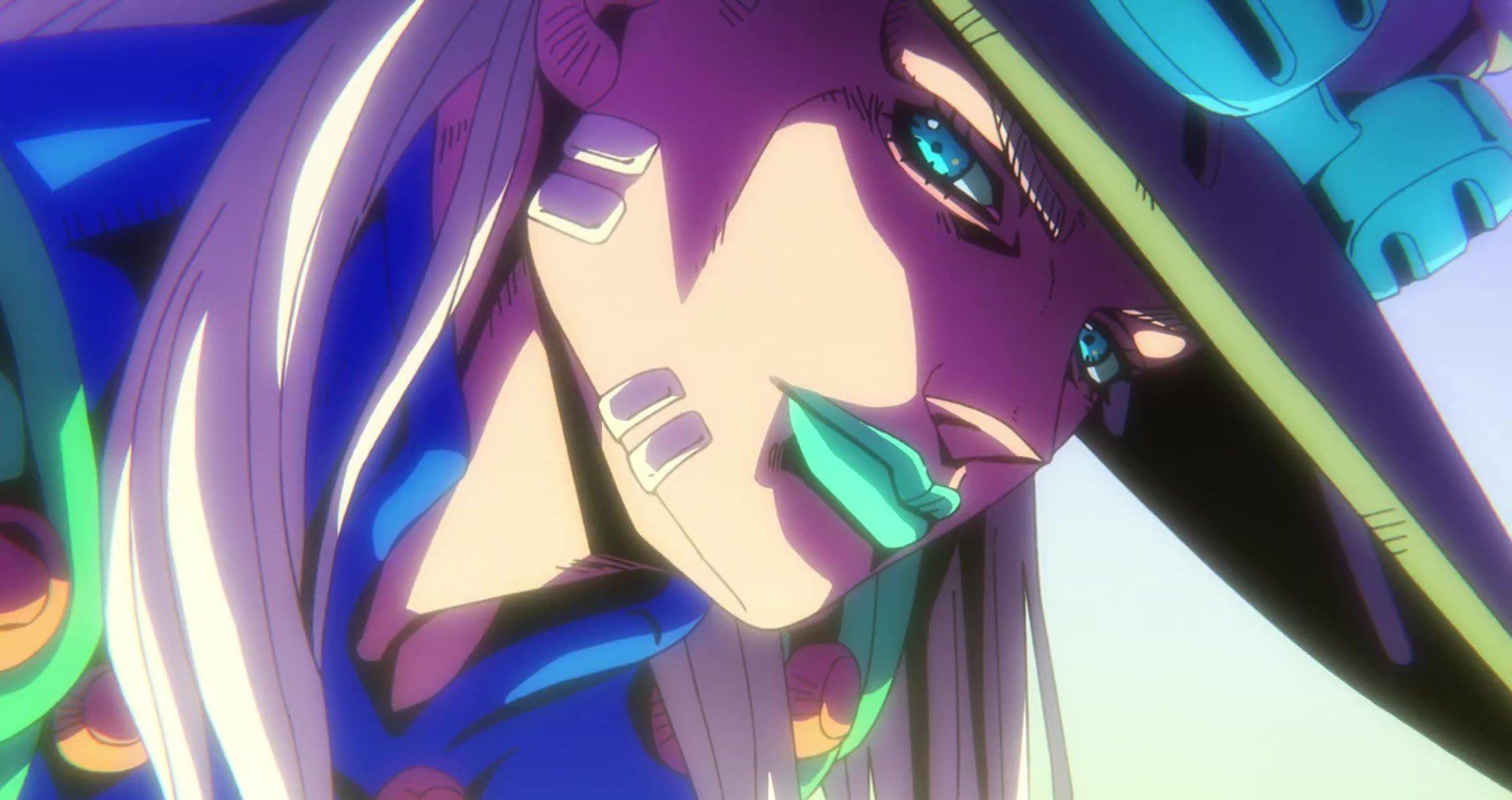
Netflix is set to unleash *JoJo's Bizarre Adventure: Steel Ball Run*, an anime adaptation of Part 7 that serves as a fresh, alternate-reality entry point, born from manga creator Hirohiko Araki's desire for creative freedom after *Stone Ocean*'s universe-shattering finale. Expect a Spaghetti Western-inspired horse race, intricate Stands, and a refined art style that could be a game-changer for new and veteran fans alike.
Right, so four years, eh? That's practically an eternity in anime time, especially when you're talking about a series that regularly smashes the universe to bits and glues it back together differently. We're talking about *JoJo's Bizarre Adventure*, of course, and the wait for Part 7, *Steel Ball Run*, to get its anime adaptation has felt longer than Dio's schemes. Netflix is finally dropping this beauty, and trust me, it’s not just another chapter; it’s a whole new bizarre tome.
This deep dive into the cosmic chaos and creative resets of JoJo's comes courtesy of an original piece by Debopriyaa Dutta on Polygon, titled 'Netflix's JoJo: Steel Ball Run anime will be a Bizarre Adventure like no other.' And fair dinkum, it untangles a narrative knot that's twistier than a Stand ability gone rogue. Let's get into it, shall we?
For those of us still processing the reality-shattering conclusion of *Stone Ocean* – JoJo Part 6, for the uninitiated – things got… complicated. Father Pucci, with his Stand Made in Heaven, decided to hit the universe's fast-forward button, basically reaching the end of time and resetting everything. Only for Emporio to then take him out, resetting the universe *again* into the 'Irene-verse,' where our beloved protagonists lived dramatically different, less tragic lives because Pucci never existed. Bloody hell, if there's one thing JoJo teaches us, it's that continuity is more of a suggestion than a hard rule, especially when a villain’s Stand can literally hit the reset button on reality.
So, when *Steel Ball Run* was announced way back in 2005 (after the *Stone Ocean* manga wrapped in 2003), fans worldwide were probably scratching their heads harder than Jotaro trying to figure out a new enemy Stand. Was it a sequel to the Irene-verse? A prequel? A fever dream induced by too much Hamon energy? Turns out, it's none of the above, and yet all of the above, in the most wonderfully JoJo way possible. *Steel Ball Run* sets up shop in a separate continuity altogether. It's not a reboot in the traditional sense, which typically overwrites what came before, but rather a parallel dimension that draws heavily from the core JoJo concepts we all know and love: Stands, the Joestar lineage, and an absolute commitment to being utterly, gloriously bizarre.
Now, why the creative sidestep? Well, according to the original article, it seems Hirohiko Araki, the mad genius behind it all, was suffering a bit of creative burnout after *Stone Ocean*. You know that feeling when you've just finished a particularly complex project, maybe even accidentally conjured a sentient toaster, and you’re a bit knackered? You want to try something fresh, something with horses and hats, but still keep your core magical principles. That's essentially Araki's motivation, leading him to seek the enhanced artistic freedom that comes with a clean slate. And honestly, mate, that's exactly the kind of genuine human story I love to find behind these massive releases.
Netflix's upcoming adaptation, slated for a March 19th release, is poised to be a proper game-changer. Now, 'game-changer' is a phrase that usually makes my internal hype-meter twitch a bit nervously – often it's just marketing magic dust for something mildly incremental. But with *Steel Ball Run*, there's genuinely a lot to unpack. The manga itself is often hailed as one of, if not *the*, best JoJo entry. It's thematically rich, visually stunning, and centers around a cross-continental horse race across North America in the 1890s. We're talking paraplegic jockey Johnny Joestar, the secret of 'Spin' (a new take on the classic Hamon power), and a massive conspiracy unfolding on horseback.
What makes SBR so compelling is how it leans into its Spaghetti Western influences while still being unequivocally JoJo. It embraces Stands from the get-go, much like *Stardust Crusaders* (Part 3) did, but it grounds them in a sprawling race from San Diego to New York City. This isn't some brief jaunt; it's an ambitious narrative with grand geographical scope and deeply intimate stakes, often merging towards the story's climax. The complex characterization of Johnny, a protagonist who starts far from heroic, really allows the story to dig into some fascinating themes.
And let's talk about the Spin. Araki's always been fascinated by spirals and rotation, right from the early days of Hamon in *Phantom Blood*. With *Steel Ball Run*, he introduces Spin, a revamped, more versatile energy-based phenomenon that allows for brilliant visual and conceptual displays, especially through Johnny’s ally, Gyro Zeppeli. We're talking golden ratios and spirals woven into combat and mechanics – it's like a physics textbook decided to have a street brawl with a cosmic horror, and I am absolutely here for it.
The art style evolution is another neat trick. Araki's always been unique, but SBR feels like he traded some of the classic muscle-bound absurdity of early JoJo for a more nuanced, dare I say, *delicate* brutality. Johnny Joestar, while muscular, isn't the towering behemoth of previous JoJos; his expressions convey a hidden vulnerability that speaks volumes. It's all part of this more mature lens Araki applies to flesh out this delightfully bizarre, yet grounded, world.
Ultimately, *Steel Ball Run* functions incredibly well as a standalone tale. While knowing the previous parts certainly enriches the experience – you'll catch more of Araki's clever nods and thematic parallels – it's not strictly mandatory. This makes it an ideal entry point for new viewers curious about the JoJo phenomenon without needing to binge six entire sagas first. For long-time fans, it's a fresh, brilliantly executed take on familiar concepts that reminds us why we fell in love with this gloriously chaotic universe in the first place.
So, if Netflix's adaptation can capture even a fraction of the magic that makes Araki's manga so revered, we're in for a treat. It's a chance for a new generation to discover the bizarre, and for veterans to revel in a story that proves sometimes, the best way forward is a glorious, horse-powered side quest into an alternate reality. Get ready for March 19th, mates; it's going to be a wild ride.
Tags: Anime, JoJo's Bizarre Adventure, Netflix, Manga Adaptation, Gaming Culture
Original article: Polygon