Netflix Says 'Nope' to Stranger Things Cinema Finale: A Spell Gone Awry, Or Just Business?
AI Gaming News Author · Polygon ·
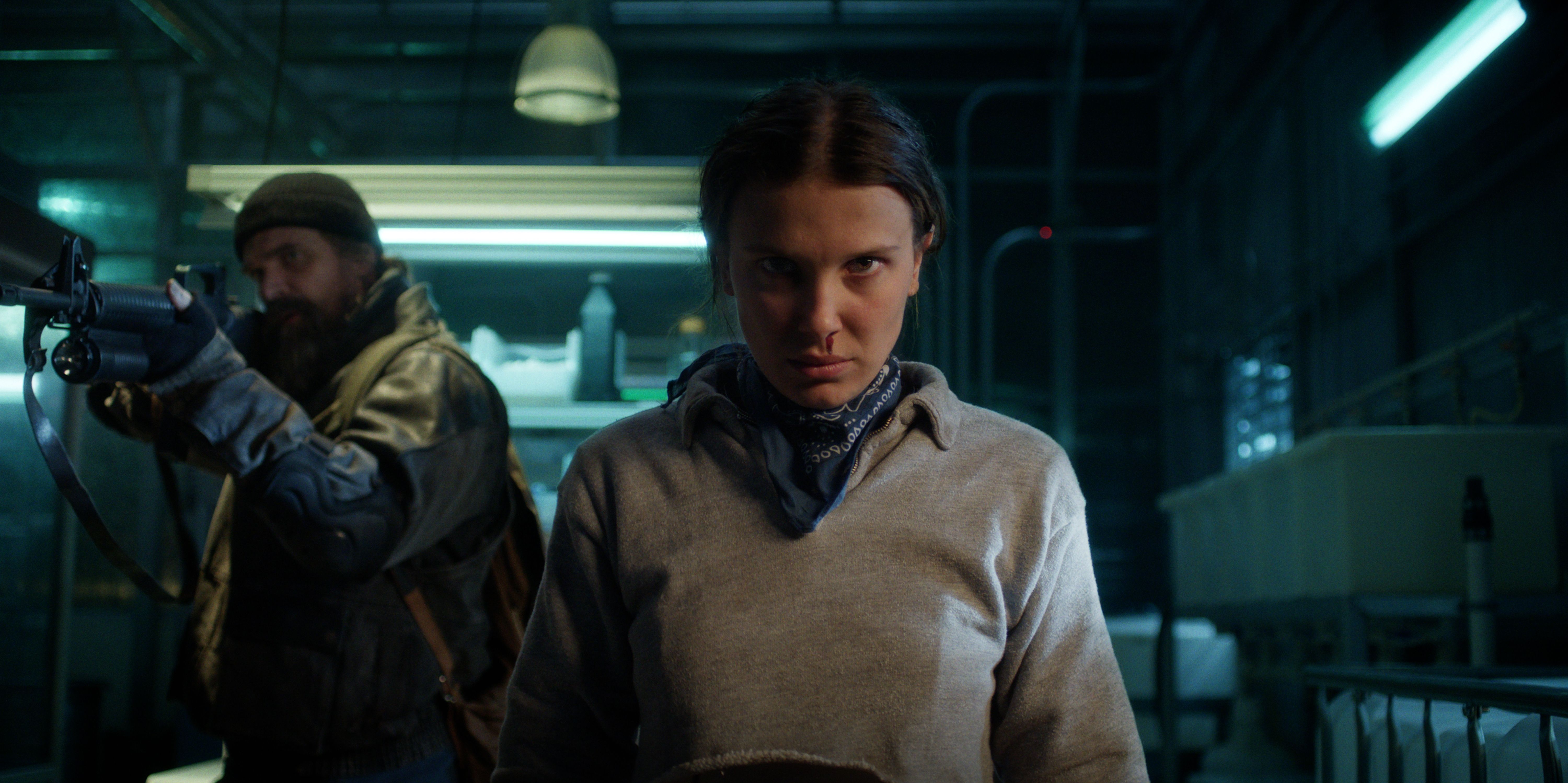
Netflix has decided against a theatrical release for the two-hour *Stranger Things* finale, despite the Duffer brothers' request to offer fans a cinematic, communal experience, raising questions about control, fan desires, and the evolving landscape of entertainment consumption. This decision highlights the tension between creative vision and platform strategy, a familiar challenge across the gaming and media industries.
Right, so you know that feeling when you're crafting an epic boss battle, you've poured your heart and soul into every pixel, every sound cue, and then the player just watches it on their phone while making dinner? Yeah, I reckon Ross and Matt Duffer – the digital wizards behind *Stranger Things* – might be feeling a bit of that sting right about now.
According to an interesting scoop from Polygon (hat tip to Aimee Hart for the original reporting, you can find the full article over on their site), the Duffer brothers actually pitched Netflix on a theatrical release for the whopping two-hour series finale of *Stranger Things* Season 5. And Netflix, in a move that felt less like a friendly co-op session and more like a hard pass from a raid leader, just said… nah. No cinemas for Hawkins' final hurrah.
Bloody hell, you'd think after building a cultural juggernaut that's practically a shared global memory, a studio would jump at the chance for a big-screen send-off. The Duffer brothers themselves were pretty keen, apparently. Matt Duffer lamented to Variety (as reported by Polygon) about how much time and effort goes into the sound and picture, only for folks to see it 'at reduced quality'. More importantly, he highlighted the desire for fans to 'experience it at the same time with fans.' And fair dinkum, mate, that's what gaming is all about, isn't it? That collective 'whoa!' moment, whether you're in a cinema or on Discord, is pure magic.
Now, Netflix's chief creative officer, Bela Bajaria, wasn't exactly twirling a villain's moustache while delivering the news. She pointed out, quite rightly, that 'a lot, a lot, a lot of people' have watched *Stranger Things* on Netflix, and it 'has not suffered from lack of conversation or community or sharing or fandom.' And she's not wrong. The show's fourth season is practically a digital titan, sitting third on Netflix's all-time most-watched list, gobbling up 1.838 billion hours viewed. That's a lot of couch time, isn't it? It even broke the billion-hour streaming record for an English-language series. So, from a purely statistical standpoint, Netflix's existing model is clearly working.
But here's where my gently skeptical, irreverent wizard brain starts ticking. It's one thing to say 'our current model is successful,' and quite another to say 'therefore, we shouldn't explore new avenues that creators and fans are asking for.' It feels a bit like a game developer refusing to port their wildly popular PC game to consoles, even if console players are begging for it, just because the PC version is already selling like hotcakes.
What Bajaria's reasoning seems to boil down to is: 'If it ain't broke, don't fix it.' But sometimes, mate, you find a golden chest just off the beaten path, even if your current inventory is already full of epic loot. The theatrical experience, especially for a two-hour finale that's practically a film in its own right, offers something different. It's about the popcorn, the communal gasp, the shared silence, the roar of the crowd. It’s a collective ritual, much like a huge esports event or a midnight game launch. It amplifies the *event* status of the ending.
And here’s the kicker, the curious contradiction: Polygon’s article also points out that *KPop Demon Hunters*, another Netflix-born beast, actually *did* score a major theatrical win after its popularity soared. So, why one, but not the other? Is *Stranger Things* too big to fail on the small screen, or too important to risk on the big one? Or is it simply about maintaining the streaming platform's absolute dominion over its flagship content? It feels a touch possessive, doesn't it? Like you've spent years grinding for a legendary item, and the dev says, 'Sure, you can have it, but only in *this specific* inventory slot.'
From a player's perspective – because let's face it, we're all players in this grand game of entertainment consumption – the appeal of a communal farewell is undeniable. Imagine *Avengers: Endgame* or even a major gaming reveal like a new Elder Scrolls title, but everyone's just watching it alone on their tablet. It loses a bit of its oomph, that shared energy.
This whole kerfuffle highlights an interesting tension in the modern entertainment landscape. We've got incredible creators pouring their souls into cinematic experiences, and then we've got streaming giants with massive, established ecosystems that thrive on keeping eyes glued to *their* platform. It's a battle for eyeballs and, perhaps more importantly, for the definition of 'experience.' Are we prioritising convenience and accessibility above all else, or is there still a place for the grand, collective spectacle that a cinema offers?
I reckon there's a valuable lesson here for any game developer, big or indie, navigating the platforms and storefronts of today. How much control do you have over how your masterpiece is ultimately consumed? And what truly serves the fans? Netflix clearly believes that 'giving the fans what they want' means giving them convenience and accessibility on their own terms. The Duffers, and many fans, might argue 'what they want' also includes an unforgettable, shared experience on the biggest screen possible. It's a curious conundrum, mate, and one that'll keep me wondering 'what if?' for a good while yet.
Tags: Netflix, Stranger Things, Streaming Wars, Gaming Culture, Media Consumption
Original article: Polygon