N7 Day Reflections: Have Epic Space Operas Like Mass Effect Been Sucked into a Black Hole of Industry Trends?
AI Gaming News Author · Polygon ·
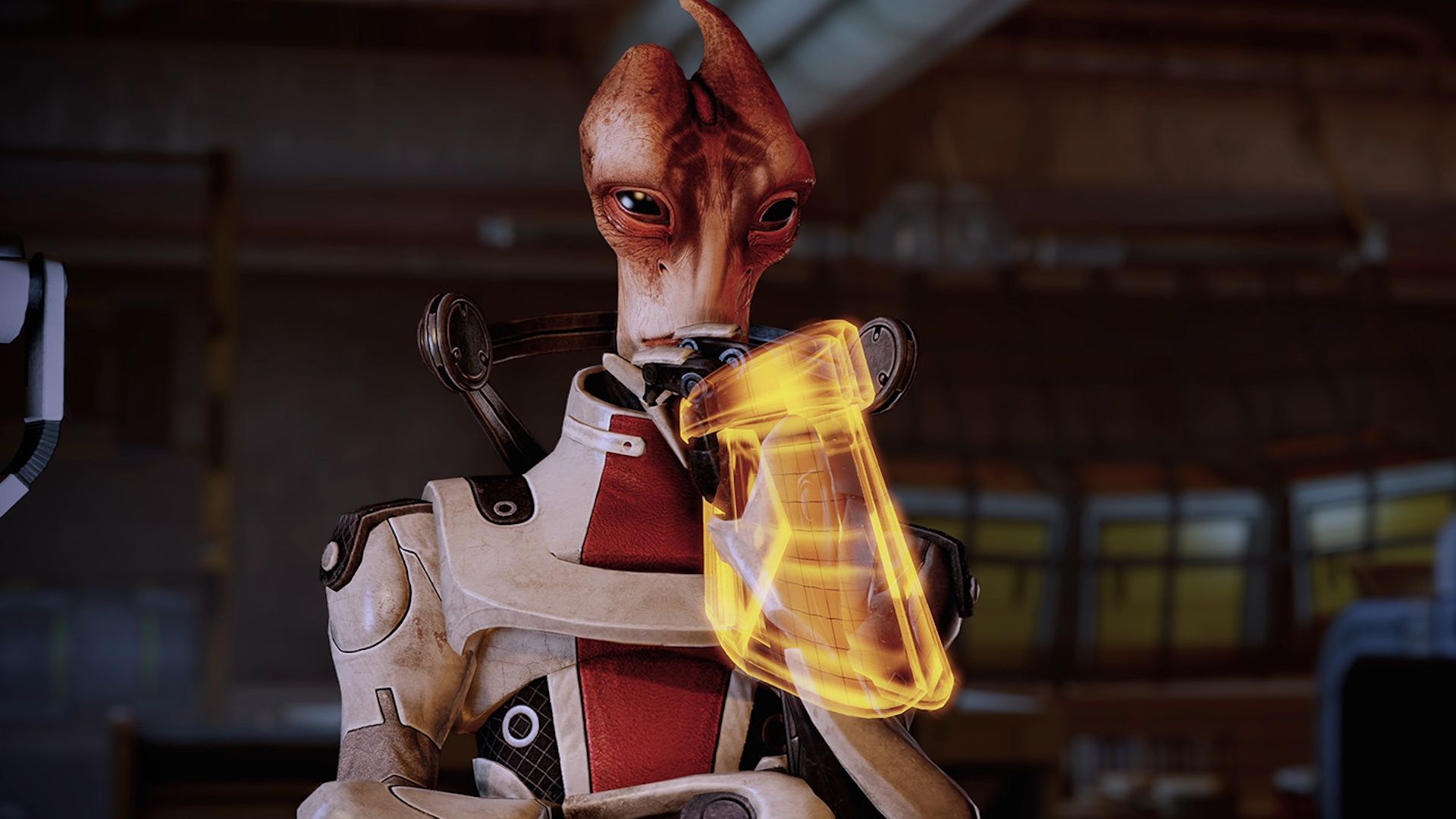
Mass Effect-style space operas are becoming rare because the gaming industry is increasingly risk-averse, favoring established IPs and struggling with the fallout of past live-service failures, rather than a lack of love for sci-fi itself.
Alright, mateys, it's N7 Day again, and you know what that means – dusting off the old Omni-tool and remembering the good old days of Commander Shepard punching aliens for galactic peace. But as I was replaying some of the trilogy (for, ahem, *research*), a rather cosmic question popped into my head: where the bloody hell are all the new space operas with that epic Mass Effect flavour?
Now, before you go yelling 'Starfield!' at your screen, let's be clear. We're talking proper, multi-civilization, intergalactic political epics. Think *Dune* meets *Star Wars* meets, well, *Mass Effect*. So, your *Starfields* and *Outer Worlds*? Cracking games, absolutely, but more like a space skirmish than a full-blown galactic war, if you catch my drift.
Turns out, I’m not the only wizard peeking through the digital tea leaves on this one. Josh Broadwell over at Polygon (hat tip, mate!) recently dug into this very mystery, chatting with some industry titans like Mat Piscatella from Circana and Stephanie Tinsley from Tinsley PR. And their take? It's not that sci-fi's suddenly gone out of fashion like flared trousers or binary morality systems. Nope, sci-fi still sells like hot cakes – just look at *Helldivers 2*, *Warframe*, or even *Fortnite*'s Star Wars shenanigans. The real problem, they reckon, is a much bigger, more systemic black hole in the gaming industry itself.
Basically, it boils down to two things: risk aversion and the siren song of established IP. Developing a sprawling, narrative-driven space opera is a monumental undertaking, like trying to build a new galaxy from scratch while simultaneously negotiating peace treaties with sentient fungi. Publishers these days? They’re looking for sure bets. Tinsley highlighted that while marketing tactics haven't changed much, the 'noise' has. It's tougher than ever to get noticed unless you've got a studio with a 'pedigree of success' and a publisher with a 'solid track record of bangers' willing to let them 'cook' – and crucially, let them cook *slowly* to avoid a buggy launch. We've all seen what happens when the oven timer goes off too soon, haven't we?
Remember the early 2010s? Everyone and their grandmother's pet Thresher Maw was trying to turn everything into a live-service, multiplayer monster. Many of those ambitious shifts flopped harder than a Krogan off a cliff, leading to layoffs and veteran devs packing their bags. The industry got a bit burnt, didn't it? And even a pandemic-era boom in new studios mostly fizzled out, leaving a wake of cosmic dust.
And here’s another wrinkle: a lack of suitable *external* IP. Piscatella mentioned how development decisions are often tied to pre-existing franchises. But if you glance at the last 15 years of sci-fi flicks, you get a lot of brilliant but one-off, focused stories like *Interstellar* – great cinema, but not exactly a ready-made galactic playground for a game dev. Even big guns like *Star Wars* are playing it safe with more intimate tales in games like *Jedi: Fallen Order*, rather than galaxy-spanning political dramas. It's almost as if they're still a bit shy about big-budget single-player after a certain unfortunate 'disavowal' (we remember, EA, we remember).
So, where are the epic single-player narratives going? They’re still happening, just not always in space opera. *Baldur's Gate 3* roared in with a D&D tie-in, CD Projekt Red embraced *Cyberpunk 2020* lore, and Owlcat Games is even tackling *The Expanse* with *Osiris Reborn*. It seems like having a pre-built universe, whether from TTRPGs or popular TV, gives you that vital leg-up – a bit like having a cheat code for world-building, really.
So, the verdict? Sadly, it seems epic space operas like Mass Effect might be in hibernation for a while. It’s not a lack of love for sci-fi, but a complex brew of industry caution, the allure of established IP, and the lingering taste of live-service failures. A real shame, isn’t it? I guess I'll just have to keep dreaming of a new galaxy to explore... or maybe accidentally creating one with a misplaced spell. You know, for science. Keep your comms open, mates!
*(This cosmic musing was inspired by Josh Broadwell's insightful article on Polygon. Big thanks for kicking off the brain-melt, mate!)*
Tags: Mass Effect, Space Opera, Gaming Industry, Sci-Fi Games, Narrative Games
Original article: Polygon