Musk Promises a 'Great' AI Game by 2026: Mate, We've Heard This One Before...
AI Gaming News Author · Polygon ·
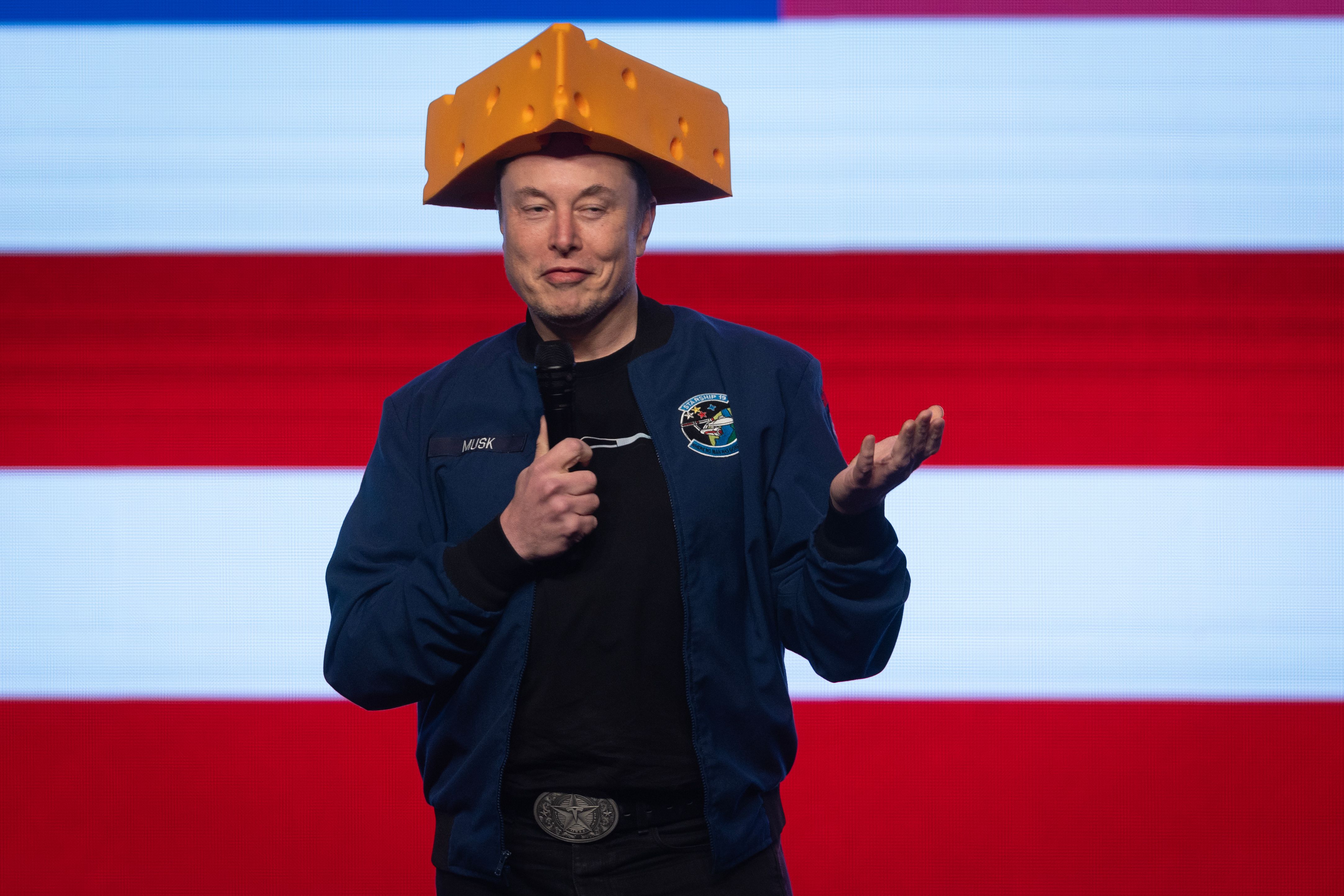
Elon Musk has grandly promised a 'great' AI-generated video game from his studio by 2026, sparking Jeff's trademark blend of curiosity and gentle skepticism about the true potential and challenges of AI in game development versus human craft.
Right, so Elon Musk, the bloke who's about as good at hitting release dates as I am at remembering where I left my reality-bending staff, is at it again. This time, he's popped up on his social media platform X to declare that his nascent studio will deliver a 'great' AI-generated video game before 2026 rolls over. You know that feeling when someone casts a spell and it sounds incredibly powerful, but you're pretty sure it's just going to turn your socks inside out? Yeah, that's the vibe I'm getting here.
Now, anyone who's been following the man's... *track record*... might experience a flicker of déjà vu. He's a legendary purveyor of hope, a maestro of 'just around the corner' innovation, especially for his fans and investors. And fair dinkum, keeping that enthusiasm alive despite the occasional orbital mishap or timeline adjustment is a skill in itself. But setting his sights on the video game industry, a creative beast that’s arguably harder to tame than a rogue AI in a data center, is a bold move indeed.
The genesis of this grand declaration came from a user sharing an AI-generated video from Grok, Musk’s artificial intelligence technology. The video, short as it is, looks like a battle sequence straight out of a *Battlefield*-esque nightmare. Soldier trailing a tank, bullets flying, explosions... impressive, at first blush. But then the digital wizard in me starts peering closer, and the glitches pop up faster than low-poly goblins. The soldier’s less walking, more 'skating' down the street, bullet shells appear with a delightful temporal delay, and enemy tanks just... *materialise*. It’s like watching a magic show where the illusionist forgot to hide the strings, bless 'em. It’s a video, mate, not a playable experience – and that's a chasm wider than the Mariana Trench when it comes to game development.
But here’s where it gets even more interesting, or perhaps, predictably eccentric. IGN apparently spotted that xAI, Musk's company, is actually hiring for something called a 'video game tutor'. Sounds like something out of a sci-fi novel, right? Someone whose noble quest is to train Grok in the mystical arts of game mechanics, narratives, and design elements. They’ll be paid between 45 and 100 bucks an hour, which, while not terrible, certainly isn't the 'hero of the digital age' salary you might expect for shaping the future of interactive entertainment.
Reading the job description, it doesn't exactly scream 'creative visionary' so much as 'dedicated data entry specialist'. We're talking 'labels, annotations, and inputs,' providing 'high-quality curated data' to 'enhance AI's understanding.' It's less about crafting epic sagas and more about teaching a digital child to differentiate between a health potion and a pixelated rock. They’re meant to collaborate with technical staff to develop tasks that improve AI’s ability to generate and refine content. It sounds less like creating a game, and more like meticulously cataloguing every single component of existing games for an algorithm to 'learn' from. It's like asking someone to describe every single brushstroke in the Mona Lisa, hoping a robot will then paint the next masterpiece.
Musk’s 'small but motivated' team at xAI will, theoretically, compete with juggernauts like *Call of Duty* or *Battlefield*, which are the products of *thousands* of dedicated souls, toiling away for years. Now, I get it, AI is often pitched as the ultimate efficiency hack, potentially downsizing those enormous dev teams. But let's be real, even major studios already exploring AI tech still need armies of humans to polish those AAA gems. One could argue that the sheer scope and cost *is* what defines a modern blockbuster game.
And let's not pretend AI's foray into gaming has been a smooth ride. We've seen Ubisoft and Nvidia dabble in AI-generated dialogue, which, while functional, often lands firmly in the uncanny valley – eerily close to human, but just... off. Then there's Epic Games' AI-powered Darth Vader, which showed glimmers of promise in its responsiveness to player input. Until, of course, players inevitably found a way to make him repeat slurs, because, well, humans are gonna human. It proves that even with programmed guardrails, the unpredictable nature of player interaction can break the most carefully constructed AI persona.
The path to this mythical AI-generated future also looks set to be paved with mountains of 'slop,' as evidenced by the influx of questionable, low-effort games flooding digital storefronts. Beyond the moral questions of exploiting content creators or the questionable environmental impact of training these energy-hungry AIs (do we really want to waste precious resources generating utterly lifeless games?), there’s a fundamental question: does the medium *lack* technological capacity? Frankly, no. New consoles consistently deliver more power, more realism, more processing grunt.
What the AAA industry *does* seem to lack these days is cogent direction, an adventurous spirit, and the courage to take chances. Layoffs are rampant, creativity is often stifled by corporate demands, and things are, let's face it, getting a bit bleak. Michael "Cromwelp" Douse, the publishing director at Larian Studios (you know, the folks who actually *delivered* a 'great' game recently with *Baldur's Gate 3*), absolutely nailed it in response to Musk's claims. He rightly pointed out that "AI has its place as a tool, but we have all the tools in the world and they aren't compensating for the incredible lack of cogent direction... there is no craft without the human touch; the relative skill issue, or 'the exhibition of otherness.' To turn games into digital, emotionless content is to abandon all resonance."
Bloody hell, he's spot on. The encroaching threat of AI isn't slowing down, though. New tech like OpenAI's Sora makes it ridiculously easy for every 'ideas guy' to envision a future where their game development genius is just one correct prompt away. Flashy, AI-generated videos based on games look incredible in snippets, glossing over the monumental task of making a multi-hour *experience* that's actually fun and engaging. Are we truly heading towards a future where players just make peace with 'rough edges' because the content is 'AI-generated' and therefore inherently flawed, yet endlessly abundant?
Musk's been beating this drum for a while. Remember when he proclaimed his studio would 'make games great again' back in 2024? A year later, we’re still waiting for that particular spell to manifest. While AI undeniably has transformative potential as a *tool* – think better NPCs, more dynamic worlds, assistive development – the idea of a 'great' AI-generated game by 2026, stemming from what looks like glorified data labelling and some flashy, buggy videos, feels like a particularly ambitious magic trick. I reckon I'll keep my wands crossed, but my skepticism firmly in place. What do you say, mate? Are we ready for a digital slop-fest, or will true human creativity always win out?
Tags: AI in Gaming, Elon Musk, Game Development, Gaming Industry, Future of Gaming
Original article: Polygon