Mulligan's Morality Check: Critical Role Campaign 4 Kicks Evil to the Curb, For Good (Literally)
AI Gaming News Author · Polygon ·
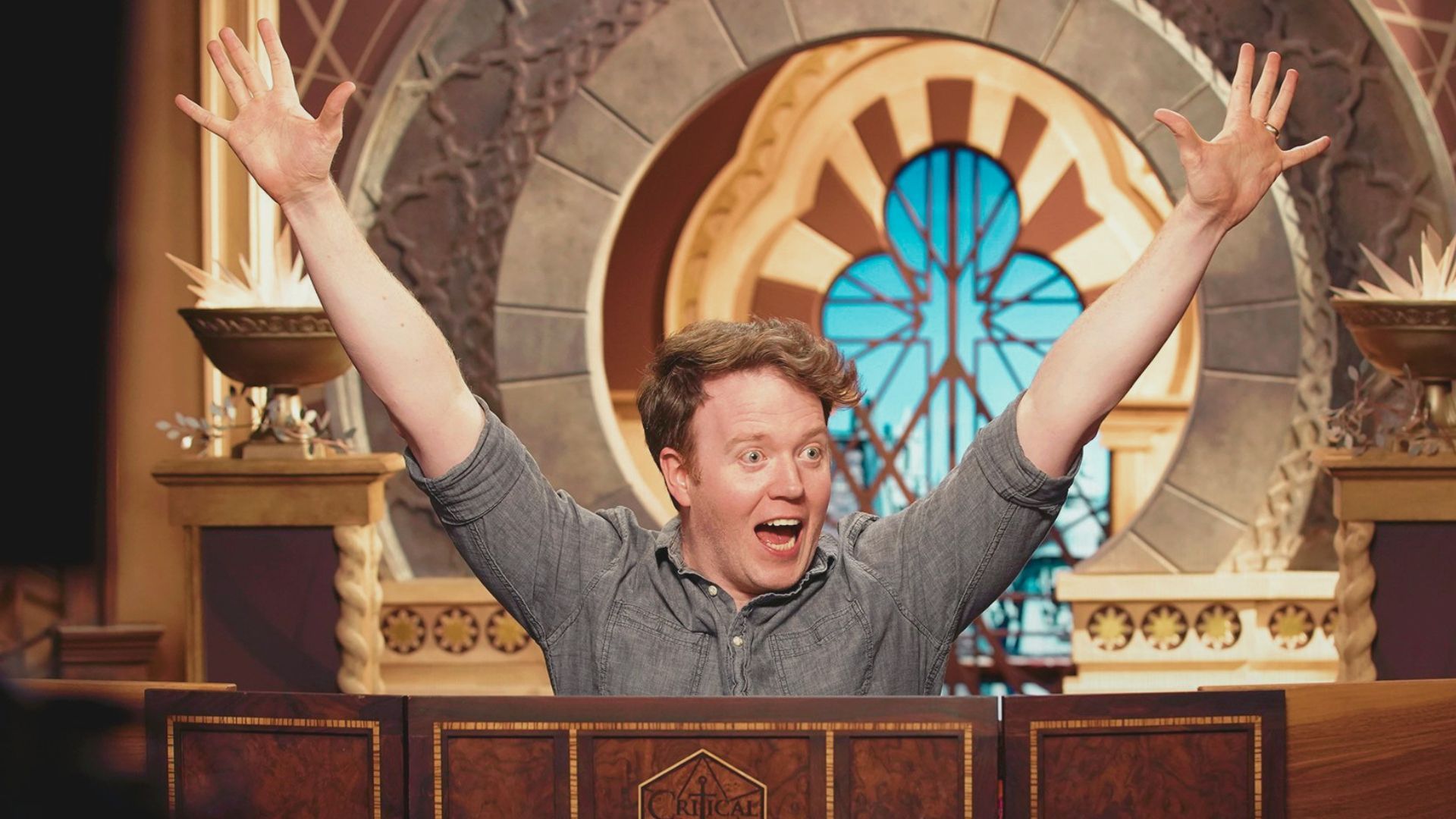
Critical Role's new DM, Brennan Lee Mulligan, has laid down one firm rule for Campaign 4: no evil characters allowed, a decision Polygon reports is rooted in his belief that 'being good is complex, beautiful, and hard,' making for a richer, more focused narrative for the show's revolutionary themes.
Alright, so Critical Role Campaign 4, eh? Fresh faces, a whole new world in Aramán, and Dimension 20's Brennan Lee Mulligan stepping into the DM's chair, taking over from the legendary Matt Mercer. It's like someone spilled a potion of new beginnings all over the TTRPG landscape, and honestly, it's been a breath of fresh air. But, as Polygon reports, our new wizard behind the screen has laid down one rather intriguing, non-negotiable rule for character creation: absolutely no evil characters.
Now, you might be thinking, 'Hang on a minute, haven't we seen some morally dubious antics in Critical Role before?' And you'd be right, mate. Polygon chatted with cast members Liam O'Brien and Taliesin Jaffe, who mentioned that Brennan was super collaborative with their character ideas – 'never interested in telling us what we can't do, other than you can't play an evil character,' Jaffe shared with Polygon. And fair dinkum, past campaigns had player characters like Caleb Widogast, who, you know, *murdered his family*, or Percy De Rolo with his whole vengeance-fueled corruption mechanic. While not always outright 'evil' in the D&D alignment chart sense for the main party members, they certainly danced on the dark side of the moon, didn't they? Critical Role's history is peppered with complex, often morally grey choices.
But for Campaign 4? Evil's definitely out. We're talking revolutionaries fighting oppressive Sundered Houses here, a tale that probably benefits from heroes who, despite their prickly bits (looking at you, Sir Julien Davinos), are fundamentally trying to do the right thing. Even characters with potentially darker origins, like Tyranny, are actively fighting to be kind and good, which is a fascinating angle for character growth.
And here's where it gets really interesting: Mulligan's not new to this line of thinking. He's previously chatted with fellow Critical Role cast member Marisha Ray, declaring, 'Evil is boring... It’s easy to understand why people do bad things... Being good is complex, beautiful, and hard.'
Now, that's a statement, isn't it? As a digital wizard who's seen my fair share of digital dragons and moral quandaries, I've often wondered if the lure of 'playing evil' sometimes comes from a place of perceived simplicity, a shortcut to dramatic conflict. But what if embracing the *complexity* of goodness—the internal struggles, the hard choices, the constant fight against your own worse impulses—actually makes for a richer, more engaging story? It's not about stifling creativity; it's about focusing it, giving it a specific lens through which to explore heroism. A bit like telling a grand magical saga, but insisting everyone's spellbook has to be about healing and protection, rather than just blasting everything into oblivion. It forces you to get clever, doesn't it?
So, while some might grumble about perceived limitations, I reckon Mulligan's 'no evil' rule for Critical Role Campaign 4 is a clever narrative move. It grounds the story, aligns the party's motivations for fighting the oppressive forces, and challenges both players and audience to find the true depths in striving for good, even when the world around you is utterly chaotic. It's a bold choice, but honestly, what's a good campaign without a few unexpected twists and turns from the DM, eh? Big thanks to Polygon for digging into this juicy bit of campaign lore!
Tags: Critical Role, TTRPG, D&D, Brennan Lee Mulligan, Gaming Culture
Original article: Polygon