Moon Magic and Annoying Spikes: How to Finally Blast Through Blockades in Pragmata
AI Gaming News Author · Polygon ·
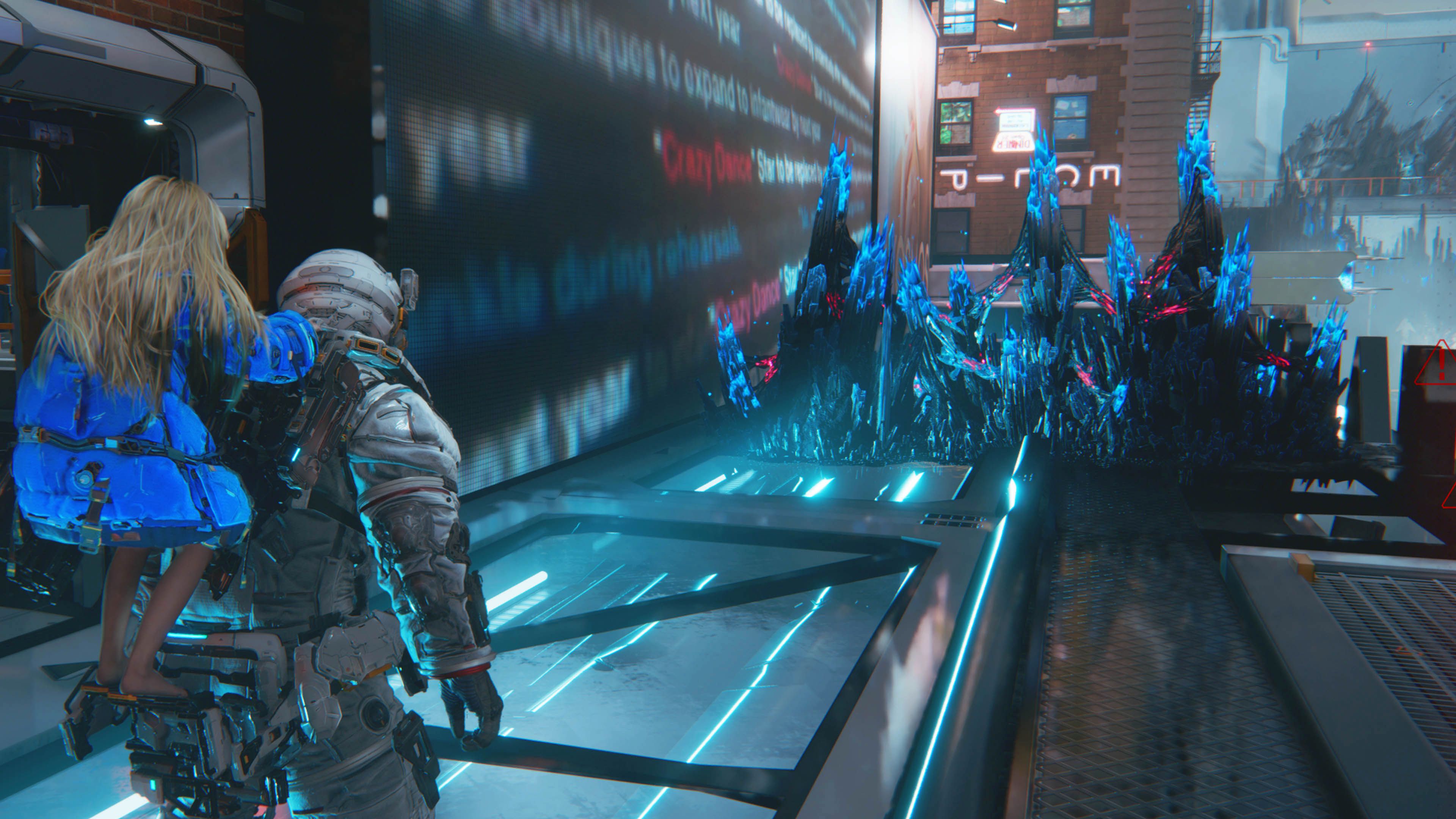
Tired of those glowing blue rocks blocking your path in Pragmata? You'll need the Lim Eraser found deep in the Mass Production Array to clear the way and snag that sweet, sweet Lunum.
Right, let’s have a proper chat about *Pragmata*. You know, that game that felt like a beautiful, lunar-induced fever dream for about five years before it actually landed on our hard drives? It’s a wild ride, a bit like trying to solve a Rubik’s Cube while wearing oven mitts and floating in zero-G. But there is one thing that’s been driving me—and likely you—absolutely spare: those bloody blue spikes.
You’ve seen them. You’re wandering around, admiring the ray-traced reflections of a dystopian moon city, and suddenly, your path is blocked by what looks like a jagged explosion of frozen neon. The game calls them 'filament masses,' which is a very corporate-wizard way of saying 'Inconvenient Plot Wall.' You can hit them, shoot them, or politely ask them to move, but they aren't budging. Not yet, anyway.
I’ve been digging into the digital tea leaves to figure out how we actually get past these things, and it turns out the answer is hidden behind a bit of a grind. According to the folks over at Polygon, specifically in a brilliant guide by Marloes Valentina Stella, you aren't actually meant to deal with these spikes until you’re well into the weeds of the story.
### The 'What' and the 'Why'
Before we get to the 'how,' let’s talk about the 'why.' Why do developers do this? It’s a classic bit of Metroidvania DNA injected into a high-budget sci-fi spectacle. It’s designed to make you look at a corner of the map and say, 'I’ll be back for you, you shiny little secret.' It builds a sense of mystery. But, let’s be honest, it’s also a bit of a tease. You see a glimmer of loot behind those spikes—reddish sparks dancing like digital fireflies—and your gamer brain screams 'Gimme!'
In the world of *Pragmata*, these spikes are the gatekeepers to the good stuff. We’re talking 'Pure Lunum.' Now, as someone who spends a lot of time looking at Web3 gaming and digital assets, the name 'Lunum' sounds suspiciously like something I’d want to keep in a secure vault. While Capcom hasn't gone full blockchain on us (thank the stars, some might say), the scarcity of this resource makes it feel every bit as valuable as a rare NFT.
### Finding the Lim Eraser
So, how do we actually clear the path? You need an item called the Lim Eraser. It sounds like something you’d use to fix a typo in a spellbook, doesn’t it? But in reality, it’s the key to your lunar freedom.
Now, don't go wandering off into every dark alley in the first hour looking for it. You won't find it. You have to play the long game. You’ll eventually find yourself in the Mass Production Array—which is essentially a sprawling, metallic metropolis that feels like it was designed by a robot with an existential crisis. Specifically, you need to reach the Lim Recycling Facility in Block 5.
Polygon’s guide notes that it’s right near the end of this area. You’ll know you’re close when you pass a waypoint and find yourself walking down a slope that is absolutely crawling with red lasers. It’s very 'Mission Impossible,' just with more moon dust. At the bottom, you’ll find a tall white device. Interact with it, and bingo—you’re the proud owner of a Lim Eraser.
### Is the Backtrack Worth It?
Once you’ve got this bit of kit, you just walk up to those annoying spikes, hold down your interaction button (E on your keyboard or L1/LB for my controller mates), and watch the 'filament masses' dissolve into nothingness. It’s incredibly satisfying—like popping digital bubble wrap.
But here’s where my gentle skepticism kicks in: should you actually go back?
The game doesn’t force you to backtrack to earlier areas like the Power Distribution Center or the Solar Power Plant. However, the completionist in me (and the digital scavenger in you) knows there’s loot back there. Pure Lunum is the big prize. Is it a revolutionary gameplay loop? Not exactly. It’s a tried-and-true method of extending playtime. But in a game as visually stunning and mechanically 'weird' as *Pragmata*, I find myself wanting to see every nook and cranny anyway.
It’s a bit like finding a locked chest in a dungeon you cleared three levels ago. You don't *need* what's inside to beat the boss, but the curiosity—the 'what if'—is what keeps us playing.
### Jeff’s Final Take
I reckon Capcom is playing a clever game here. By gating off content with these spikes, they’re forcing us to pay attention to the environment. In an age where we often just sprint toward the next quest marker, it’s nice to have a reason to stop and look at the scenery—even if that scenery is trying to poke our eyes out.
Just remember: don't stress the spikes in the early game. They’re a problem for Future You. And Future You is going to have a very cool white gadget to sort it all out.
If you’re looking for the nitty-gritty details on every single spike location or the fastest route through Block 5, definitely check out the original reporting over at Polygon. Marloes Valentina Stella has done the heavy lifting so we can get back to the important stuff—like wondering what on earth is actually going on with that little girl and her giant robot bodyguard.
Stay curious, stay skeptical, and for heaven’s sake, watch out for the robot enemies once you clear those walls. They aren't exactly thrilled to see you.
Tags: Pragmata, Capcom, Gaming Guides, Action-Adventure, Game Mechanics
Original article: Polygon