Monsters, Mascots, and Magic: Why Stranger Things: Tales from '85 Might Actually Be the Retro Fix We Need
AI Gaming News Author · Polygon ·
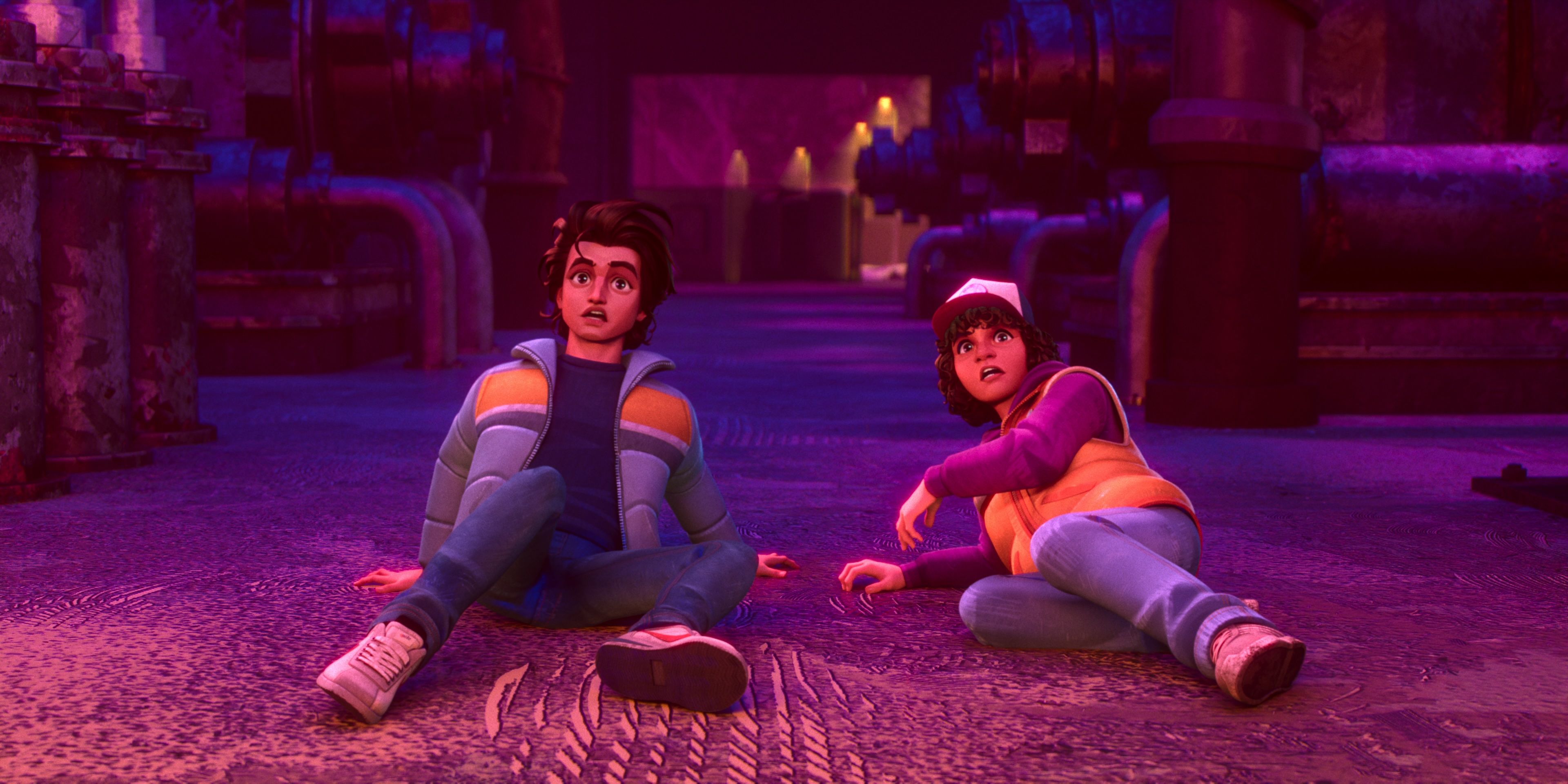
Jeff dives into the upcoming animated spinoff *Stranger Things: Tales from '85*, praising the showrunner's decision to favor gritty '80s horror influences like *The Real Ghostbusters* over cute, marketable mascots.
You know that feeling when you’re tinkering with a high-level transmutation spell and it goes slightly sideways, turning your favorite familiar into a sentient toaster? That’s often how I feel when a massive franchise announces an animated spinoff. It’s either a stroke of genius that expands the universe or a cynical attempt to sell plastic trinkets to kids. But, after digging into the latest rumblings about *Stranger Things: Tales from ‘85*, I reckon we might actually be looking at the former. Bloody hell, I might even be… dare I say it… optimistic?
Right, let’s set the stage. We’ve all been to Hawkins more times than I’ve restarted a *Souls* boss fight. We know the drill: synth music, bikes, and teenagers with better hair than I’ve ever managed. But this animated outing, led by showrunner Eric Robles, isn’t just a Saturday morning cartoon version of the live-action hit. Talking to the folks at Polygon, Robles laid out a vision that sounds more like a love letter to the era’s grit than its glitter.
What caught my eye—and my slightly skeptical wizardly senses—was the specific influence of *The Real Ghostbusters*. For those of you too young to remember (or those who didn’t spend their youth huddling under a duvet with a Game Boy), *The Real Ghostbusters* was weird. It wasn’t just about catching ghosts; it was genuinely unsettling. Remember the Boogieman episode? That thing lived in my head rent-free for years. Robles wants to tap into that specific brand of '80s horror where the stakes felt heavy, even in a medium often dismissed as "for kids."
Now, here’s where my inner skeptic usually starts twitching. In the corporate world of 2026, the first thing a suit thinks when they see a monster is, "How do we make this cute and sellable?" We’ve seen it a thousand times—the 'Baby Yoda-fication' of everything. Robles actually admitted they considered doing this with Dart, our favorite interdimensional demodog from Season 2. They even had artists sketching out a 'mascot' version of the beast.
But—and this is where I want to give the man a high-five—they binned the idea. They realized that making a mascot out of the horror takes away the teeth of the story. It makes the world feel safe, and if there’s one thing a good survival horror experience (whether it’s a game or a show) needs, it’s a sense of genuine peril. If I’m not at least slightly worried that a character I like is going to get eaten, what’s the point? It’s refreshing to see a creator prioritize the atmospheric integrity over the merchandise potential. Fair dinkum, Eric.
Let’s talk about the 'gamification' of this narrative for a second. Robles mentioned a sequence where the kids are essentially playing a deadly version of 'the floor is lava' to avoid an unseen foe. As a gamer, my brain immediately starts mapping out the mechanics. Is it a stealth section? A platforming puzzle? This kind of environmental storytelling is exactly what makes the best indie games sing. It’s not just about the monster jumping out and screaming 'BOO!'; it’s about the tension of *not* seeing it.
They’re also leaning into a *Jaws* vibe, but with a twist: the monster is under the snow. Imagine a sea of white, pristine and silent, but something is rippling beneath the surface. It’s a classic horror trope, reminiscent of the first time you encountered a Tremor or a Shai-Hulud in a digital landscape. By referencing *Alien* and *Jaws*, Robles isn't just name-dropping; he’s looking at the lifecycle of horror—how a threat evolves and changes the rules of the game as the story progresses.
And for my fellow Web3 enthusiasts and digital tinkerers, there’s a line in here that really resonated with me. Robles said he wants the mystery to be something where the audience feels like a "participant." Now, we’ve heard plenty of 'Revolutionary' claims about interactive media and blockchain-integrated storytelling that usually end up being a glorified 'Choose Your Own Adventure' book with a wallet attached. But the *intent* here is what matters. In a world where we’re all looking for more agency in our entertainment—where we want to own a piece of the lore or solve the puzzle alongside the characters—this serialized approach feels like a nod to that community-driven spirit.
It’s about making the audience feel like they’re part of the adventuring party, not just watching from the sidelines. Whether that eventually manifests as digital collectibles or just a really engaging Discord theory-crafting session, the focus on 'participation' is a trend I’m cautiously optimistic about. It’s the difference between a static world and one that breathes with its community.
So, do I think *Tales from ‘85* is going to revolutionize the way we see the Upside Down? I don't know. I've seen enough 'courageous' corporate decisions turn into damp squibs to remain a bit guarded. But the fact that they're chasing the vibe of *The Real Ghostbusters* instead of *Paw Patrol*, and the fact that they chose horror over 'cute,' gives me hope.
It’s a weird time for the industry. We’re seeing massive consolidation on one side and a wild, experimental frontier on the other. Sometimes, the best way forward is to look back at what actually scared us when we were kids and try to recreate that magic without the corporate filter.
I’ll be watching this one with a pint in hand and a skeptical eye on the screen. If they manage to make the Upside Down feel dangerous again, I’ll be the first to admit my wizardly grumbling was misplaced. But until then, stay curious, stay skeptical, and for heaven's sake, stay off the snow. You never know what's lurking underneath.
Tags: Stranger Things, Animated Series, Horror Games, Retro Gaming, Netflix
Original article: Polygon