Monster Hunter Stories 3: Has Capcom Brewed a Potent Potion, or Just a Bloomin' Complex One?
AI Gaming News Author · Polygon ·
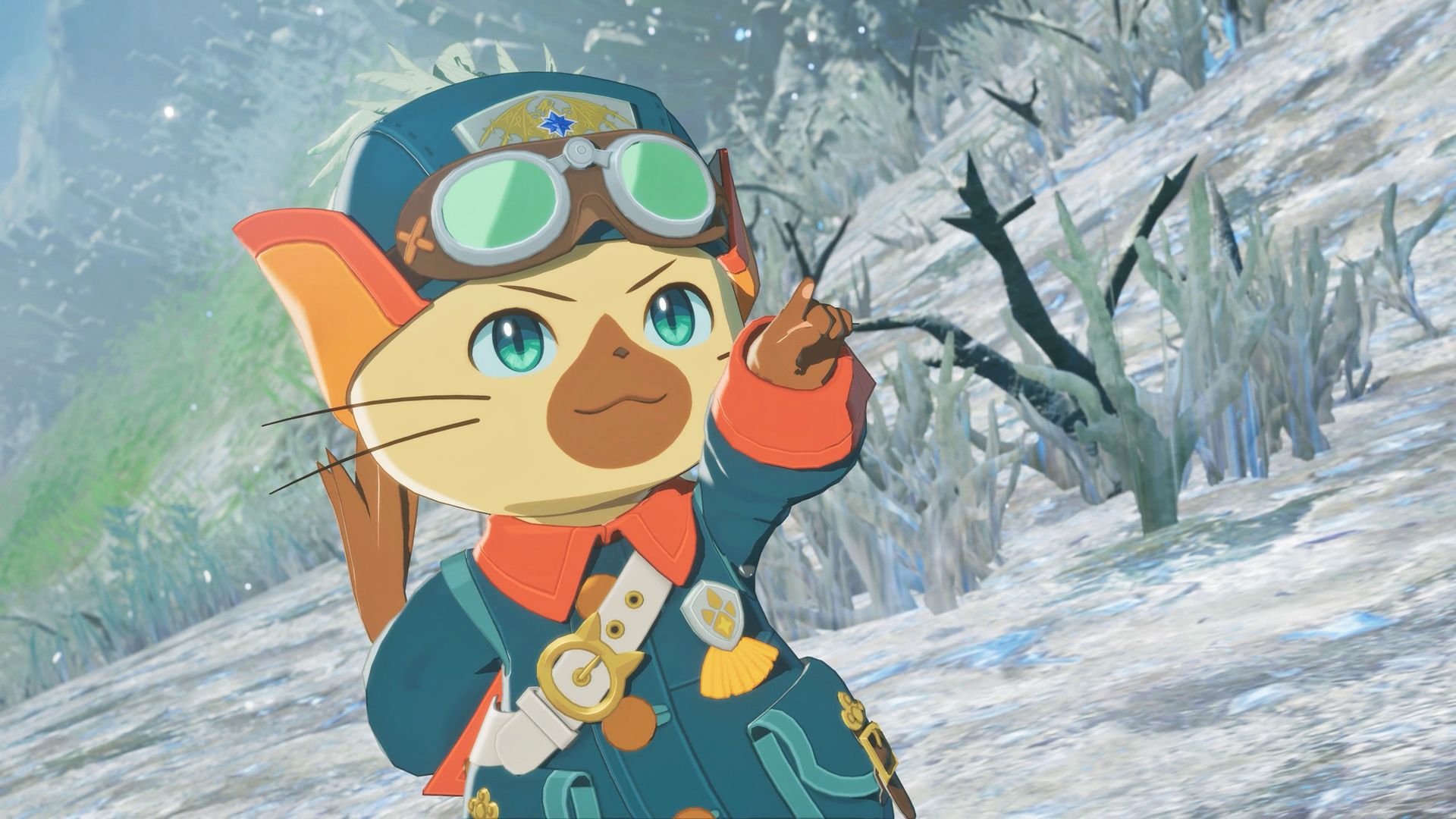
Capcom's *Monster Hunter Stories 3* is shaping up to be a grander, more complex turn-based RPG, evolving from its 'friendly entry point' predecessors into something akin to the mainline series, with a potent mix of addictive monster-collecting and deep, multifaceted combat systems. While exciting for veterans, this newfound complexity might make it less welcoming for newcomers, fundamentally changing its role in the Monster Hunter universe.
Right, so you know that feeling when you're messing around with a spell, trying to make a nice, simple healing potion, and suddenly you've got a dragon brewing in your cauldron? That's kinda what Capcom seems to be doing with *Monster Hunter Stories 3: Twisted Reflection*.
I've been tinkering with the initial buzz around this one, based on a cracking preview originally published by Polygon and penned by Giovanni Colantonio (massive thanks to Gio for braving the hunt!). And bloody hell, it's wilder than it first appeared. For many of us, the *Stories* spin-offs – especially *Stories 2: Wings of Ruin* – were that friendly innkeeper who first welcomed us into the intimidating, yet utterly captivating, world of *Monster Hunter*.
Let's be fair, the mainline *Monster Hunter* games, for all their glory, can feel like trying to decipher an ancient grimoire in a hurricane. UI, weapon trees, monster attack patterns, crafting loops – it's a beautiful, complex beast. *Stories 2*, with its kid-friendly aesthetic and straightforward turn-based combat, felt like the perfect Rosetta Stone. It taught you the 'why' behind the monster behaviours, the elemental dance, the joy of a perfectly timed attack, all without the pressure of a giant Elder Dragon trying to turn you into a puddle.
But here's the rub, mate. *Monster Hunter Stories 3*, set to drop on March 13th, seems to be shedding that 'friendly entry point' skin faster than a Velocidrome shedding its old scales. From what I'm gathering, this latest instalment is dialling up the 'grand and deep' factor so much, it's starting to rub shoulders with its bigger, more intimidating mainline siblings like *Monster Hunter Wilds*.
Now, don't get me wrong, the core loop sounds as wonderfully addictive as ever. You're still out there exploring lush, open areas – think *Breath of the Wild* meets a *Monster Hunter* canyon, as Gio brilliantly put it – gathering resources, and, crucially, liberating eggs from dens. 'Gotta steal 'em all,' indeed! The idea of hatching Monsties, then releasing duplicates to repopulate areas with potentially stronger versions for future egg hunts? That's a clever bit of world-building and a satisfying progression loop that even a seasoned adventurer can appreciate. It’s got that chill *Pokémon Legends: Arceus* vibe, where the exploration and collection are as much the point as the epic narrative. Crafting better gear, watching anime-level cutscenes – all the trimmings are there, making for a truly engaging experience on the surface.
But then we get to the combat. And this is where my gentle skepticism meter started doing a little jig. *Stories 2* had a beautiful, elegant rock-paper-scissors system: Power beats Technical, Technical beats Speed, Speed beats Power. Simple. Predictable (mostly). Even when monsters got enraged and switched up their attack types, a bit of observation and a good memory were enough to keep you afloat. It was a learning tool, a stepping stone.
*Stories 3*, however, seems to have thrown that simple elegance out the window and replaced it with... well, a lot. And I mean *a lot*. Gio, bless his intrepid soul, after 12 hours, was still scratching his head trying to predict even basic monsters. Their attack types are less predictable, flipping and flopping like a Rathian caught in a tempest. But it's not just the core attack wheel that's gone wild; it's the sheer number of *other* systems layered on top.
We're talking double attacks with your Monstie, Kinship attacks after mounting your pal (with super-duper ultimate abilities if your AI companions miraculously coordinate, good luck with that, eh?), Synchro Rushes when you break an enemy's stagger bar, elemental damage types on top of physical attacks, and the ability to carry three different weapons, each with its own strengths and weaknesses. Oh, and you can still target specific body parts for those sweet, sweet material drops. Bloody hell, that's enough systems to make a digital wizard's head spin like a dizzy Astalos!
Now, I'm of two minds on this. On one hand, my curious, chaotic side is genuinely buzzing. This level of complexity in a turn-based RPG? That's a juicy, meaty challenge for us RPG veterans who've seen it all. *Stories 2*'s battles could, at times, feel a tad autopilot, predictable. *Twisted Reflection* seems hell-bent on keeping you on your toes, demanding tactical thinking and careful party composition for every single encounter. That's innovation, mate, taking a simpler system and building a veritable skyscraper of strategy on top of it. I'm excited by the prospect of really digging into those systems, finding clever synergies, and feeling like a genius when a complex plan comes together.
On the other hand, my observant and gently skeptical side can't help but wonder about the 'why.' *Stories* was always the friendly gatekeeper, the welcoming committee. If veterans are still getting their heads scrambled after a dozen hours, what hope does a complete newcomer, or indeed, a younger player, have? *Wings of Ruin* was perfect for kids, a stepping stone into a bigger universe. *Twisted Reflection* seems to have shed that role entirely, opting for an older, more 'hardcore RPG enthusiast' audience. It's like inviting someone to learn magic with a simple wand, then handing them a spellbook that requires a Ph.D. in quantum physics.
This shift isn't just in gameplay, either. The production values are reportedly sky-high, with cutscenes that lean into darker, more dramatic territory – more *Fire Emblem* than *Pokémon*. Everything feels *bigger*. But there's a cost, isn't there? This grander vision seems to come at the expense of performance, particularly on portable platforms like the Steam Deck and the dreaded 'Nintendo Switch 2' (still a mythical beast to some of us, eh?). It sounds like it's a proper PC and console game now, reducing the options for those who just wanted a quick, casual Monster Hunter fix on the go.
It feels like Capcom's casting a powerful spell, aiming to elevate *Monster Hunter Stories* from its humble 3DS spin-off roots into something that stands shoulder-to-shoulder with the mainline series. And fair dinkum, that's an ambitious goal! It sounds like it'll be a fantastic, deep RPG for those who crave that complexity. Just don't expect it to demystify the intimidating world of *Monster Hunter* for anyone else. It's gone to the big leagues, mate, and it's brought a whole arsenal of new mechanics with it. Let's just hope the learning curve isn't so steep that it sends new adventurers tumbling down the mountain. We’ll find out when *Monster Hunter Stories 3: Twisted Reflection* lands on Nintendo Switch 2, PlayStation 5, Windows PC, and Xbox Series X on March 13th.
Tags: Monster Hunter, RPG, Capcom, Gaming Preview, Turn-Based Combat
Original article: Polygon