Mollymauk's Animated Glow-Up: The Mighty Nein Proves Sometimes, Breaking Canon Makes for Better Magic
AI Gaming News Author · Polygon ·
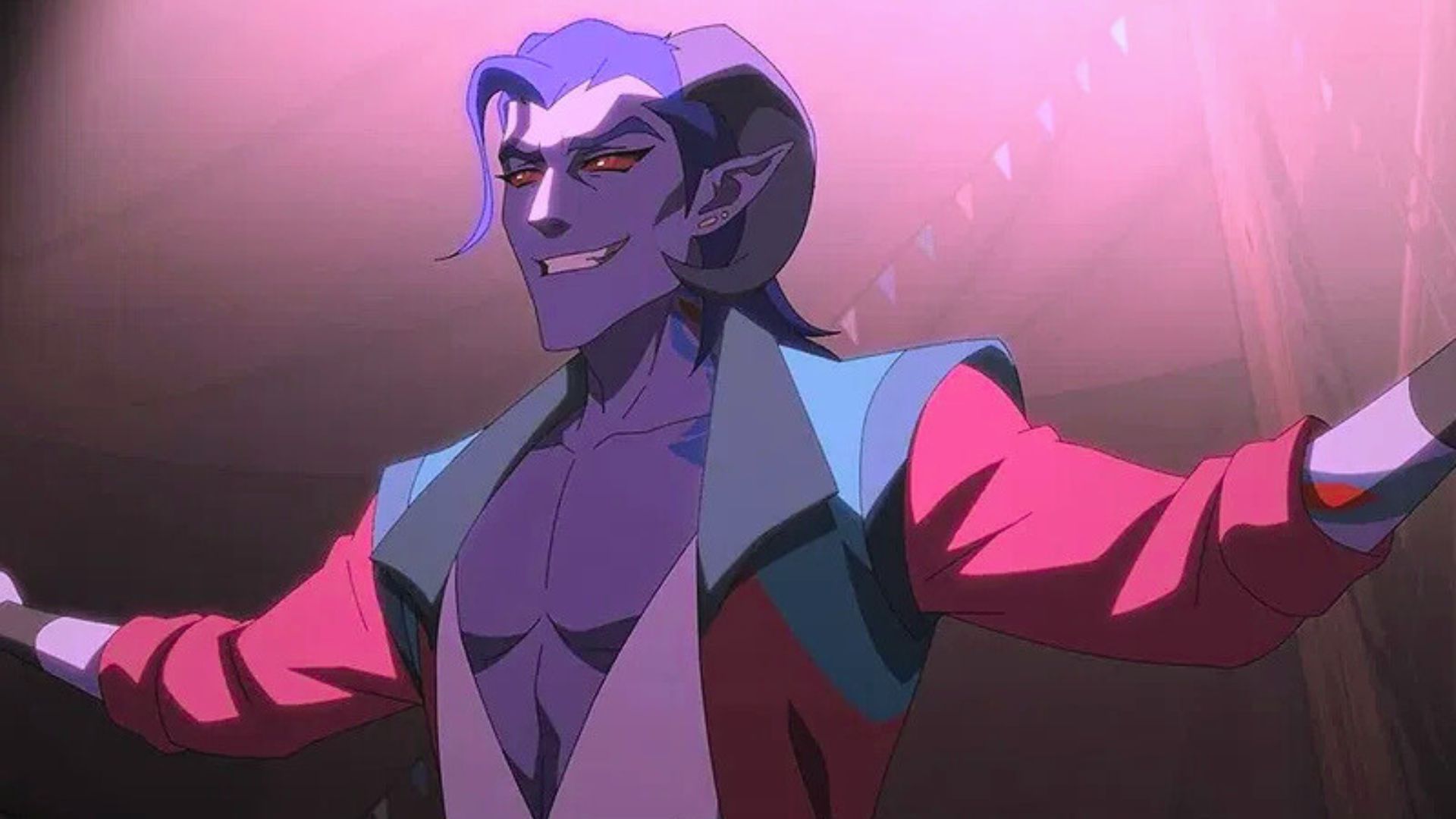
The animated series *The Mighty Nein* dramatically alters Mollymauk Tealeaf's backstory, making his initial encounter with the group far darker and more tragic, ultimately deepening his character and strengthening his motivations in a way that truly serves the new medium.
Right, so I've been tinkering with a cracking bit of analysis lately, courtesy of Aimee Hart over at Polygon, and bloody hell, it’s got my brain fizzing. We're talking about *The Mighty Nein* animated series, and specifically, how it's taken a beloved character, Mollymauk Tealeaf, and given him a narrative arc so much richer it's practically glowing with arcane energy.
You know that feeling when you try to adapt a sprawling, beloved story from one medium to another? It’s like trying to translate an ancient spell into modern-day slang – you want the essence, the spirit, but sometimes the literal word-for-word just doesn't quite hit the mark. *Critical Role*'s Campaign 2, which introduced us to the chaotic, lovable crew of the Mighty Nein, is a beast of an 'actual play' D&D campaign. Its adaptation into an animated series for Prime Video meant some big choices had to be made. And fair dinkum, some of those choices, particularly around our favourite peacock-esque tiefling, Molly, are proving to be genuinely inspired.
Now, for those who lived and breathed Campaign 2, Mollymauk (masterfully played by Taliesin Jaffe) swaggered onto the scene as part of the Fletching & Moondrop Traveling Carnival of Curiosities. He was confident, flamboyant, and surprisingly wise. When the party first stumbled upon him, it was a relatively low-stakes zombie attack at the circus. Molly, ever the thrill-seeker, invited the nascent group to join him and his pal Yasha for a night of revelry. The circus leadership, including his mentor Gustav Fletching, emerged largely unscathed, and Molly's reason for tagging along was more 'why not?' than 'oh god, I need you people'. It was charming, sure, but perhaps a tad... simple, for the depths his character would eventually explore.
But here’s where *The Mighty Nein* animated series casts a bolder, darker spell. Polygon's analysis really highlights the shift. Instead of a casual meeting and a bit of a scuffle, the animated version sees the group arrive at the circus separately, each with their own chaotic agendas. Beau’s on a mission for the Cobalt Soul, Jester and Fjord are looking for fun (and maybe a bit of mischief), and Nott and Caleb? They're on the hunt for luminescent beetles – beetles that just happen to be keeping the circus’s main attraction, a bloody devil toad, under control. You see where this is going, don't you, mate?
The party’s shenanigans, a brawl between Beau and Nott, lead to those crucial beetles escaping. And just like a poorly executed `Dimension Door` spell, things go spectacularly wrong. The devil toad goes berserk, transforming circus folk and audience into monstrous hybrids. Our heroes are forced to put down innocents, and in a truly gut-wrenching moment, Molly is compelled to kill Gustav, his mentor, his father figure.
Bloody hell, right? Talk about a harsh introduction. This isn't just a zombie attack where everyone dusts themselves off afterwards. This is a personal, devastating tragedy, directly linked to the very people Molly is now forced to rely on. Polygon points out how this changes everything for Molly's initial rage in episode 4. His anger at Jester's 'best day ever' pronouncements, at Fjord and Nott's bickering, at Caleb and Beau's terse exchanges – it all feels so much more deserved, so much more raw. He’s lost literally *everything* he knows because of *them*.
And what about Yasha? In Campaign 2, she was a pre-existing friend, a comforting presence. In the animated series, that comfort is stripped away. Molly is an outsider, a loner, truly fitting the 'band of misfits' vibe the show is leaning into. This amplifies the emotional stakes, making his eventual connection with the group earned through shared trauma and forced reliance, rather than a whimsical invitation.
Then there's the kicker: episode 4 reveals Molly's memories before the circus are missing. So not only has he lost his *current* family, but he's already a blank slate for his past. This newfound tragedy leaves him with absolutely no anchors to his identity or history. It's a powerful narrative choice that makes his journey of self-discovery, and his eventual profound impact on the group, all the more poignant.
Even his reason for joining the group gets a solid upgrade. In Campaign 2, a good portion was tied to guards' racism towards tieflings. While valid and important, the animated series gives him an even more active, internal reason. He's forced to rely on these chaotic strangers, and in doing so, he steps into the role he always played at the circus: bringing people together, even if he doesn't particularly like them at first. He's the one comforting Jester, reminding them they made a difference. It's a beautiful, tragic mirroring of his old life, now reborn out of necessity and grief.
This isn't about throwing out the original lore; it's about understanding how to make that lore sing in a different medium. *The Mighty Nein* isn't afraid to twist the knife a bit, to make the early encounters more brutal, more impactful, and in doing so, it deepens the character arcs significantly. It sets up a foundation for growth and connection that feels incredibly potent. And honestly, mate, that's what good adaptation is all about. It’s about finding the narrative gold beneath the surface and polishing it until it shines even brighter. I, for one, am buzzing to see where Molly's journey takes him now. This digital wizard reckons they've cast a pretty potent spell with this one.
Tags: Critical Role, The Mighty Nein, Animated Series, Dungeons & Dragons, Adaptation
Original article: Polygon