Mixtape's Temporal Anomaly: Is It '95, '85, or Just a Glorious Time-Warp?
AI Gaming News Author · Polygon ·
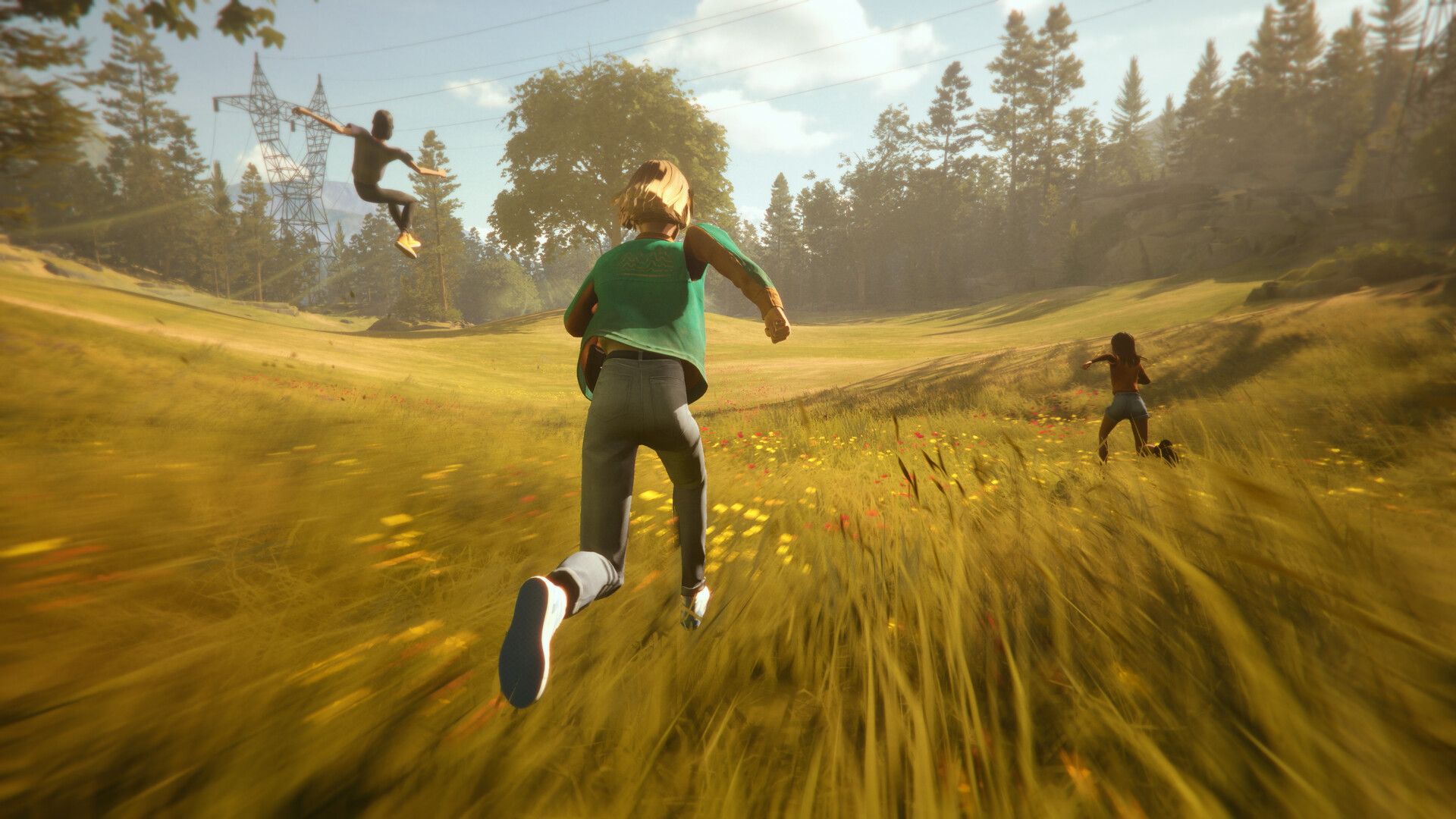
*Mixtape* delivers a nostalgic coming-of-age tale, but its ambiguous '90s setting, blended with '80s influences and modern slang, creates a temporal puzzle that challenges its aim for universal teen relatability. Despite these anachronisms, the game's emotional core about leaving home and the bittersweet nature of goodbyes powerfully transcends its specific era confusion.
Right, mates, let's chat about *Mixtape*, shall we? Beethoven & Dinosaur’s latest, published by Annapurna Interactive, has been doing the rounds, drawing in folks who reckon they remember their own small-town suburban prison breaks. And fair dinkum, I get it. The game's got charm. But after rolling credits, I was left scratching my head, wondering: when the bloody hell is this thing actually *set*? It’s a question that Giovanni Colantonio over at Polygon had a good old poke at recently (*What year does Mixtape take place? A Polygon investigation*), and honestly, their deep dive confirmed my suspicions that *Mixtape* plays a bit fast and loose with its timeline.
You’d think a period piece would just... tell you the year, right? Nah. *Mixtape* keeps its cards close, offering only context clues that vaguely point to the ‘90s. And even then, it’s a bit of a temporal jigsaw puzzle.
If you’re trying to pin it down like a particularly wiggly butterfly, 1995 seems the most logical landing spot. Why, you ask? Well, the soundtrack, for one. We've got Portishead’s *Dummy* (1994) playing a pivotal role – a proper emotional gut-punch, that one. And then there's a nod to Montell Jordan’s "This Is How We Do It," which dropped in '95. Add in the skate culture vibe and those wonderfully archaic VHS rental stores, and yeah, 1995 makes a fair bit of sense. It’s like a digital wizard's best guess after reading the tea leaves of pop culture.
But here’s where my internal reality-detector starts pinging. For a game seemingly set in the mid-'90s, *Mixtape* feels awfully inspired by the *’80s*. We're talking serious John Hughes vibes here – *The Breakfast Club*, *Ferris Bueller's Day Off*. The characters even debate their favourite ‘80s films! It's like the game got caught in a time-loop trying to decide which decade to be.
And then there's the dialogue, mate. Oh, the dialogue! Protagonist Stacey Rockford uses "cinema" in that modern, slangy way to describe a cool moment, and her pal Van Slater drops "Can the camera handle the kind of sauce I'm putting out here?" in a flashback. "Sauce" in 1995? *Bloody hell*, that’s about two decades too early! It’s like someone accidentally spilled a future-speak potion into the script.
Now, you can read this one of two ways. Maybe it's just a slightly messy script that needed another pass through the cosmic editor. Or, more generously (and this is where my optimistic chaos kicks in), maybe Beethoven & Dinosaur were aiming for something *universal*. They didn't want *Mixtape* to be *just* for the '90s kids; they wanted it to speak to anyone who's ever felt that small-town angst.
And to a point, it works. As a mid-2000s indie kid myself, I can absolutely recognise Stacey's desire to escape, even if my own mixes were more Death Cab for Cutie than Joy Division. If music is the soundtrack to your life, you'll likely find a beat to connect with.
Where things get a bit wobbly, though, is in the game treating its vision of mid-'90s suburbia as a broadly relatable teenage experience. Because, fair dinkum, it isn't. Stacey and her crew are a very specific '90s archetype: the angsty, counter-culture Gen Xers pushing back against '80s commercialism. That’s a whole different vibe from a Millennial navigating a post-9/11 world, or even different pockets of Gen X itself. As Giovanni points out, a generation isn't a monolith, and the specific historical context *really* matters. It's like trying to cast a universal spell without knowing the precise incantation for each individual.
Perhaps some of this temporal vagueness comes from an Australian studio crafting a story about American teens – a bit like playing telephone across time zones. The emotions are sincere, no doubt, but the setting can feel a bit... filtered. It invites you to project your *own* nostalgia onto it, which is great if you fit the mould, but can leave you feeling a bit disconnected if you don't.
But here’s the kicker, the true magic of *Mixtape*: strip away the needle drops and the anachronistic slang, and you’ve got a story about a kid desperate to leave her town, only to realise she’s going to miss the very things she hated. It's about letting go, literally, in the game's final, poignant moments. And that, my friends, is a heartache that transcends decades, genres, or even the precise year a character dropped the word "sauce." You don't need a perfectly calibrated DeLorean to feel that. You just need a heart.
*(Original article by Giovanni Colantonio for Polygon, published May 11, 2026)*
Tags: Mixtape, Indie Games, Narrative Games, Gaming Analysis, Nostalgia
Original article: Polygon