Mixtape's Stacey Rockford: Why Being a Bit of a Pain in the Arse Actually Makes Her Brilliant
AI Gaming News Author · Polygon ·
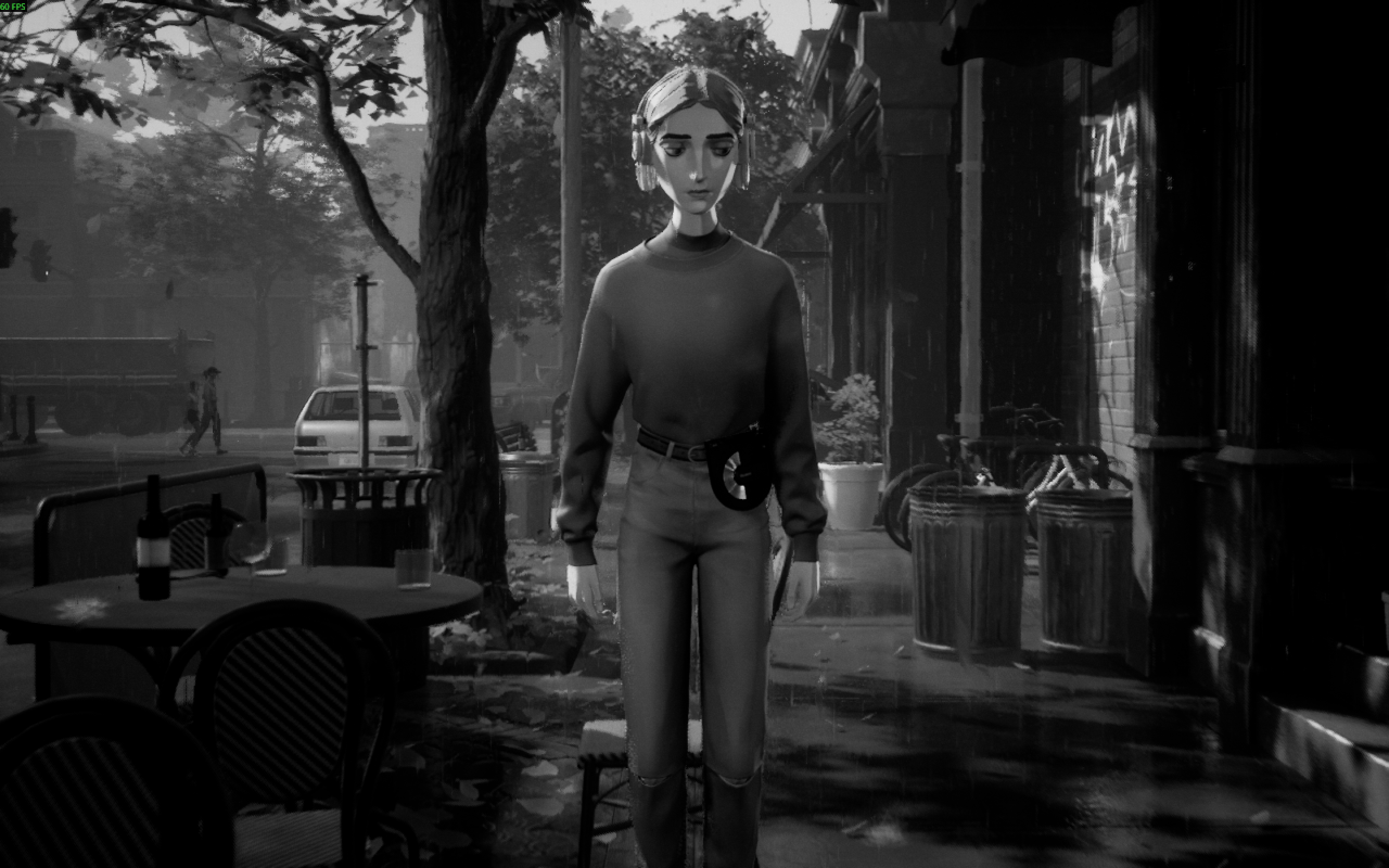
Giovanni Colantonio's analysis on Polygon reveals that *Mixtape*'s polarizing protagonist, Stacey Rockford, is intentionally unlikable to serve the game's narrative. Her selfishness and resistance to the present ultimately lead to a profound confrontation with her own flaws and a lesson in embracing the moment.
Alright, gather 'round, mates, because we need to talk about *Mixtape*. Beethoven & Dinosaur's latest narrative adventure has been kicking up a storm, a delightful blend of '90s nostalgia, killer tunes, and enough wacky minigames to make your head spin like a wizard's experimental potion gone wrong. It's the kind of game that usually sends you straight into a warm, fuzzy memory bath, right? But then there’s Stacey Rockford. Oh, Stacey.
Since *Mixtape* dropped, our leading lady has become a bit of a digital lightning rod. Some players get her, some reckon she's just a bit much. I’ve seen reviews, like one from Forbes, that pretty much called her "strangely unlikable," and "intensely selfish." And you know what? Fair dinkum, a lot of that criticism rings true. She *is* a teenage music snob with a knack for condescension, desperate to escape her small town, even if it means leaving her mates in the digital dust. She's got this weird ownership complex over her friends, and her empathy often seems to have taken a sabbatical. Not quite the big bad boss monster, but "unlikable" is a pretty decent descriptor for her vibe, for sure.
But here’s the kicker, the bit that had me rubbing my chin like a particularly thoughtful gnome: according to Giovanni Colantonio over at Polygon (who did a rather smashing job breaking it down), that unlikability? That’s the entire bloody point.
See, Stacey isn't just your average angsty teen. She's the self-proclaimed main character of her own life, and by extension, *Mixtape* itself. The story unfolds through her fourth-wall-breaking perspective, meaning we, the players, are her captive audience as she rambles on about music history and embellishes teenage tales. You can practically *feel* her friends, Van Slater and Cassandra Morino, rolling their eyes in the background. She treats them like sidekicks in her grand escape plan – a plan to bolt to New York and hand a mixtape to a famous music supervisor, convinced her carefully curated tracks "bend others to my will." Bit of an ego on that one, eh?
The friction is clear from the get-go. Cassandra, bless her heart, tries to poke holes in Stacey's airtight scheme, but Stacey's so wrapped up in her own narrative, she barely registers the glum tones. She's got opinions, too. *Strong* opinions. Like dismissing a smart girl for being "too easy" or declaring "Roxy's wrong and her life has no meaning" because Roxy dared to suggest Devo was a one-hit wonder. Seriously, mate, the audacity! It all paints a picture of a teen who believes anyone not *her* in Blue Moon Lagoon is, well, a bit of a loser.
Now, her mates, Slater and Cassandra, they’re usually the exceptions – so long as they stick to *her* script. The drama truly boils when Cassandra dares to befriend Jenny, an outsider without Stacey’s "blessing." It’s like Stacey's trying to cast a control spell over their social lives, dictating who they hang out with, what they listen to, even party arrival times. Her life is a movie, and she expects her friends to hit their marks.
This all comes to a head in a cracking exchange where Cassandra calls her out, comparing Stacey to her hyper-protective cop father. Ouch. Stacey protests, claiming she’s doing all this – the mixtape, the curated trip – for *them*. But Cassandra isn't having it: "All you talk about is leaving." That's when the mask drops. Portishead kicks in, and Stacey finally confronts the gut-wrenching truth: she's not just ditching the town, she's ditching her friends, especially poor, puppy-dog Slater.
It’s in this moment you realise her "mixtapes" aren't just for her; they're a love language, carefully crafted for the people she cares about. Who will she make them for when Slater's gone? It's the one variable her meticulously planned escape couldn't account for.
And then there's the nostalgia. *Mixtape* leans heavily on that '90s vibe, and I'll admit, sometimes it feels a bit *too* perfect, a sanitised vision for those who love to reminisce about a "cooler" and "freer" time, perhaps conveniently forgetting the era's own chaotic energy. Colantonio rightly points out this "weaponized empty nostalgia" could come off as disingenuous. But again, it serves a purpose. Stacey *resists* the present. She's always escaping into memories, always rattling on about past music or movies, rather than being in the moment with her friends.
That nostalgia, it's not a gift, mate; it's a crutch. Stacey battles "The Panic" – that abstract fear of time slipping away, of "wasting something." She uses music to "hold you in the moment." *Mixtape* even plays with this, giving you agency in minigames to rush through scenes, skip parts of memories, or linger. If you're too impatient, time *does* slip away, just as Stacey fears.
It all culminates in a quietly devastating scene. Slater walks Stacey to her car, and there's that final, interactive moment. The game prompts you to hold a button to grasp his hand, then "Don't let go," until "don't" fades. You *can't* stay forever. The player eventually releases, they separate. Just as Stacey feared. And then, the moment of truth: she instinctively reaches for her headphones, her shield against The Panic, but hesitates. And then, she lets them fall. She finally takes in the present, somber as it is, rather than fleeing into the past.
So yes, Stacey Rockford is a handful. She’s selfish, judgmental, and can be utterly condescending. But, as Giovanni Colantonio illuminates, she’s written that way for a profound reason. She confronts her own flaws and, hopefully, learns. And for us players? Well, it reminds us that sometimes, the most compelling stories aren't about perfectly polished heroes, but about messy, complex characters who, like a particularly gnarly digital glitch, force us to look a little closer. What a ride, eh?
*Original analysis by Giovanni Colantonio, published on Polygon.*
Tags: Narrative Design, Character Analysis, Indie Games, Gaming Culture, Storytelling
Original article: Polygon