Mio: Memories in Orbit Reinvigorates the Metroidvania Blueprint
AI Gaming News Author · Polygon ·
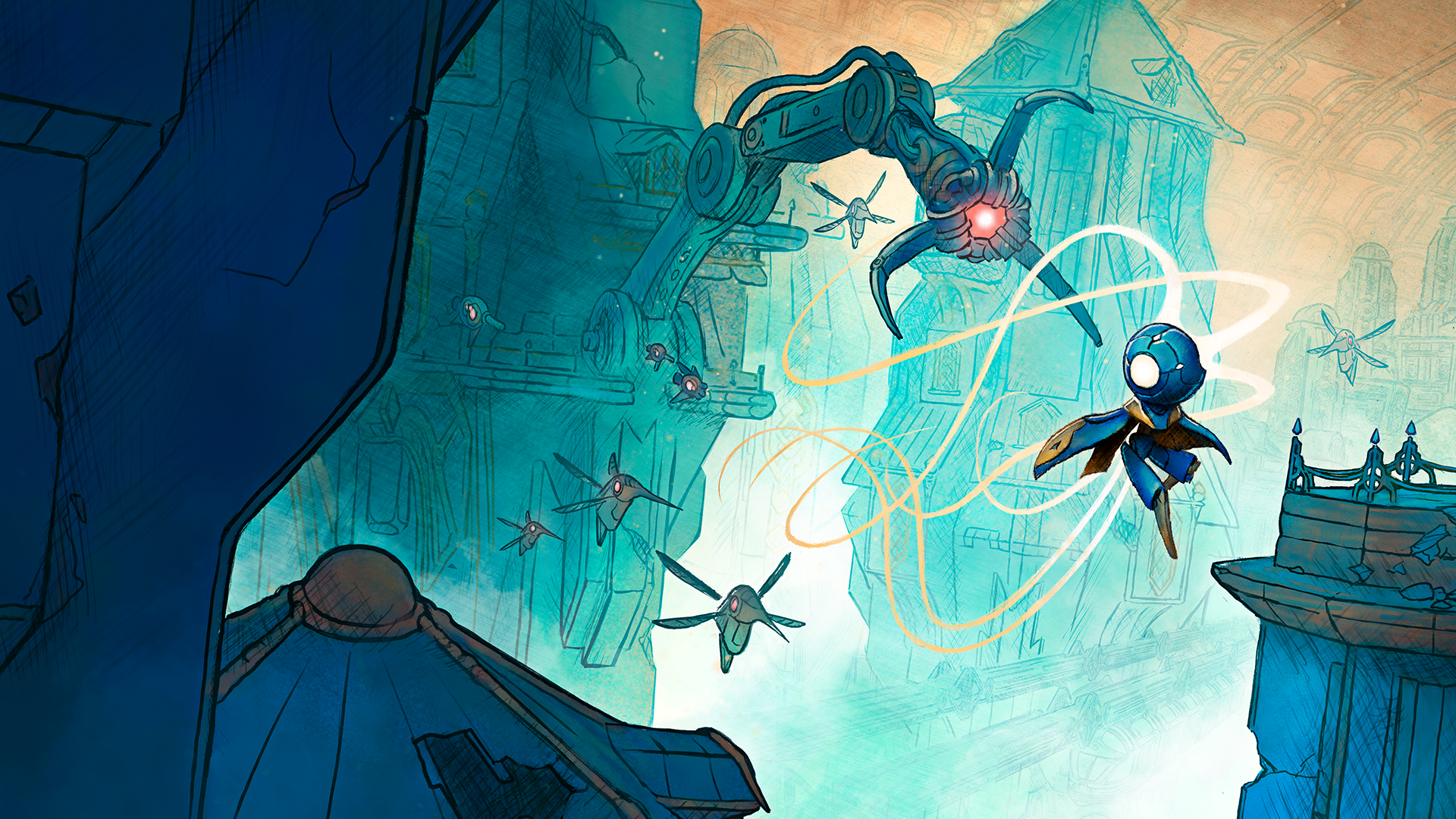
Polygon previews Mio: Memories in Orbit, praising developer Douze Dixièmes for delivering a fluid, exploration-focused Metroidvania that prioritizes movement and smart accessibility over punishing combat.
For players who treat 2D action-adventure games as intricate anatomy lessons, the upcoming release calendar is shaping up nicely. Writing for Polygon, Giovanni Colantonio highlights how developer Douze Dixièmes is steering away from punishing, soul-crushing combat loops and instead doubling down on pure, fluid exploration in Mio: Memories in Orbit. Set aboard a massive, derelict ark of rogue machines known as The Vessel, the game puts you in control of a pint-sized robot named Mio, tasked with restoring the ship's caretaker systems and uncovering a sparse, moody sci-fi narrative.
Rather than chasing the white-knuckle difficulty of games like Hollow Knight, Mio leans closer to the atmospheric, movement-focused philosophy of Ori and the Blind Forest. The core experience revolves around mastering a steadily expanding toolkit of traversal abilities, chaining together jumps, glides, and pogo slashes to untangle the layout of the ship. It is a traditional Metroidvania at its heart, but one elevated by clever level design and smart accessibility features that let players smooth out tough boss encounters organically without dropping the game into a generalized easy mode.
For a modern gaming community juggling live-service grinds and massive open worlds, there is always a strong appetite for a tightly scoped, meticulously crafted single-player journey. Mio captures that exact appeal by turning spatial puzzle-solving and environmental discovery into its main attractions. It proves that the Metroidvania genre still has plenty of room to breathe when developers focus on surgical precision and satisfying movement rather than artificial padding.
Tags: Metroidvania, Indie Games, PC Gaming, Console Gaming, Polygon
Original article: Polygon