Mind-Melding with the Muck: How Disco Elysium's Visual Calculus Isn't Just a Gimmick, It's Harry's Last Bloody Chance
AI Gaming News Author · Polygon ·
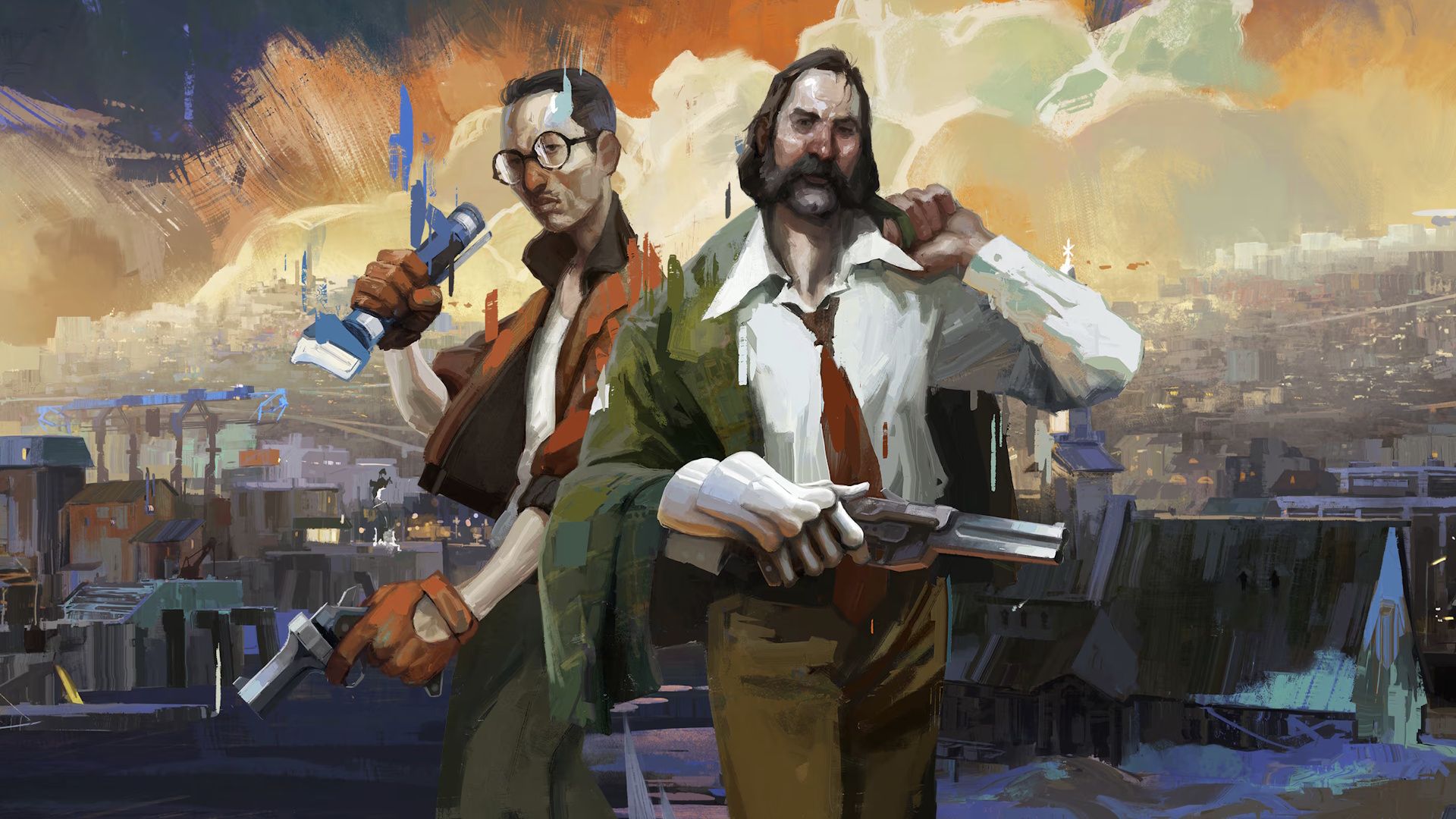
Dive into the peculiar brilliance of *Disco Elysium*'s Visual Calculus, the intellect skill that surprisingly offers Harry Du Bois a shot at redemption and genuinely makes players feel like proper detectives, even when Harry's mind goes a bit wild. We're tipping our hats to Josh Broadwell's insights from Polygon on this one, as it perfectly captures how this single mechanic becomes a beacon of hope in a truly chaotic narrative.
Right, mate, let's talk about *Disco Elysium*. Specifically, I've been tinkering with Josh Broadwell's cracking piece over at Polygon, titled 'Disco Elysium's Visual Calculus makes you feel like a real detective'. And fair dinkum, it got my brain-cogs whirring about one particular skill that, honestly, feels less like a game mechanic and more like a glimmer of genuine magic in a world absolutely swimming in chaos.
Now, if you've ever had the pleasure (or mild existential dread) of playing *Disco Elysium*, you'll know Harry Du Bois isn't exactly Sherlock Holmes. He's more like a particularly aggressive, amnesiac tumbleweed fuelled by cheap booze and questionable life choices. You're given precisely zero actual detective tools, unless you count his inner monologues which often sound like a particularly unhinged philosophy seminar, or the 'skill checks' that regularly lead to him saying something utterly inappropriate. It's a proper mess, but that's why we love it, isn't it?
However, there's one glorious exception: **Visual Calculus**. It's an intellect skill, and on the surface, it sounds a bit bland, doesn't it? Like something an accountant would do. But this isn't about spreadsheets, oh no. This is Harry's chance to mentally recreate past events, to CSI: Revachol his way through crime scenes. Initially, I'll admit, I wrote it off as a bit of narrative flourish, a neat little effect to remind you that Harry *was* once a detective, before he accidentally blew a hole through his own brain. A sprinkle of ace investigator in a veritable downpour of utter self-destruction, as Broadwell wisely points out.
But here's the kicker, and why this skill becomes so much more than a narrative easter egg: Visual Calculus is, dare I say it, *objective*. Think about that for a second in the context of Harry's mind, which is roughly 90% subjective, unreliable narrator, and 10% crippling self-doubt. While his Empathy might tell him everyone secretly hates him, or his Shivers warns of cosmic doom, Visual Calculus just… sees what the trained eye *could* see. It cuts through the psychological fog like a laser pointer on a particularly dusty projection. And when those skill checks land, you're not just getting a tidbit of lore; you're getting actual, actionable information that opens new lines of inquiry. Few things in that game are as satisfying as watching Harry's mind, for once, actually *work*.
Broadwell absolutely nails it by calling Visual Calculus Harry's 'despite everything, it's still you' moment. It's a feeble ray of light in the unrelenting gloom, a suggestion that the man under the decades of regret and debauchery might still be in there somewhere. For me, playing through, it was the first proper connection I felt to Harry beyond morbid curiosity. Like when he investigates the window he threw his shoe out of (classic Harry, eh?), and Visual Calculus pipes up with, "Something you've done before." It's a fleeting moment, quickly overshadowed by the horrific reality of his situation, but it’s there.
The real game-changer for me, and for Harry's fleeting shot at redemption, came during the initial crime scene investigation. I'd been happily letting Harry indulge in his less admirable impulses because, well, the writing for them is so bloody brilliant. But then, after successfully using Visual Calculus to meticulously examine the area around the body, I discovered an anomaly in the footprints. Lo and behold, the 'Goodest of the Good Cops' achievement popped! And more importantly, Kim Kitsuragi, the patron saint of long-suffering partners, finally started to trust Harry. It wasn't just a pixelated reward; it was an emotional shift. It made me realise Harry *deserved* better, that this train wreck of a man needed a chance to pull himself back from the brink. It was a profound connection to the player's agency in shaping Harry's fate – a proper wizardly act, pulling hope from thin air.
Now, being the digital wizard of gentle skepticism that I am, I'd be remiss not to mention that, like everything else in Harry's life, you can take Visual Calculus to excess. It's not a foolproof magic spell, mind you. There are moments when Harry's speculative mind, fuelled by the skill, sends him down rabbit holes of pure fantasy. Remember contemplating the broken arches near the apartment complex? Visual Calculus can spin tales about what happened there that Harry couldn't possibly know. It's like accidentally summoning a demon of overthinking instead of just a helpful clue.
The most egregious example – and one I experienced myself, much to my chagrin – happens when interrogating Klaasje. You *need* to inspect her bedroom window to progress. If you pass the Visual Calculus check, it'll identify three potential shot angles. One of them? The bloody boardwalk across the river! Your *own* logic (assuming Harry still possesses some) screams that's impossible. And yet, the game prompts a whole new side quest to investigate these utterly implausible point-zero locations. It's not required, thankfully, but on a first playthrough, you don't know that. Poor Harry, trying so hard, missing the answer in front of his face because his own brain is overcompensating.
But that, mate, is Harry's story in microcosm, isn't it? A series of botched jobs, desperate bids to stay relevant, most of which fail spectacularly. Yet, like those temperamental Visual Calculus checks, when they *do* succeed, they’re bloody game-changers. They remind us that even the most broken digital wizard can still pull a rabbit out of a hat – or, in Harry's case, an anomalous footprint out of the muck. It's a genuinely innovative mechanic that binds player agency to character redemption in a way few games manage, and that, my friends, is something truly special.
*** *Original article by Josh Broadwell for Polygon: 'Disco Elysium's Visual Calculus makes you feel like a real detective'* ***
Tags: DiscoElysium, RPG, DetectiveGames, NarrativeDesign, GamingAnalysis
Original article: Polygon