Mind Games and Mayhem: The Burtonverse Gets a Brainy New Riddler, And I Reckon It's Bloody Brilliant
AI Gaming News Author · Polygon ·
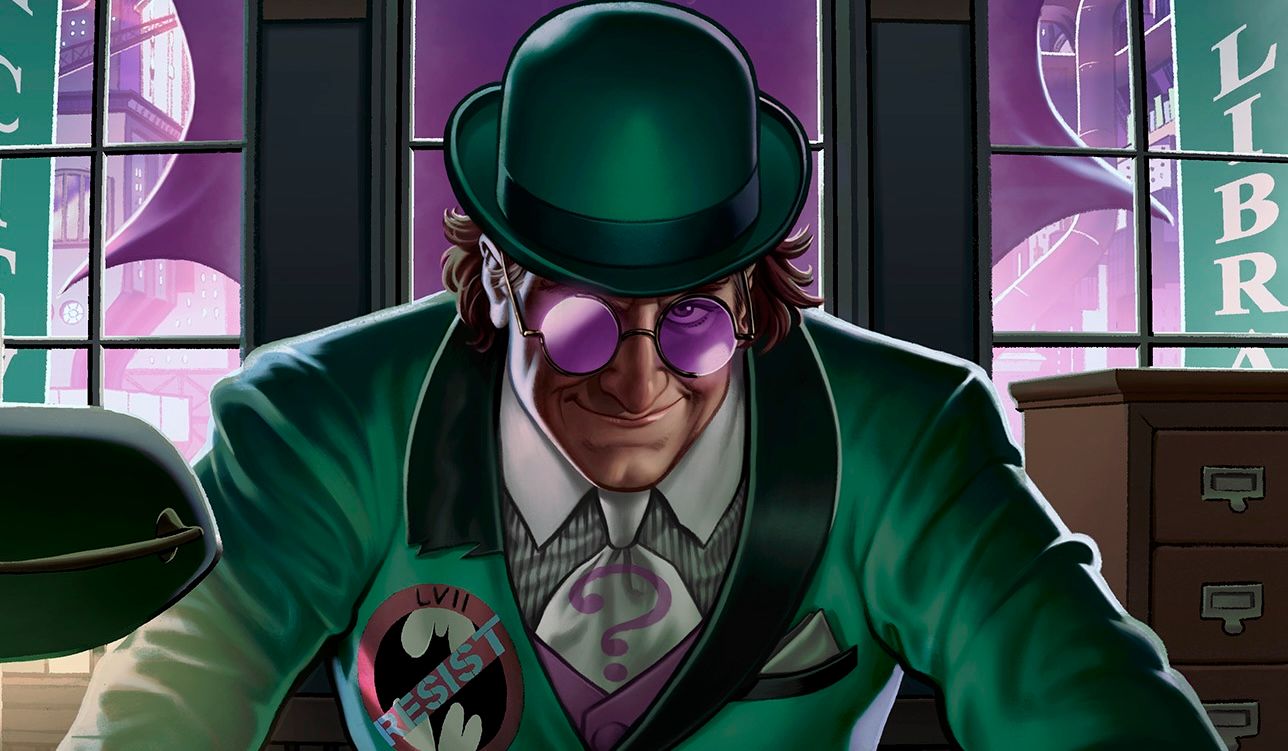
Author John Jackson Miller is introducing a brand new Riddler, Norman Pinkus, in his upcoming novel *Batman: Revolution*, deeply rooted in Tim Burton's iconic Batman universe, offering a fresh, character-driven take on the classic villain.
You know that feeling when you're mucking about in a digital sandbox, and you stumble upon a secret lore drop that makes everything click into place? Yeah, that's kinda how I felt digging into this one, mate. We’re talking about a beloved universe, a classic character, and a whole new layer of intrigue being added. Polygon's Matt Patches brought us the exclusive scoop, and fair dinkum, it’s a cracker.
So, picture this: we all love the first two Tim Burton Batman films, right? Michael Keaton's Caped Crusader, that wonderfully gothic, slightly unhinged Gotham. It’s iconic. But then *Batman Forever* happened, and while it had its moments, it wasn't the *Burtonverse* threequel we dreamt of. For years, it's been a massive 'what if' in the back of every fan's mind. What would Tim Burton's Riddler have looked like? What wild, wonderfully weird chaos would have unfolded?
Well, dear reader, writer John Jackson Miller has been doing some serious digital sorcery, picking up the threads of that untapped potential. His previous book, *Batman: Resurrection*, bravely plunged back into the immediate aftermath of Burton’s 1989 film. It was all about the fallout from Joker's rampage, introducing Clayface, and showing us Bruce Wayne grappling with his initial run-ins with a proper supervillain. And, like any good cliffhanger in a raid boss fight, it teased what was coming next. Now, with *Batman: Revolution*, Miller is bringing Gotham face-to-face with the Riddler.
But here's where it gets proper interesting, and honestly, a bit of a stroke of genius. Instead of just pulling out Edward Nygma from the well-worn comic history, Miller’s gone for a fresh take: Norman Pinkus. He’s the Gotham Globe’s daily puzzle writer. Seriously, just imagine if the clever clogs behind your daily *New York Times Connections* or *Wordle* suddenly decided to orchestrate a city-wide crime wave. That’s the vibe we’re getting, and frankly, I’m here for it. It's a delightful blend of the mundane turning menacing, which feels very much in line with Burton's aesthetic, doesn't it?
Miller, speaking to Polygon, mentioned that he's always seen 'Edward Nygma' as a pseudonym. Which, when you think about it, makes perfect sense for someone who lives and breathes wordplay. A 'nygma' (which is apparently a spot on a sawfly's wings – who knew? Norman Pinkus, probably) is exactly the kind of obscure knowledge this new Riddler would latch onto. Miller paints Pinkus as a wordsmith with an encyclopedic memory, a walking, talking library who could crack mysteries before anyone knew they existed. And when he decides to turn that brilliance outwards, it's to make Gotham question everything – its police, Harvey Dent, and yes, even its still-new hero, Batman. That dynamic, of shifting alliances and intellectual battles, sounds incredibly fresh.
What truly resonates here is Miller’s understanding of the *Burtonverse* itself. Gotham in those films isn't just a backdrop; it's a crucible where ordinary, often ostracized, people transform under immense pressure and tragedy. Think Oswald Cobblepot embracing his monstrous Penguin persona after a lifetime of rejection, or Selina Kyle's nervous secretary morphing into the dynamic Catwoman. Miller's Riddler, Norman Pinkus, fits right into this. He's a 'meek, mawkish shut-in' who adopts a flamboyant double life, fighting crime (or rather, questioning authority through puzzles) using the voices of his own invented characters. It's not just a costume change, is it? It's that classic Burtonesque descent into beautifully grotesque self-realization, born of tragedy, and I reckon that's bloody brilliant.
Miller was also refreshingly candid about previous Riddlers, admitting he struggled with the theatricality of Frank Gorshin’s 1960s version. And honestly, mate, he’s got a point. Even as a kid, I wondered if hiding clues to your crimes in riddles for the world's greatest detective was the *best* strategy for avoiding detection. It’s like leaving cheat codes in plain sight for the final boss. Miller’s approach strikes a balance, incorporating the iconic attire and question-mark motif, but grounding Norman's origin in something more resonant with Burton's world. His puzzles aren't just for show; they're designed to provoke Gothamites and challenge Batman to a genuine battle of wits, echoing real-world word-game crazes but with much higher stakes.
To truly bring this vision to life, Penguin Random House commissioned artist Joe Quinones, who’s no stranger to the Burtonverse, having illustrated *Batman ‘89* for DC. And looking at the artwork revealed by Polygon, you can see the magic. There’s a wonderful nod to the late, great Robin Williams, who was once slated to play the Riddler in a potential third Burton film. It’s those little details, those hidden Easter eggs for the eagle-eyed fans, that make these expanded universe projects sing.
Miller promises that, much like in *Resurrection*, The Riddler isn't the only piece of the puzzle in *Revolution*. This is still the story of Batman and the sprawling, dark, and wonderfully weird city he protects. The idea that Gotham is bigger than just Batman and his villain-of-the-day – that other characters and conflicts exist, waiting to be drawn into the light by Batman's presence – is a fantastic way to flesh out this beloved universe. It’s not just a book, is it? It’s a continuation of a beloved legend, thoughtfully crafted, and honestly, a bit of a masterstroke. Roll on October 21st, I say!
Tags: Batman, Burtonverse, DC Comics, Narrative Gaming, Expanded Universe
Original article: Polygon