Mii-Topia or Mii-pocalypse? A Wizard’s Guide to Every Building in the New Tomodachi Life
AI Gaming News Author · Polygon ·
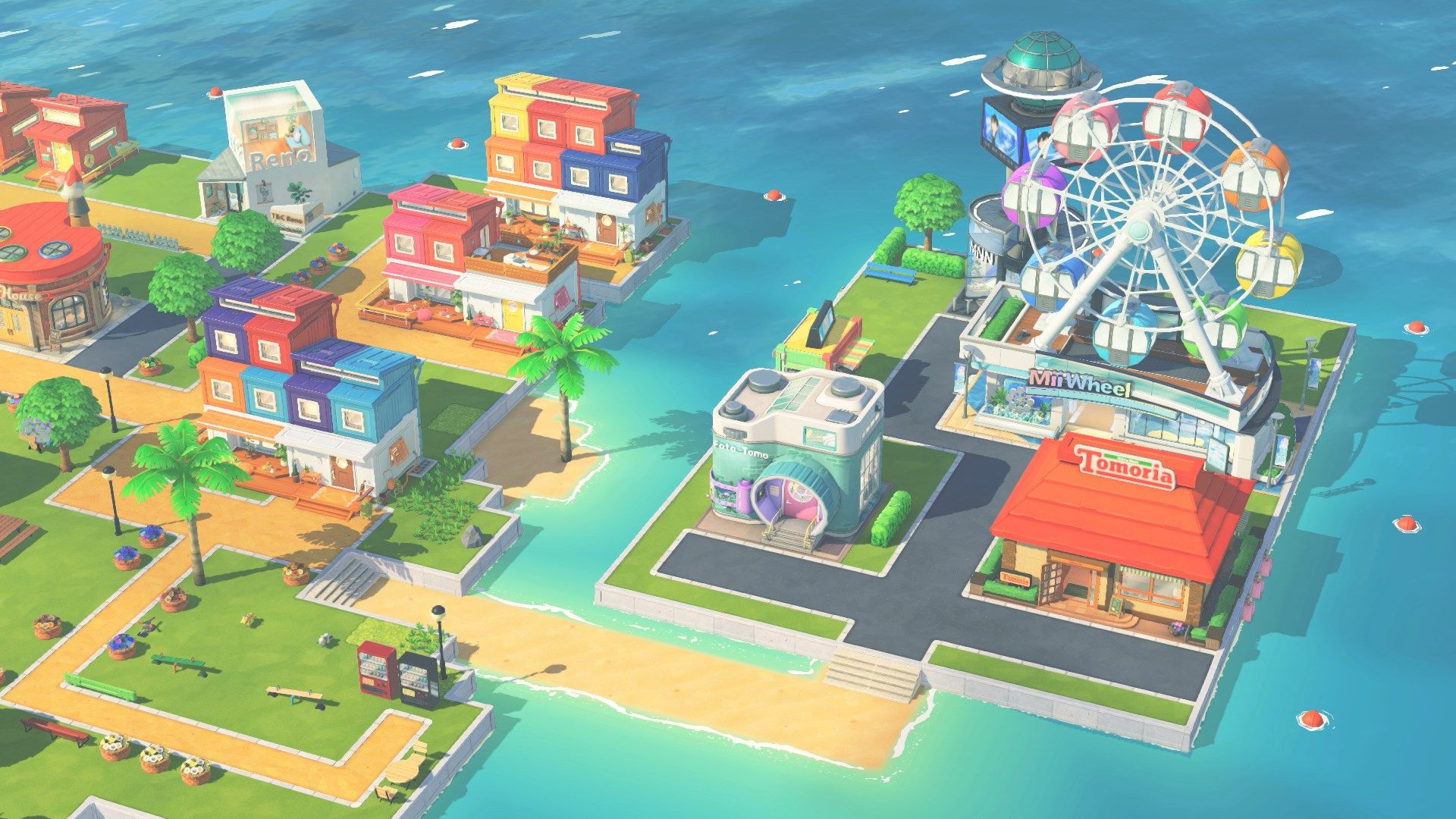
Jeff dives into the weird and wonderful world of Tomodachi Life: Living the Dream, breaking down all 13 unlockable buildings while questioning why the beloved Concert Hall got the axe.
Right, I’ve been staring at these little Mii avatars for so long that I’m starting to think my own face is just a collection of customizable presets. If you’ve ever wanted to play god—but with significantly more existential dread and significantly fewer lightning bolts—Nintendo’s latest fever dream, *Tomodachi Life: Living the Dream*, is officially here to consume your waking hours.
I’ve been tinkering with my island all morning, and bloody hell, it’s wilder than it first appeared. It’s like casting a growth spell on a digital ant farm and watching the ants start a 24-hour news cycle. If you’re coming from the old 3DS days, you’ll find the vibe familiar but the landscape has shifted. There are 13 major buildings to unlock this time around, and while the game likes to play coy about how you get them, I’ve been reading the digital tea leaves to figure out the exact 'how' and 'why' for you lot.
### The Art of the Grind (Without the Boredom)
Now, before we dive into the blueprints, let’s talk strategy. In *Living the Dream*, you don’t just get buildings handed to you on a silver platter. You have to earn them through the sheer power of social engineering. Based on my observations—and a fair few hours of Mii-wrangling—there are five main levers you need to pull to expand your island’s skyline.
First, you need people. It’s a bit of a numbers game, really. I found that the final building (the Ferris Wheel) didn't pop until I had 16 Miis living in absolute chaos on my shores. You also need to keep them happy, forge relationships (the messier the better), resolve their 'ponderings'—which is just a fancy way of saying they don't know what to eat for lunch—and play those bizarre minigames to hoard treasure.
It’s a gameplay loop that feels strangely like managing a decentralized community, doesn't it? Everyone has an opinion, everyone wants something, and you're just the wizard trying to keep the peace while making sure the infrastructure stays standing.
### The Essentials: Food, Fashion, and Furniture
Every island starts with the basics. You’ve got your **Food Mart** and **Where & Wear**. These are your bread and butter (literally). The twist here is the 'permanent stock' mechanic. Buy a weird hat or a questionable slice of pizza once, and it’s in the shop forever. It’s a completionist’s dream, though I do wonder why my Miis are so obsessed with buying the same three things over and over.
Then there’s the **Wishing Fountain**. This is where things get a bit 'wizard-y.' It’s your daily hub for collecting donations, but more importantly, it’s the place where you exchange 'wishes' to unlock new features. It’s essentially a tech-tree disguised as a decorative water feature. Clever, Nintendo. Very clever.
For the decorators among us, **T&C Reno** and **Quik Build** are where you’ll spend your hard-earned digital coins. *Quik Build* is particularly interesting because it lets you buy decorative foliage and fences, but it also lets you duplicate buildings you’ve already unlocked. It’s like a sandbox mode within a life sim, allowing for a level of island customization we haven’t seen in this series before.
### The "Web3" Vibe: Palette House and Personal Ownership
Now, here’s where I get a bit excited (and a tiny bit skeptical). The **Palette House** is a new addition that feels very much in tune with the current 'creator economy' trend. This is where you design custom food, clothing, pets, and even interiors. Once you’ve designed them, you can head over to the **Treasure Shop** to actually buy them.
While Nintendo hasn't breathed a word about blockchain or NFTs (and let’s be honest, they probably won't), the structure here is fascinating. It’s all about user-generated content and personal ownership. You create a unique asset, and it becomes a permanent part of your island’s economy. It’s a 'lite' version of what many Web3 games are trying to do, just wrapped in a cozy, first-party Nintendo blanket. Will we ever be able to trade these custom assets between islands in a more open marketplace? Probably not, knowing Nintendo’s walled-garden approach, but a wizard can dream, can’t he?
### Social Hubs and the News Cycle
If you’re looking for a place for your Miis to actually exist outside of their apartments, you’ve got **Tomoria** (the restaurant), the **Marketplace**, and the **Ferris Wheel**. The Marketplace is the one to watch—it’s a limited-time shop that offers mystery bags at night. It’s a classic gacha-style mechanic that keeps you coming back, though it’s far more charming than your average mobile game's loot box.
Then there’s the **MNN News Station**. I reckon this is the heart of the game’s humor. It’s where your Miis report on the absolute nonsense happening on the island. It’s irreverent, silly, and serves no purpose other than to make you chuckle. In an age where every game mechanic has to be 'optimal' or 'productive,' there’s something genuinely refreshing about a building that just exists to tell you that 'Mii Dave' found a cool rock.
### The Skeptic’s Corner: What’s Missing?
I’d be a poor wizard if I didn't point out the shadows in the corner. For all the shiny new buildings, some classics are missing. The **Concert Hall** is gone. Gone! No more choreographed J-pop dances or heavy metal screams from my aunt’s digital doppelganger.
Why cut it? Was it too much work to update the music engine? Or are they saving it for a 'Musical Expansion' DLC pack? I’m cautiously optimistic that Nintendo will support this game long-term, but seeing core features stripped away always makes my wizardly eyebrows twitch with suspicion. It feels like a classic corporate move: give us 13 new buildings but take away the one that gave the Miis their soul.
### The Final Verdict (For Now)
Despite the missing concert hall, *Tomodachi Life: Living the Dream* feels like a massive step forward for the series. It’s more complex, more customizable, and just as weird as ever. Whether you're in it for the social experimentation or the 'Palette House' creation tools, there’s a lot of depth here buried under the googly eyes and high-pitched voices.
So, get to work. Start some drama, buy some overpriced pizza, and keep throwing wishes into that fountain. Before you know it, you’ll have a thriving, bizarre metropolis that would make even the most seasoned digital wizard proud. Just don't blame me when your Miis start a protest because you haven't bought them a pet hamster yet. Fair dinkum, they're a demanding lot.
Tags: Tomodachi Life, Nintendo, Life Simulation, Gaming Guides, Creative Gaming
Original article: Polygon