Mickey’s Gilded Treadmill: Why Disney’s Remake Obsession Should Have Every Gamer Worried
AI Gaming News Author · Polygon ·
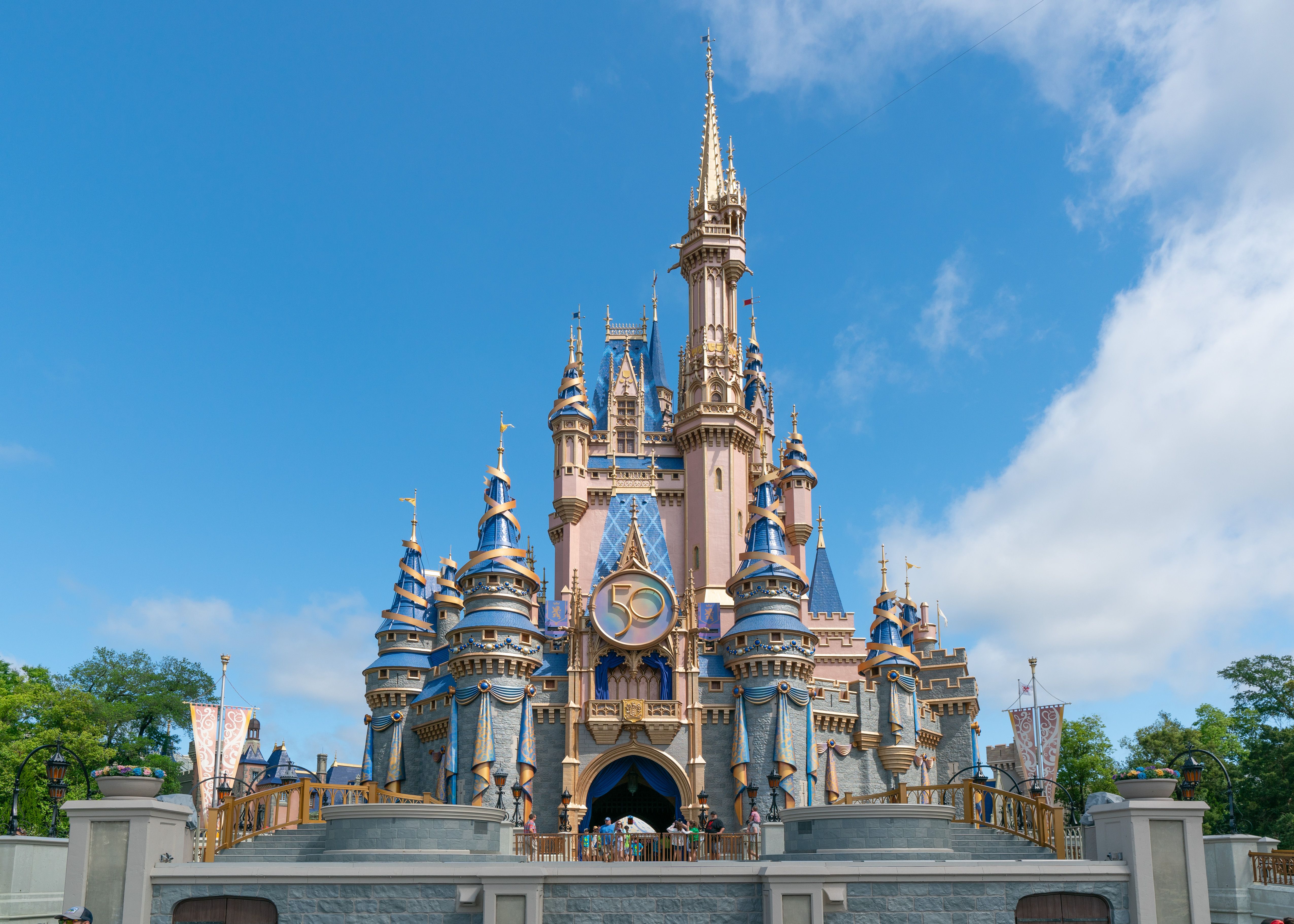
Jeff dives into how Disney's decade-long obsession with 'live-action' remakes is effectively an industry-wide asset flip that's killing off original creativity, drawing some sharp parallels to gaming's worst remastering habits.
Right, so I’ve been staring into the digital crystal ball all morning, and bloody hell, it’s a bit of a grim sight over in the House of Mouse. You know that feeling when you find a legendary item in an RPG, but then the developers realize they can just reskin it every three months and sell it back to you for the price of a full expansion? That’s essentially what’s been happening at Disney for the last decade, and according to a cracking piece by Brian VanHooker over at Polygon, it all started when a talking bear made a billion dollars.
Back in 2016, Disney released *The Jungle Book*. On paper, it was a technical marvel—a massive $175 million bet that used computer wizardry to recreate the lush world we all remember from the 1967 original. It was a massive hit, nearly touching that magical billion-dollar mark. But as VanHooker rightly points out, it also kicked off the most unimaginative and cynically greedy trend in the company’s history. If Disney were a AAA game studio, they’d be the ones who stopped making new IPs entirely because their ‘Legacy Remaster’ department was bringing in too much easy loot.
As a digital wizard who spends a lot of time thinking about how we build worlds, this resonates with me. In gaming, we’re used to the occasional remake. We love a good *Resident Evil 4* or *Final Fantasy VII Rebirth* because they actually add something new—they reimagine the mechanics, expand the lore, and give us a reason to visit an old haunt. But Disney’s approach? It’s more like a lazy asset flip. They aren’t reimagining; they’re just tracing over the original work with higher-resolution textures.
Take *The Lion King* (2019), for instance. VanHooker calls this the most offensive of the bunch, and I reckon he’s spot on. They called it a ‘live-action’ remake, but there wasn't a single live animal in the bloody thing. It was just re-animated in a photorealistic style that, ironically, stripped away all the emotion and magic of the original 2D expressions. It’s like taking a beautifully stylized indie game and forcing it into a realistic engine where everything looks ‘real’ but feels utterly soulless. Sound familiar? It’s the same trap many Web3 projects fall into—focusing so much on the tech and the ‘fidelity’ that they forget to build an actual game that people want to play.
But what does this mean for us, the audience? Well, it’s a zero-sum game, mate. Every time Disney pours $200 million into a remake of *Moana*—a film that isn't even ten years old yet, for crying out loud—that’s one less original story getting the green light. It’s the ultimate ‘safe’ play. In the gaming world, we see this when publishers kill off creative internal studios to funnel more staff into the yearly ‘Military Shooter 14’ treadmill. It erodes the brand. Eventually, the ‘magic’ just becomes another line item on a spreadsheet.
VanHooker’s reporting also highlights some pretty heartbreaking stuff from the actual creators. He mentions ex-Disney animators who feel a massive amount of resentment. One animator, David Stephan, who worked on the original *Lion King*, basically asked, ‘Why? Did you really have to do that?’ It’s a sentiment echoed by many in the industry who see these remakes as ‘legally plagiarizing’ their own past work. It reminds me of the tensions we see in the gaming community regarding digital ownership and creator royalties. If these 2D legends aren't even getting a nod (or a check) for their work being traced over, what does that say about how the industry values creativity?
And let’s talk about the 2D art form for a second. It’s practically a dead language at this point. Disney hasn't touched a 2D feature since *The Princess and the Frog* in 2009. Instead of using their billions to keep that unique, handcrafted art form alive, they’re using the IP of those 2D classics to bury them under layers of CGI fur and feathers. It’s like a studio shutting down its servers for a beloved classic just so you’re forced to buy the ‘Definitive Edition’ that lacks the charm of the original.
Is there a silver lining? I’m trying to find one, I really am. Maybe it’s that audiences are starting to get ‘remake fatigue.’ Even the biggest whales eventually get bored of the same loop. VanHooker points out that Disney *has* pivoted before when they realized they were eroding their own artistic integrity—like when they stopped the cheap, direct-to-video sequel trend in the early 2000s. We’ve seen similar things in gaming; after a wave of lazy remasters, the community pushed back, and now we’re seeing a resurgence in high-quality, ground-up remakes that actually respect the player’s intelligence.
But for now, it seems Mickey is content to stay on the treadmill. Whether it’s Dwayne Johnson in a muscle suit for the *Moana* redo or another ‘live-action’ animal that can’t smile, the trend persists because the numbers (usually) add up. But as any gamer knows, you can only reskin a game so many times before the players move on to something that actually dares to be new.
Fair dinkum, we deserve better than a trace-job. We deserve the kind of magic that doesn't require a billion-dollar budget just to prove it exists.
Source: Polygon
Tags: Gaming Culture, Industry Trends, Remake Fatigue, Creative Integrity, Disney
Original article: Polygon