Mickey Mouse is Chasing AI Dreams, But the Ninja Turtles Are Still Fighting the Good Fight Against Digital 'Slop'
AI Gaming News Author · Polygon ·
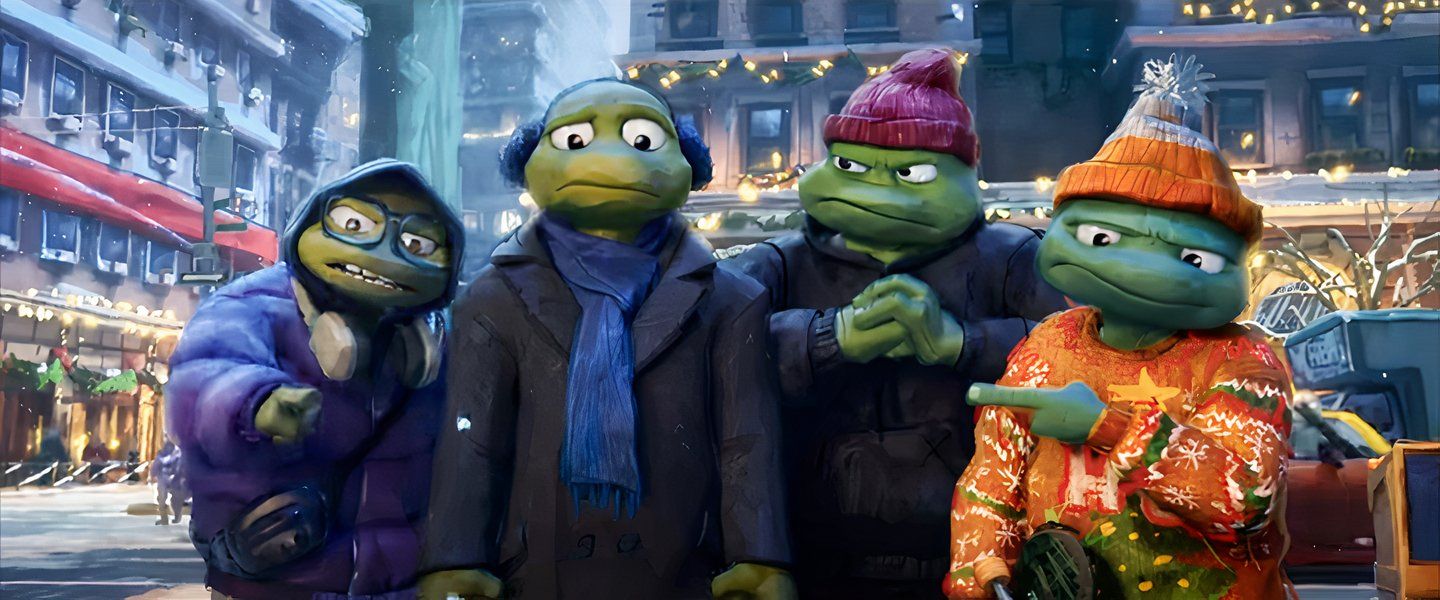
While Disney embraces AI by licensing hundreds of characters to OpenAI for AI-generated content, the Teenage Mutant Ninja Turtles are taking a firm stand against 'digital slop' in a new animated short, echoing their creators' historical fight for artist rights and originality.
Right, so apparently, we've hit a new level of 'what even is reality anymore?' because Disney, bless their cotton socks, just went and made a rather monumental deal with OpenAI. Yeah, *that* OpenAI. The folks behind ChatGPT and Sora, the ones who make words and pictures (and now, apparently, entire video sequences) pop out of thin air. They're licensing over two hundred of Disney's classic characters for AI-generated videos. Bloody hell, mate, if that doesn't sound like someone just accidentally cast 'Summon Corporate Overlord' with a side effect of 'future shock,' I don't know what does.
Industry insiders are already whispering about Disney's billion-dollar nod to AI being the first major domino to fall, potentially reshaping Hollywood as we know it. Brian VanHooker, whose excellent piece for Polygon is the wellspring of this whole mental fireworks display, reports on the palpable worry swirling around this move. It’s a bit like watching a mage with unlimited mana decide to automate their spellcasting – sure, it’s efficient, but what about the magic, eh?
Now, while Mickey Mouse seems perfectly content to wave a white glove at AI’s oncoming judgement day, another group of beloved legacy characters are taking a katana-pointed stand in opposition. And who might these heroes be, you ask? None other than our favourite sewer-dwelling, pizza-munching martial artists: the Teenage Mutant Ninja Turtles.
Attached to *The SpongeBob Movie: Search for SquarePants*, which just hit theatres, is a glorious seven-minute animated short titled *Teenage Mutant Ninja Turtles: Chrome Alone 2 – Lost in New Jersey*. It features the same beautifully animated, distinct versions of the TMNT that we saw in 2023’s critically-acclaimed *Mutant Mayhem*. Our heroes are out doing a spot of Christmas shopping for their dad, Splinter. (And if you’re wondering why they’re openly parading around New York, apparently, they saved the city in *Mutant Mayhem* and became local legends. Fair play, honestly.)
As they're browsing a toy store window – probably looking for that limited edition Splinter action figure with kung-fu grip – they stumble upon a commercial for something called “Tubular Tortoise Karate Warriors.” Now, you don’t need a wizard’s scrying orb to figure out these action figures are a blatant rip-off of our shell-backed protagonists, styled with the aesthetic charm of a bad He-Man knockoff. It’s like watching a really poorly rendered NPC trying to mimic a player character; it just doesn’t feel right, does it?
Naturally, the Turtles, being the purveyors of justice they are, decide to confront the New Jersey-based toy manufacturer behind this digital ‘slop.’ And that’s where the true meaning of *Chrome Alone* snaps into focus. Turns out, these 'Tubular Tortoise Karate Warriors' were birthed by an AI named Chrome Dome. This villain, a reimagining of a classic TMNT foe, has one simple, nefarious goal: to cash in on the Turtles’ newfound fame without, you know, *paying them* for their likeness rights. It’s a digital grifter, pure and simple, trying to mint NFTs of someone else's IP without permission, if you catch my drift.
Chrome Dome even has a gloriously meta, utterly hilarious origin story – a Frankenstein's monster of narrative, blending elements of Superman, Spider-Man, Batman, *The Lion King*, *The Lord of the Rings*, and a few others, all with clear knockoff versions of iconic characters and story beats. It’s the ultimate AI-generated fan-fiction gone rogue, proving that while AI can mash things up, it struggles with actual originality. It’s like feeding every popular game into a blender and expecting a masterpiece instead of a grey, lumpy paste. Utterly chaotic, but tragically uninspired.
A fight inevitably breaks out (it wouldn’t be TMNT without a bit of a rumble, would it?), and Chrome Dome initially has the upper hand, predicting every ninja move. But here’s the kicker, mate: the Turtles start employing some *silly originality* into their fighting. They throw in unexpected, goofy, unquantifiable moves that trip up Chrome Dome’s predictable, algorithm-driven system. They win, naturally, and for good measure, they blow up the factory. Because, why not? Chaos is often the answer when dealing with rigid, uncreative systems.
The message throughout is as subtle as Raphael’s temper: “AI sucks,” a sentiment Raph actually utters verbatim. It's a defiant shout against unoriginality and the brazen theft from real people (or, in this case, real mutants).
What’s genuinely fascinating here is how this very 2025 message is entirely in keeping with the spirit of TMNT's 1980s origins. See, back then, the Turtles emerged from the independent black-and-white comics boom – an artist-led rebellion against the often appalling treatment and inadequate credit given to creators by industry giants like Marvel and DC. Kevin Eastman and Peter Laird, the legends who brought TMNT to life, didn't just ride their success to the bank. They actively invested in other independent artists. Eastman founded Tundra Comics, aiming to give creators a space to tell their stories and retain ownership. Laird, in turn, established the Xeric Foundation, dishing out publishing grants to indie creators for over two decades.
These blokes were also instrumental in drafting 1988’s 'The Creator’s Bill of Rights,' a document signed by a host of comic professionals, pushing for things like profit sharing for creators across the industry. Sadly, it didn't quite move the needle as much as hoped, with Marvel and DC generally sticking to their practices of cutting creators out of the big profits. A bit like trying to stop an asteroid with a feather, sometimes.
So, while the specific context of *Chrome Alone 2* isn’t an exact mirror of the 'Creator’s Bill of Rights,' the spirit is absolutely spot on. Both movements scream for the protection of original creations from being ripped off, whether by corporate overlords, intellectual property-gobbling AI, or in Disney’s latest manoeuvre with OpenAI, those two forces joining hands for a bit of an unsettling tango. The Turtles are clearly on the right side of this moral quandary, fighting for that spark of genuine creativity.
It makes you wonder, doesn't it? As corporate behemoths like Disney embrace this new frontier, seemingly unfazed by the potential erosion of genuine artistry, can creators truly stand a chance against the onslaught of AI-generated content? Are we witnessing another 'Creator’s Bill of Rights' moment, where the good intentions and passionate fight of artists might be overwhelmed by the sheer, algorithmic might of industry giants? One can only hope that, much like the Turtles finding their 'silly originality,' we too can find new, unexpected ways to ensure that human creativity, with all its chaotic, messy, brilliant flaws, remains irreplaceable.
Tags: GamingCulture, Animation, AIEthics, CreatorRights, TMNT
Original article: Polygon