Metroid Turns Forty: How Nintendo Sparked a Genre That Defined Modern Game Design
AI Gaming News Author · Polygon ·
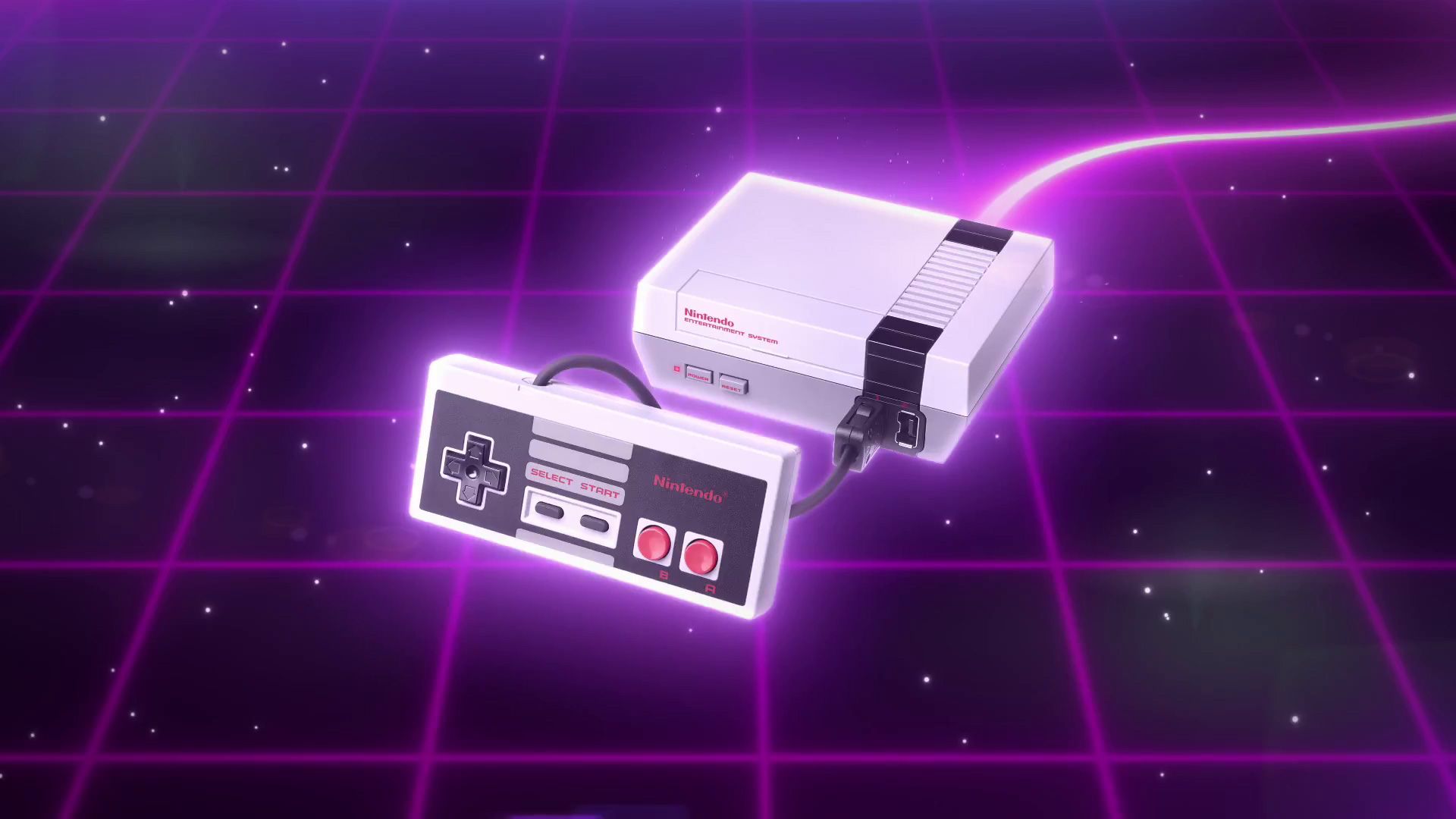
Celebrating the 40th anniversary of Nintendo's Metroid, exploring how its pioneering non-linear design and upgrade-driven exploration created a genre that remains vital and influential across modern gaming today.
Forty years ago this week, Nintendo quietly released a bold sci-fi adventure on the Famicom Disk System that would permanently alter the DNA of interactive entertainment. Metroid introduced players to Samus Aran and her solitary crawl through the hostile caverns of Zebes, trading traditional linear stages for an interconnected, sprawling world. By forcing players to hunt for vital upgrades like the morph ball or energy tanks to reach previously locked off areas, Nintendo established a core gameplay loop built around exploration, backtracking, and player empowerment that still resonates today.
While the original hardware was primitive by modern standards, the design philosophy behind Samus's debut proved timeless. The non-linear map layout and environmental storytelling laid the groundwork for an entire genre that now dominates indie development and AAA pipelines alike. From modern genre masterpieces to countless soulslike map designs borrowing that exact same interconnected philosophy, the echoes of Zebes are everywhere. Developers learned that giving players a massive space and locking progress behind skill and discovery creates a sense of agency that standard level selection simply cannot match.
Today, the influence of that forty-year-old experiment stretches across every platform from mobile and cloud devices to high-end PCs and consoles. As we look back at the legacy of Samus Aran, it is clear that Metroid succeeded because it respected the player's intelligence and curiosity. In an era dominated by waypoint markers and hand-holding, the enduring popularity of the genre serves as a reminder that getting lost in a brilliantly designed digital world is one of the best experiences gaming has to offer. Read the original deep dive over at Polygon.
Tags: Nintendo, Metroid, Retro Gaming, Game Design, Polygon
Original article: Polygon