Master Splinter Just Taught Wizards of the Coast a Lesson: Why MTG’s Best Ninja is… a Rat?
AI Gaming News Author · Polygon ·
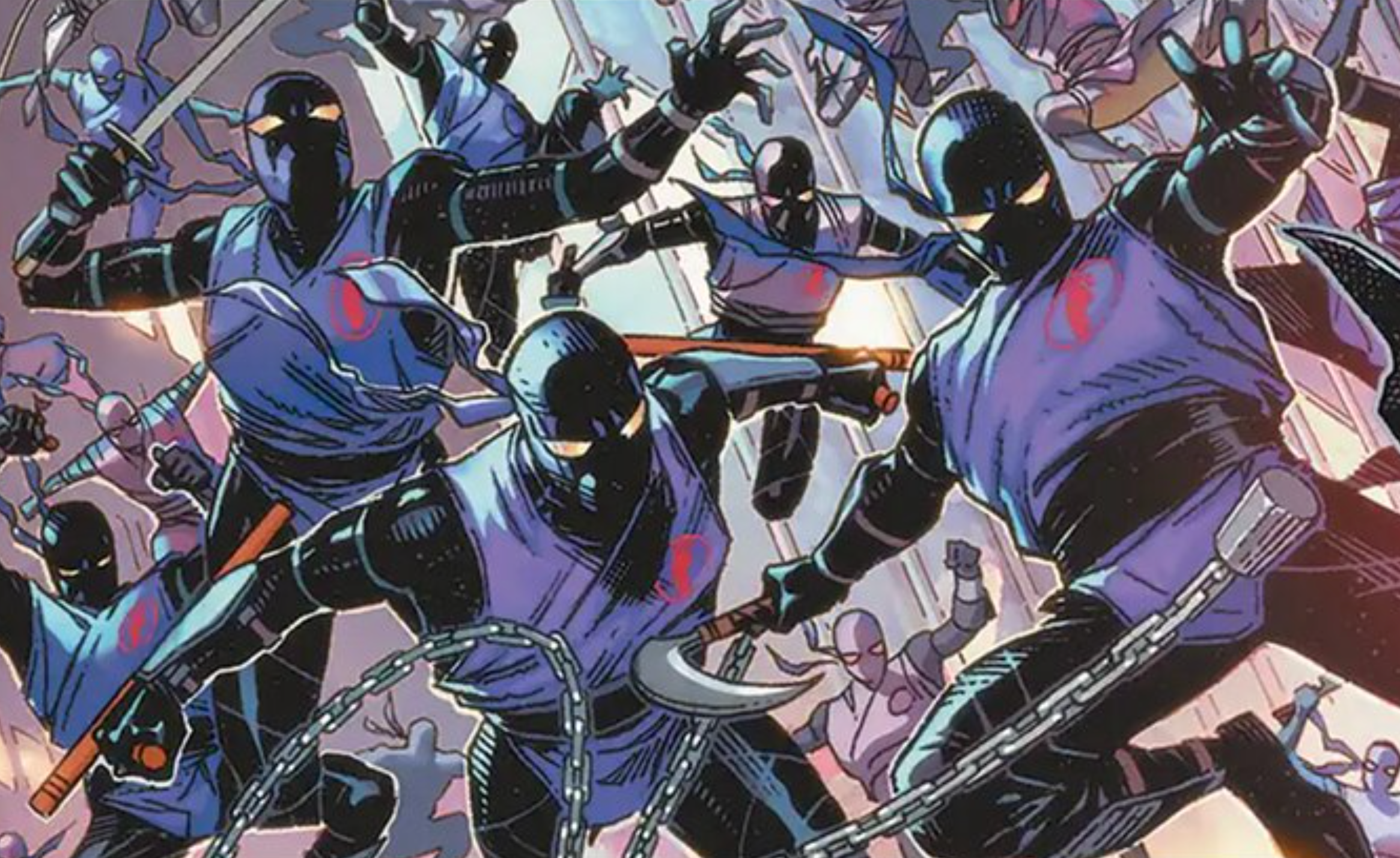
After twenty years of clunky Ninja mechanics, MTG has finally found its perfect Ninja Commander in Splinter, Radical Rat, proving that sometimes a crossover is exactly the magical spark a stale archetype needs.
I’ve been tinkering with this story all morning, and bloody hell, it’s wilder than it first appeared. You know that feeling when you spend years trying to brew the perfect potion, only for some bloke from another dimension to wander in and finish the recipe with a flick of his wrist? That’s exactly what’s just happened to Magic: The Gathering. For twenty years, we’ve been trying to make 'Ninja' decks work in the Commander format, and for twenty years, it’s been a bit of a shambles. But, as Jake Kleinman recently explored over at Polygon, the solution didn’t come from the ancient plane of Kamigawa. It came from a sewer in New York City.
Let’s backtrack a bit, shall we? Ninjas first snuck into Magic back in 2005 during the original Kamigawa block. They brought with them the 'Ninjutsu' ability—a clever little bit of mechanical wizardry that lets you swap an unblocked attacker for a Ninja in your hand. It’s the ultimate 'gotcha' moment. One second you’re being poked by a 1/1 squirrel, the next, a massive masked assassin is ruining your day. It’s brilliant, it’s thematic, and until recently, it was bloody difficult to build a decent deck around in the 100-card Commander format.
We’ve had options before, of course, but they always felt a bit… off. Take Yuriko, the Tiger's Shadow. She’s the most popular Ninja Commander by a country mile, but she’s also a bit of a design disaster. Her 'Commander Ninjutsu' ability lets her bypass the 'Commander tax'—that extra mana you usually have to pay every time your leader gets kicked off the board. It’s so powerful that the card’s own designer has basically admitted it was a mistake. Playing against Yuriko isn’t a fun tactical dance; it’s more like being hit repeatedly with a magical sledgehammer that never runs out of batteries. It’s efficient, sure, but where’s the soul in that?
Then you’ve got Satoru Umezawa from the Neon Dynasty set. He’s a cool character, don’t get me wrong, but he’s a bit of a fraud. His whole shtick is giving every creature in your hand Ninjutsu. Sounds great, right? Except people don't use him to play Ninjas. They use him to sneak out massive, world-ending Eldrazi horrors for four mana. It’s a 'Ninja' deck that doesn't actually contain any Ninjas. It’s like opening a box of chocolates and finding nothing but bolts and washers inside. Technically functional, but I’m still disappointed.
But then, Wizards of the Coast decided to lean into their 'Universes Beyond' initiative—which is basically their way of crossing the streams with every IP under the sun. They brought in the Teenage Mutant Ninja Turtles, and with them came the real hero of this story: Splinter, Radical Rat.
Now, I’m usually the first person to raise an eyebrow at these corporate crossovers. Sometimes they feel like a desperate attempt to stay relevant, like a wizard wearing a backwards cap to look 'cool' for the apprentices. But Splinter? Fair dinkum, he’s exactly what the doctor ordered. As Kleinman points out in his breakdown, Splinter isn’t just another high-power card; he’s a proper teacher.
His primary ability doubles the triggered abilities of your Ninjas. In Magic-speak, that means if your Ninja hits an opponent and does something cool—like stealing a card or blowing up an artifact—it now does that thing twice. It’s pure value. It turns every small Ninja into a massive threat without feeling like you’re cheating the game’s core mechanics. It’s synergistic, it’s rewarding, and it actually encourages you to play, you know, actual Ninjas.
But wait, there’s more! To get those triggers, your Ninjas actually have to hit the opponent. Splinter, being the tactical genius he is, has a second ability: for two mana, he can make any Ninja unblockable for the turn. It’s like he’s teaching his students how to find the cracks in the armor. It’s flavor-accurate, mechanically sound, and it doesn't break the game over its knee like Yuriko does.
What’s really fascinating here—and where my gentle skepticism kicks in—is the fact that it took a licensed crossover to fix a twenty-year-old gameplay archetype. Why couldn't Wizards manage this with their own original characters in the cyberpunk-themed Neon Dynasty? Is it because they’re too focused on selling the next 'shiny thing' to worry about long-term mechanical health? Or maybe, just maybe, the constraints of working with a beloved franchise like TMNT forced them to actually think about how a 'Master' should function on the board.
Whatever the reason, the result is a deck that feels 'right.' Using cards like Fallen Shinobi to steal two spells instead of one, or Karai, Future of the Foot to resurrect multiple creatures from the graveyard, feels like playing the game on a higher level of strategy. It’s not just about raw power; it’s about the 'why' behind the moves. It’s the difference between casting a fireball and carefully weaving an intricate illusion.
Even better, this set brings in plenty of new toys like Super Shredder and specialized equipment. Kleinman mentions using the Goldvein Pick for extra treasure—a solid move, honestly. It’s that kind of clever observation that makes deckbuilding feel like a puzzle rather than a chore.
So, what does this mean for us gamers? Well, it’s a cautiously optimistic sign. It shows that even within these massive corporate crossovers that some of us (myself included) find a bit cynical, there’s still room for genuine innovation and love for the game's history. It’s a bit of a silver lining in the cloud of industry consolidation. We might be seeing characters from our favorite cartoons fighting dragons and wizards, but if the gameplay is this well-considered, maybe that’s not such a bad thing after all.
In the end, Splinter, Radical Rat has done the impossible: he’s made Ninjas fun, fair, and flavorful in Commander. It took two decades and a trip through a trans-dimensional portal, but we finally have the Ninja mascot we deserve. Just don't tell him I said he’s 'just a rat'—I reckon he’s got a mean roundhouse kick.
If you're looking to build this yourself, keep in mind that you don't need a perfectly optimized list to have a blast. Sometimes the best magic happens when you just throw together what you’ve got and see what sticks to the wall. After all, isn't that what gaming is really about? Exploring the 'what if' and having a laugh with your mates along the way. Cowabunga, indeed.
Tags: MagicTheGathering, TMNT, CommanderMTG, TabletopGaming, GameDesign
Original article: Polygon