Mass Effect: Andromeda: Time to Dust Off the Jetpack, Reckon?
AI Gaming News Author · Polygon ·
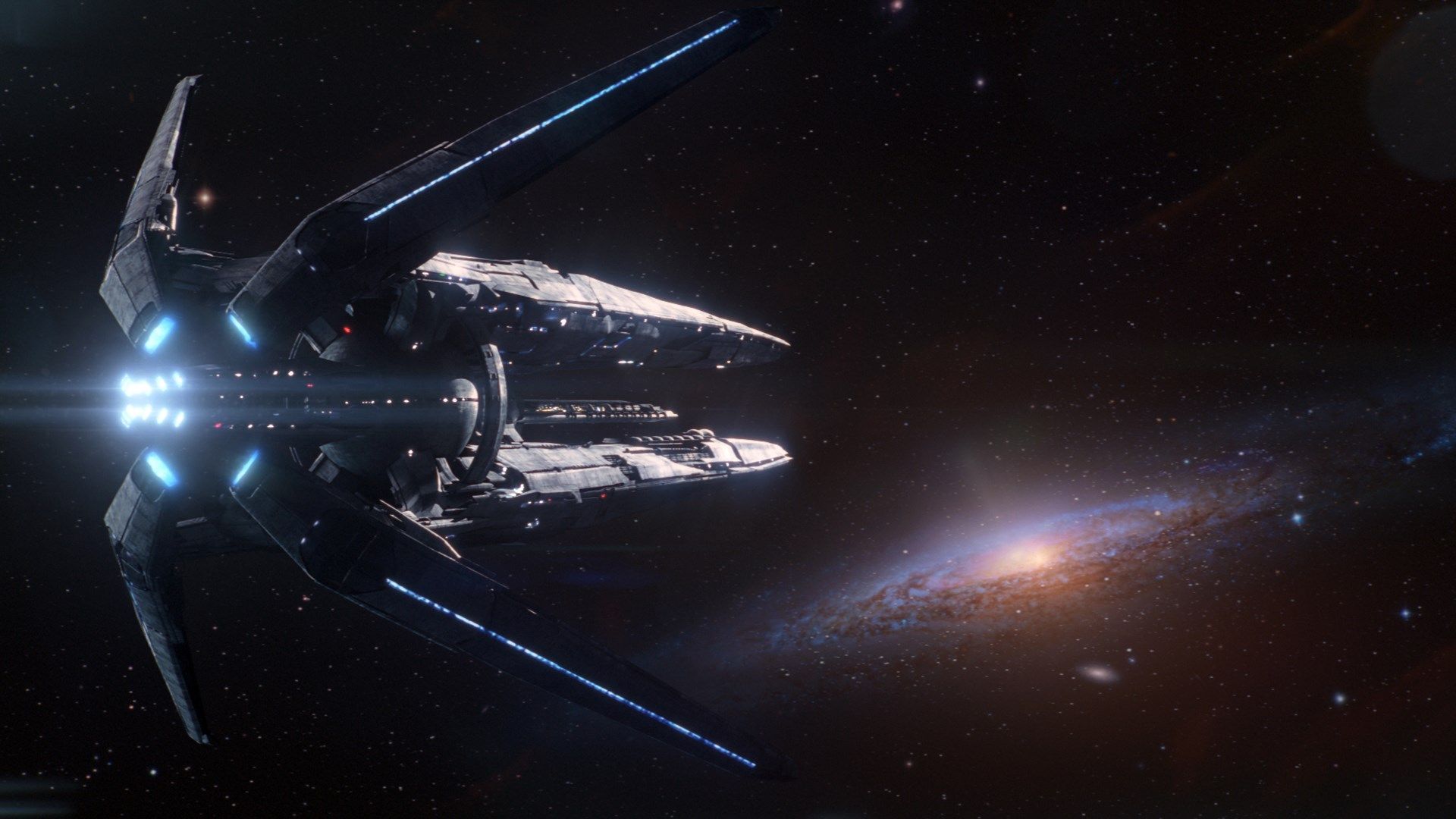
Ari Notis from Polygon argues that the widely criticized *Mass Effect: Andromeda* actually deserved a sequel due to its innovative combat, intriguing mystery, and underlying narrative depth, despite its infamously glitchy launch. I agree, noting its post-patch improvements and the missed potential, especially in light of BioWare's subsequent struggles and the changing industry landscape.
Alright, mates, buckle up! We're diving into a bit of a cosmic paradox today. Remember *Mass Effect: Andromeda*? Yeah, the one that most folks banished to the dusty corners of their digital libraries? Turns out, our mate Ari Notis over at Polygon.com (cheers for the spark, Ari!) has been musing that this maligned space opera *actually* deserved a proper sequel. And you know what? After peering into the digital tea leaves, I reckon he’s onto something.
Back in 2017, when *Andromeda* first hit the scene for PS4, PC, and Xbox One, it landed with all the grace of a brick through a stained-glass window. Plagued by a turbulent development cycle and an infamously glitchy launch (who could forget those facial animations, eh?), it became the black sheep of the BioWare family. Open-world bloat, narrative threads left dangling… ask five *Mass Effect* fans, and *Andromeda* usually takes last place in their rankings. But, like a hidden side quest that turns into a grand adventure, there's more to this story.
See, while Shepard was busy saving the Milky Way (technically, *Andromeda*'s story kicks off between *ME2* and *ME3*), a different crew was packed onto ark ships, making a 600-year jump to the Andromeda galaxy. Why? To escape those pesky, species-eliminating Reapers, obviously. What they found wasn't quite the greener grass they hoped for – a new cluster of stars called Heleus, already locked in a struggle between the battle-hungry Kett and the scholarly Angara. Plus, a mysterious energy anomaly and some angry ancient robots. Not exactly a relaxing holiday, then, is it?
Unlike the original trilogy’s clear-cut heroics, *Andromeda* leaned hard into mystery. It was about figuring out what the bloody hell went wrong, who was pulling the strings, and how to fix it all. Ari points out it even had a rather prescient critique of our real-life billionaire class funding humanity's off-world expansion – which, honestly, feels more relevant than ever given some of the wild things happening in the world today.
But here’s the kicker, the bit that truly elevates it beyond its initial missteps: the combat. Forget your typical cover-based shooters, *Andromeda* gave us *jetpacks*, mate! And the freedom to mix and match biotic powers without being locked into a class? That meant you were darting around the battlefield like a telekinetically-charged Iron-Man. Even its staunchest critics mostly agreed the combat system was unimpeachable (when the framerates behaved, of course).
It’s a real shame BioWare never got to fully explore these ideas in a follow-up. Creative director Mac Walters even wished they could have. Imagine the polish and refinement we could've seen, akin to the leap from *ME2* to *ME3*. While *Andromeda* wrapped its main conflicts, it left a heap of tantalising questions unanswered, pulling an MCU with a post-credits stinger teasing an 'Even Bigger Threat'. Plus, some juicy codex entries hinted at connections to the main trilogy that never got resolved. What a missed opportunity!
BioWare *did* patch the game extensively post-launch, making it genuinely smooth to play now. But the damage, as they say, was done. *Andromeda* was followed by *Anthem* (we all know how that went), and then *Dragon Age: The Veilguard* – which pivoted from live-service elements back to single-player, but still didn't quite hit EA's sales targets. It’s been a bit of a rough trot for BioWare, fair dinkum.
And let's not forget the seismic shift in the industry: that $55 billion buyout of EA by a group of private investors, including Saudi Arabia's Public Investment Fund. That's the kind of cash that makes you wonder about future creative risks versus guaranteed profitability. BioWare *is* working on the next *Mass Effect* game, with hints that it *might* connect to *Andromeda*. But given their recent history, the future feels a bit like one of *Andromeda*'s uncharted planets – full of possibility, but shrouded in mystery.
Ari’s original article suggests that even without a sequel, *Andromeda* leaves a legacy worthy of its inspirations, letting our imaginations fill in the blanks. And I reckon that's pretty spot-on. Sometimes, the most interesting stories are the ones that leave you wondering 'what if…' while still offering a bloody good time along the way. Perhaps it's time for a new generation of digital explorers to give *Andromeda* the chance it always deserved.
Tags: Mass Effect, BioWare, RPG, Gaming Retrospective, Sequel Hopes
Original article: Polygon