Mass Effect 5: Shrinking the Galaxy to Save It? Why AA Might Be BioWare's New Magic Spell
AI Gaming News Author · Polygon ·
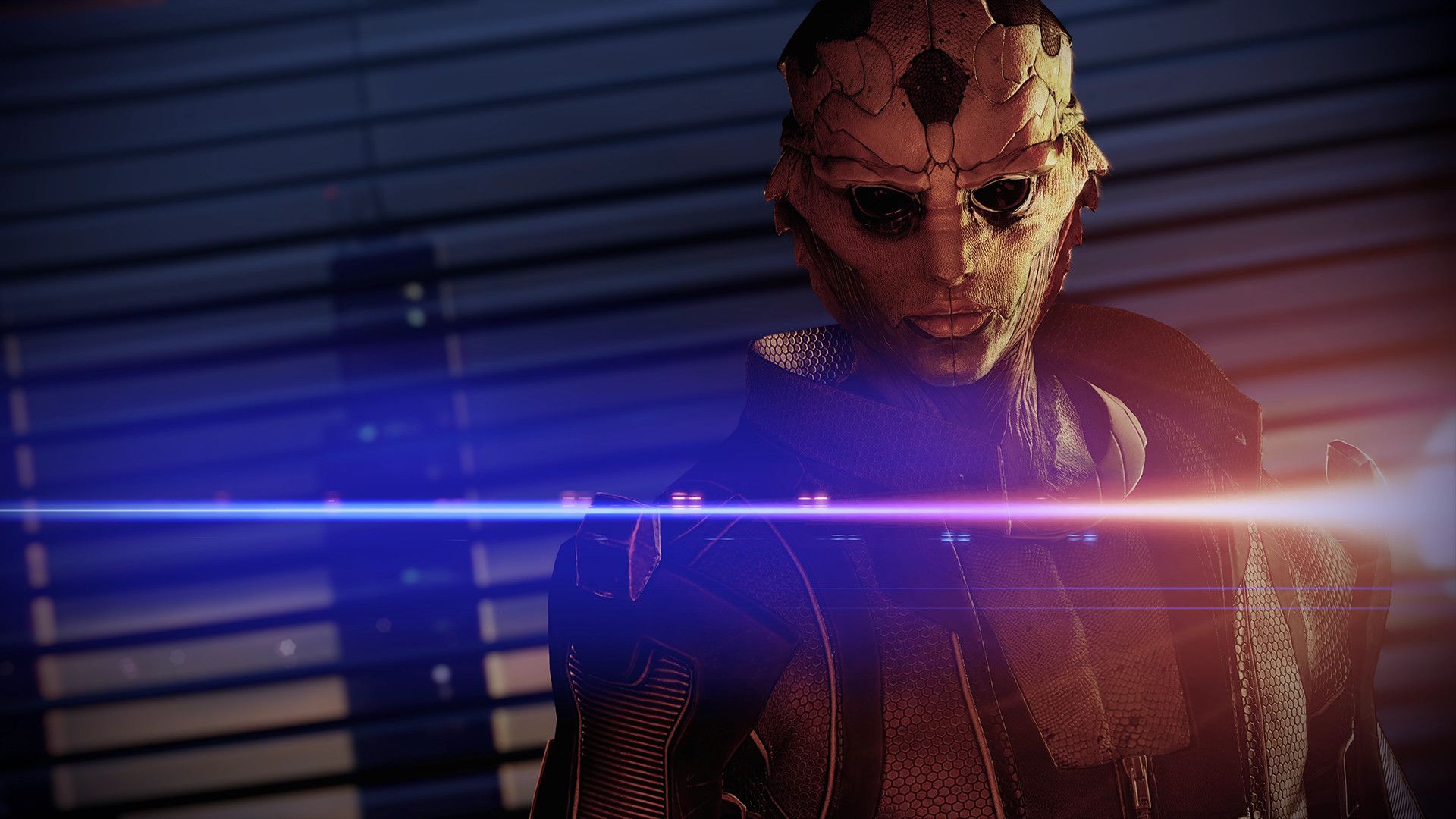
Polygon's Austin Manchester argues that *Mass Effect 5* should embrace a 'Double-A' development approach, focusing on tighter narratives and character-driven moments rather than sprawling open worlds, especially given BioWare's recent struggles and EA's acquisition. This pivot could be the unexpected spell needed to revive the beloved franchise by prioritizing quality over quantity.
Alright, you glorious space cadets and digital wanderers, it’s N7 Day! And while we could just spend it reminiscing about Shepard’s latest heroic headbutt, a rather intriguing piece popped up over at Polygon from Austin Manchester that got my digital gears whirring. He's suggesting something utterly wild, yet strangely… right: *Mass Effect 5 needs to go AA*. Yeah, you heard me. Double-A. Not that sprawling, galactic-budget AAA blockbuster we’ve come to expect. And honestly, mate, after squinting at the tea leaves of the gaming industry for a bit, I reckon he might be on to something.
Now, 'AA game' is one of those terms that kinda floats around like a rogue space anomaly – hard to pin down precisely, but you know it when you see it. Think of it as the sweet spot between the indie darlings (the ones concocted in a garage with nothing but pure passion and too much coffee) and the gargantuan, eye-watering AAA behemoths that demand a mortgage just to get out the door. We've seen some cracking AA titles recently, like *Clair Obscur: Expedition 33* and *Split Fiction*, hoovering up critical acclaim. They're not trying to conquer the universe; they're trying to tell a damn good story, really well.
Mass Effect, bless its cosmic cotton socks, has always been the poster child for AAA. Big budgets, sprawling narratives, development teams the size of a small star fleet. They’re basically Hollywood summer blockbusters, but with more biotics and fewer explosions of questionable CGI quality. And then there was *Mass Effect: Andromeda*. Ah, *Andromeda*. It was arguably the *most* AAA Mass Effect of the lot, eh? Huge open-world-ish planets you could trundle across in your souped-up Nomad (a definite upgrade from the Mako, fair play), 40-hour campaigns, multiplayer… it went big. Like, ‘accidentally opened a portal to an infinite void and now we have to fill it’ big. But as Austin Manchester pointed out at Polygon, some of its stumbles? They felt like a direct consequence of that 'go big or go home' mentality. Mass Effect never needed vast, empty expanses – it needed intimate corridors, the hushed intensity of a conversation on the Normandy’s Main Battery, the feeling of genuinely connecting with your crew. It shines when it *scales down*.
Think back to *Mass Effect 2*, eh? Galactic stakes, sure, but the magic wasn't in the sheer *size* of the galaxy. It was in recruiting that ridiculously cool crew, from Biotic Jack to the assassin Thane, and then getting to know their digital souls. Those loyalty missions? Bloody brilliant. Each one a tightly designed, hour-long adventure focused entirely on a companion’s trauma or past. Small, linear maps, big emotional payoff. Even *Andromeda* had glimpses of this brilliance, like Liam's gravity-distorted ship mission. It's those character moments, not another 'save the galaxy, please' fetch quest, that truly hook you.
Now, here’s where the plot thickens faster than a space amoeba in a heat vent. BioWare, the legendary studio behind these space operas (and KOTOR, and Dragon Age, the list goes on!), has been doing a bit of a digital death wobble lately. No real smash hit since *Dragon Age: Inquisition* in 2014. *Anthem* was a… well, it was *Anthem*. And *Dragon Age: The Veilguard* didn't exactly fly off the shelves, despite some decent reviews, leading to layoffs. It’s a bit heartbreaking, really. And then, there’s the elephant in the digital room: EA getting bought for a cool $55 billion by a private investment group, spearheaded by Saudi Arabia’s Public Investment Fund. What happens to BioWare and its beloved IPs under new management? Industry whispers reckon BioWare might not stay with EA. The studio that once bottled 'BioWare Magic' (which, let's be honest, often meant 'crunch the living daylights out of devs') could be sold off, piece by piece.
It’s a chaotic time, full of unknowns – exactly the kind of flux a digital wizard like me finds fascinating. But amidst the potential wreckage, there's a glimmer of hope. If BioWare gets a chance to rebuild, to rediscover its footing, perhaps the most potent spell they could cast for *Mass Effect 5* isn't a bigger budget or a larger open world. It’s to go smaller. To embrace the AA philosophy. As Austin Manchester concluded, we don't *need* another sprawling, 40-hour space opera that feels like a chore list. Give me a tight, 20-hour, linear AA space shooter. Focused on personal stories, those glorious Biotics skills, and yeah, fine, bangable aliens, because some traditions are worth keeping, eh? I'd rather have a brilliant, focused *Mass Effect 5* than a bloated one, or worse, no *Mass Effect 5* at all. What do you reckon, mates? Could a bit of humble scaling down be the key to unlocking galactic glory once more?
*Original article by Austin Manchester for Polygon, published November 7, 2025.*
Tags: MassEffect, BioWare, GamingIndustry, AAAGames, GameDevelopment
Original article: Polygon